Are you prepared to embrace the new possibilities that 2026 brings? The landscape of education is evolving quickly, and your institute stands ready to help you stay ahead of the curve.
This guide is designed to show how your institute can open doors to future-ready skills, professional growth, and valuable networks for both individuals and organisations.
Discover the latest trends in institute development, new qualification pathways, digital transformation, and industry partnerships. Learn practical steps to maximise your institute experience and make the most of every opportunity.
The Evolving Role of Institutes in 2026
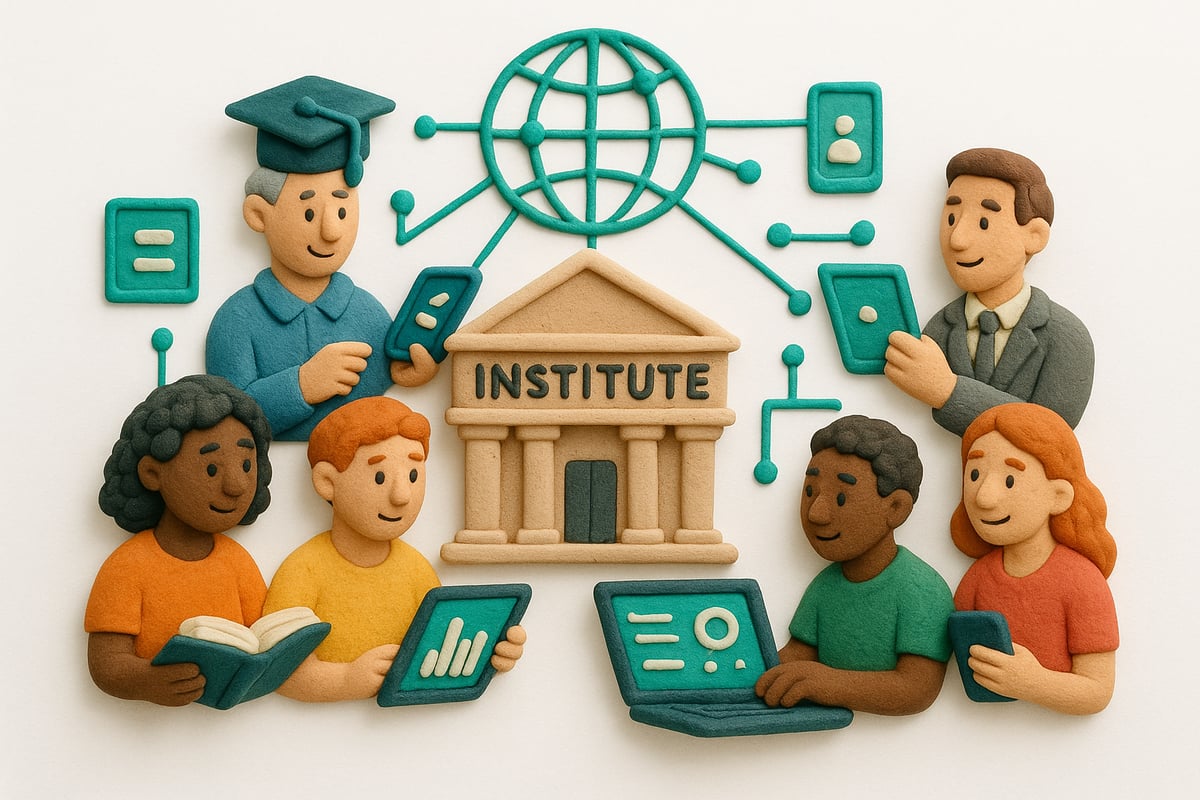
The educational landscape in 2026 is rapidly transforming, and your institute is at the forefront of these changes. Institutes are evolving to meet the shifting demands of students, professionals, and employers. Flexible learning, new qualification frameworks, and digital advancements are shaping how institutes deliver value.
The Changing Educational Landscape
By 2026, the need for flexible, lifelong learning is stronger than ever. Your institute is responding by expanding micro-credentials, short courses, and hybrid learning models. Statistics from PublicFinance (2025) show that over 65% of professionals will need to upskill in digital literacy.
Institutes are updating their frameworks to support career-long learning. This shift ensures that learners can access new opportunities throughout their lives. If you are seeking new pathways, you can explore institute study options to find flexible courses that align with your future ambitions. Your institute is committed to making education accessible and relevant.
Institutes as Career Companions
In 2026, your institute is more than a place of study. Institutes are now acting as lifelong career companions, offering personalised career mapping tools and ongoing professional support. For instance, CIPFA’s digital self-assessment platform helps members identify strengths and areas for development.
Data shows that 72% of learners want continuous career support from their institute. By leveraging your institute’s CPD and advisory services, you can design a tailored career path. This approach ensures you receive practical guidance, relevant skills, and support at every stage of your journey.
Legal and Regulatory Developments
Legal and regulatory frameworks are evolving to maintain high standards in education. Your institute must comply with updated accreditation systems like Qualiopi and NZQA, as well as new regulatory frameworks such as NAF 2025.
These standards protect both students and institutes, ensuring trust and transparency. For example, your institute’s adherence to national quality standards demonstrates commitment to excellence. Staying informed about these developments helps you make confident decisions about your educational future.
Expanding Institute Networks and Influence
Global partnerships, mergers, and collaborations are increasing the reach of your institute. By 2026, 60% of institutes plan to expand their international networks. This results in greater recognition and mobility for your qualifications.
Growing alumni and professional communities offer you more opportunities for networking and mentorship. Institutes like CIPFA and ICAEW are joining forces, strengthening their influence in the sector. Your institute’s expanding network means you benefit from a broader, more connected professional landscape.
The Rise of Industry-Focused Institutes
Specialisation is a defining trend for your institute in 2026. Institutes are focusing on sectors such as finance, AI, and compliance, aligning their curricula with current workforce demands.
For example, targeted training programmes in financial services and technology are becoming more prevalent. This sector-specific approach increases your employability and ensures you are industry-ready. Your institute’s dedication to relevant, practical education positions you for success in a competitive job market.
Pathways to Success: Qualifications and Accreditation
Unlocking the right qualifications is key to making the most of your institute experience. In 2026, the pathways you choose can define your career prospects, flexibility, and recognition. Let us explore how your institute can guide you through national and international frameworks, emerging fields, flexible study, quality assurance, industry alignment, and personalised learning options.
Understanding National and International Qualifications
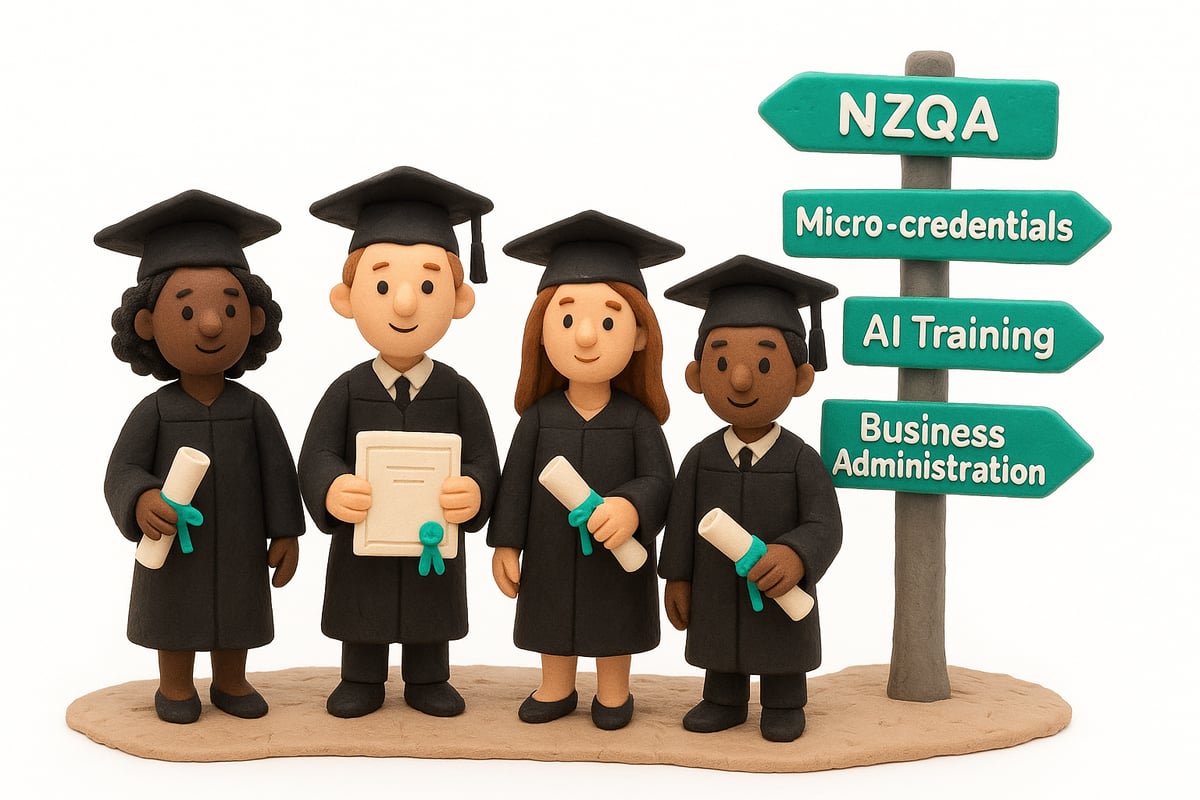
Navigating the world of qualifications can be complex, but your institute offers expert guidance. National frameworks such as NZQA, INSEE, and INPI define standards for certificates, diplomas, and micro-credentials. Internationally, these benchmarks help ensure your achievements are recognised across borders.
| Type | Duration | Recognition | Purpose |
|---|---|---|---|
| Certificate | 6-12 months | National/International | Foundation skills |
| Diploma | 1-2 years | Widely recognised | Advanced, specialised skills |
| Micro-credential | Weeks to months | Growing employer value | Targeted, rapid upskilling |
Achieving accreditation from bodies like NZQA boosts your institute’s credibility and your own career progression.
Emerging Fields and Specialised Training
The landscape is shifting rapidly, with your institute introducing new courses to meet industry demands. Sectors like artificial intelligence, educational technology, and compliance are experiencing a surge in enrolments, with AI-related courses up by 40 percent since 2024.
Your institute now offers micro-credentials in AI and digital transformation, ensuring you gain skills that are relevant and future-proof. These specialised pathways open doors to roles that did not exist just a few years ago.
Flexible and Blended Learning Options
Flexibility is central to your institute’s approach in 2026. You can now choose from on-campus, online, or hybrid formats to fit your lifestyle. Modular, self-paced courses make it easier for working professionals and diverse learners to participate fully.
Data shows that 55 percent of learners prefer blended learning to traditional models. With your institute’s flexible delivery, you can pursue education without sacrificing your other commitments.
Quality Assurance and Compliance
Quality matters more than ever, and your institute upholds the highest standards. Accreditation from Qualiopi, NZQA, and similar bodies ensures your learning meets rigorous benchmarks. Regular audits and continuous improvement processes keep your qualifications respected and relevant.
Institutes with top-tier accreditation see 30 percent higher student satisfaction. By choosing your institute, you gain confidence in the value and recognition of your qualifications.
Industry-Relevant Qualifications
Employers increasingly value qualifications aligned with real workforce needs. Your institute works closely with industry partners to co-design curricula, keeping content current and practical. For example, business administration qualifications are tailored to match the expectations of modern employers, as detailed in the Business administration qualifications page.
Eighty percent of employers now prefer candidates with industry-certified credentials. Your institute’s commitment to workplace safety, compliance, and sector-specific training ensures you stand out in the job market.
Personalised Learning Pathways
Personalisation is transforming the way you learn at your institute. Customisable study plans and modular qualifications let you mix and match subjects to suit your career goals. Digital tools help you track your progress and outcomes with ease.
- Tailored course selection
- Progress monitoring via digital dashboards
- Flexibility to adapt your pathway as your ambitions evolve
With your institute’s support, you can create an educational journey that is as unique as your aspirations.
Digital Transformation: Technology and Learning in 2026
The digital revolution is reshaping every aspect of education. As 2026 approaches, your institute stands at the forefront of this transformation, offering learners an enriched, flexible, and connected experience. Technology is not just a tool; it is a bridge to opportunity, innovation, and lifelong success.
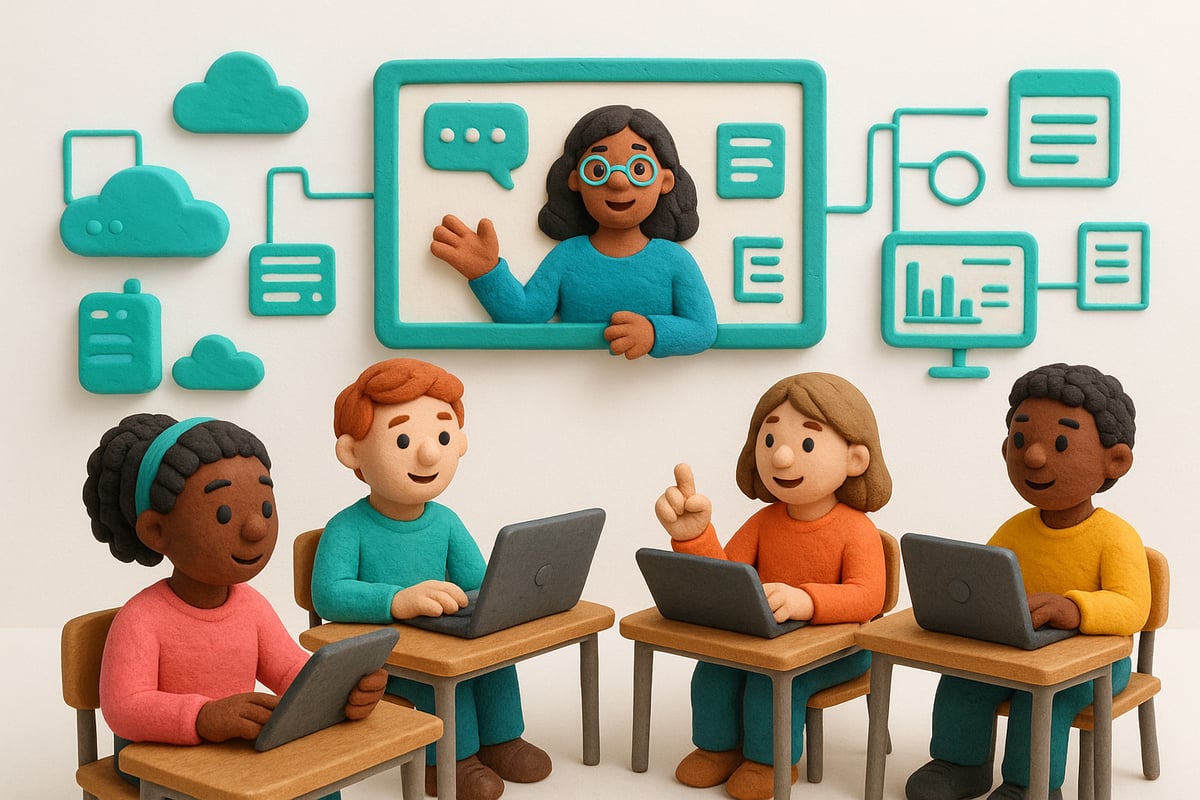
The Digital Campus Experience
Your institute is redefining the learning environment with immersive digital campuses. Virtual classrooms, advanced learning management systems, and interactive resources are now standard. Students enjoy seamless integration of study materials, schedules, and communication tools, all accessible from any device.
Key features of a digital campus include:
- Secure online enrolment and support
- Personalised dashboards and notifications
- Real-time collaboration spaces
According to recent data, 68 percent of institutes offer fully digital enrolment and support. This transformation ensures your institute provides flexible access and a modern, engaging experience for all learners.
Artificial Intelligence and Adaptive Learning
Artificial intelligence is powering a new era of personalised education. At your institute, AI-driven platforms tailor content to individual learning needs, adapting in real time to maximise progress. Analytics track student performance and offer actionable insights to both learners and educators.
Institutes now leverage AI for:
- Personalised skills assessments
- Dynamic content recommendations
- Early identification of learning gaps
AI adoption in education has increased by 45 percent since 2023. For a deeper look at these trends, explore the OECD Digital Education Outlook 2026, which highlights the impact of generative AI on your institute’s future.
Micro-Credentials and Modular Learning
The demand for rapid upskilling is driving the popularity of micro-credentials at your institute. These bite-sized courses allow learners to gain targeted expertise in weeks rather than years. Modular learning pathways provide flexibility, letting students stack micro-credentials towards larger qualifications.
Benefits for learners include:
- Fast, focused skill acquisition
- Recognised certificates for specific competencies
- Ability to customise educational journeys
Fifty percent of professionals plan to pursue micro-credentials in 2026. Your institute’s commitment to modular learning means you can respond quickly to industry changes and career opportunities.
Online Collaboration and Networking
Collaboration is at the heart of digital transformation. Your institute fosters vibrant online communities where students connect, share knowledge, and grow professionally. Virtual networking opportunities break down geographical barriers, enabling global participation.
Key elements include:
- Peer-to-peer learning groups
- Digital mentoring programmes
- Online events and webinars
Seventy percent of students now participate in online networking activities. By engaging with these platforms, you expand your professional network and enhance your institute experience.
Secure and Accessible Learning Platforms
Security and accessibility are non-negotiable in the digital age. Your institute prioritises robust data protection, ensuring that student information remains private. Accessibility features, such as screen readers and adaptable interfaces, empower diverse learners.
Core platform features:
- Multi-factor authentication
- Compliance with international accessibility standards
- Regular cybersecurity audits
Ninety percent of institutes now focus on secure digital infrastructure. This commitment means your institute is a safe, inclusive space for all.
The Future of Assessment and Recognition
Assessment methods are evolving rapidly. Your institute is pioneering digital badges, blockchain certificates, and e-portfolios, making it easy to verify and showcase achievements worldwide. Automated assessment tools deliver instant feedback, supporting continuous improvement.
Innovative assessment formats include:
- Blockchain-based qualification verification
- Digital badges for specific skills
- Real-time, adaptive testing
Thirty-five percent of institutes plan to implement blockchain credentials by 2026. This ensures your institute’s qualifications are future-proof and globally recognised.
Maximising Institute Opportunities: A Step-by-Step Guide
Are you ready to make the most of your institute experience in 2026? With the educational landscape evolving rapidly, following a structured approach is crucial for unlocking every opportunity. This step-by-step guide empowers you to navigate your institute journey, ensuring you gain future-ready skills, professional connections, and career advancement. By applying these practical steps, you can transform your institute involvement into a launchpad for personal and professional growth.
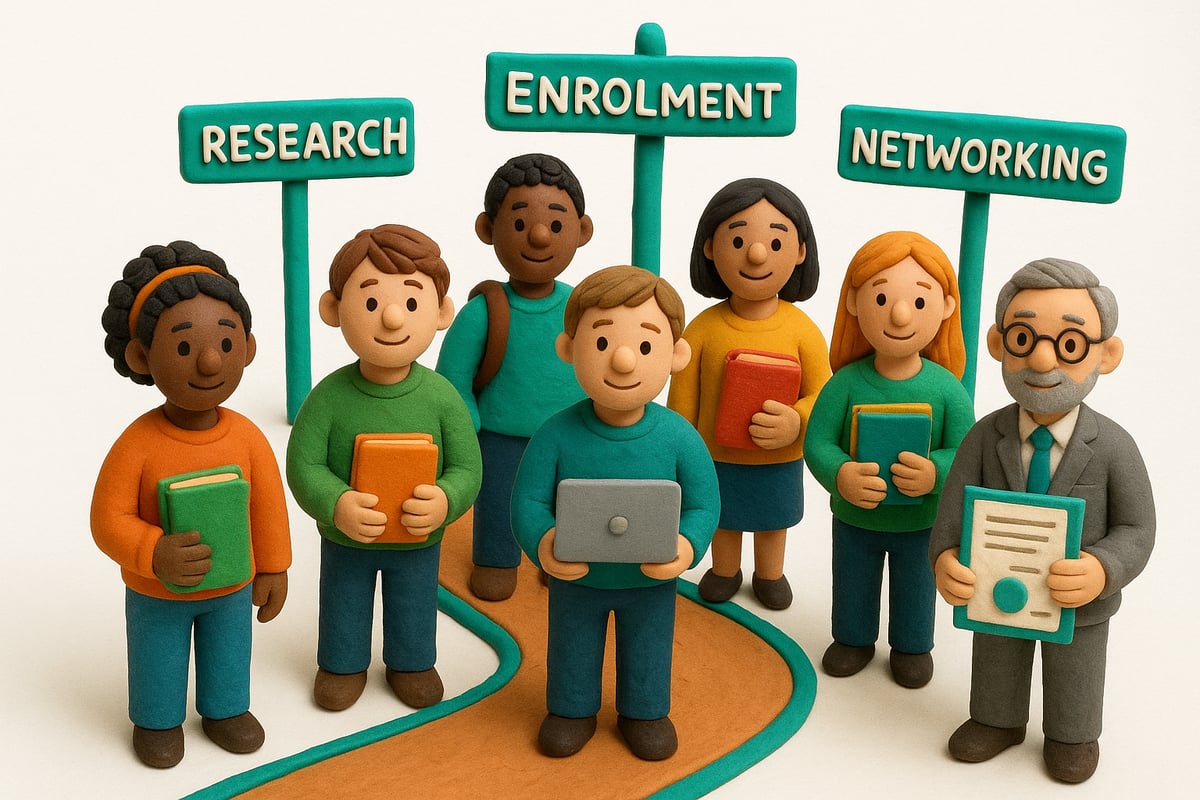
Step 1: Research and Selection
The foundation of success at your institute begins with thorough research and careful selection. Identify institutes that align with your career ambitions and values. Scrutinise their accreditation status, course offerings, and delivery modes to ensure they meet your needs.
Compare rankings, read student reviews, and examine graduate outcomes. Create a shortlist, focusing on how your institute’s strengths match your goals. Remember, 60 percent of applicants now evaluate at least three institutes before enrolling, demonstrating the importance of informed decision-making.
Step 2: Application and Enrolment
Once you have chosen your institute, the next step is navigating the application and enrolment process. Understand entry requirements, gather supporting documents, and pay attention to deadlines.
Many institutes now offer streamlined digital applications, making the process more accessible. With 80 percent of applications submitted online, your institute may provide guidance and FAQs to support you. Take advantage of digital checklists to ensure a smooth and stress-free enrolment experience.
Step 3: Customising Your Learning Path
Personalisation is key in 2026. Your institute will likely offer a range of courses, electives, and specialisations designed to suit a variety of career paths. Leverage academic advising and digital self-assessment tools to build a study plan tailored to your ambitions.
For those interested in emerging technologies, consider exploring AI in education fundamentals to enhance your digital skillset. With 75 percent of students now using personalised learning plans, your institute empowers you to take charge of your educational journey.
Step 4: Engaging with Support Services
Maximise your institute experience by making full use of support services. These may include tutoring, mentoring, and wellbeing resources, all designed to keep you on track.
Participate in orientation programmes and join online communities for peer support. Institutes offering 24/7 online help and interactive platforms see a 25 percent increase in student retention. By engaging with these services, you strengthen your connection to your institute and boost your chances of success.
Step 5: Building Professional Networks
Your institute is more than just a place to learn; it’s a gateway to professional connections. Join student societies, industry groups, and alumni associations to expand your network.
Attend institute-hosted events, workshops, and employer networking sessions. Institutes that foster strong networks see 65 percent of graduates attribute their job success to these connections. By participating actively, you position yourself at the centre of industry opportunities.
Step 6: Leveraging Career Development Resources
Finally, make the most of your institute’s career development resources. Utilise career centres, job boards, and placement services to find employment and upskilling opportunities.
Access CPD tracking and digital career mapping to plan your long-term growth. Institutes with robust career support see 40 percent higher graduate employment rates. By using these tools, your institute becomes a lifelong partner in your professional journey.
Institute Partnerships and Industry Connections
In 2026, your institute is positioned at the centre of a dynamic network, connecting education with industry, community, and global opportunity. These partnerships shape the real-world relevance and value of your institute for every learner.
Collaborating with Industry for Real-World Skills
Your institute strengthens the bridge between education and employment by forming active partnerships with leading employers. Together, they co-design curricula, ensuring students gain skills that directly align with market needs.
Examples of collaboration include:
- Industry-led internships and apprenticeships
- Joint live projects for hands-on experience
- Curriculum shaped by employer feedback
For those pursuing careers in finance or technology, Financial services training programmes illustrate how your institute delivers sector-focused learning. Data shows that 70% of institutes now have formal industry partnerships, offering a clear pathway to workplace success.
Expanding Global Opportunities
Your institute empowers students to cross borders, both physically and virtually. International student exchanges and dual qualification programmes are increasingly common, opening doors to global experiences.
Key features include:
- Cross-border alliances for mutual qualification recognition
- Institutes with campuses or partnerships in multiple countries
- Support for international placements and collaborations
With 30% of students participating in global programmes, your institute enables graduates to compete in an interconnected world. These experiences build cultural fluency and professional versatility, setting your institute apart on the global stage.
Supporting Workforce Development
Your institute has become a vital resource for upskilling and reskilling the modern workforce. Tailored training solutions help organisations and professionals stay ahead in a rapidly changing landscape.
Workforce development support includes:
- Custom corporate training programmes
- Professional development workshops
- Courses in workplace safety and compliance
Sixty-five percent of employers now rely on your institute for staff development. By responding to real-time industry demands, your institute ensures learning stays relevant and impactful for both individuals and organisations.
Community Engagement and Social Impact
Your institute extends its reach far beyond the classroom, taking an active role in local and regional development. Community programmes foster diversity, inclusion, and cultural understanding.
Examples of community engagement:
- Outreach and training in cultural competency, such as Tikanga Māori
- Health and wellbeing initiatives
- Programmes for underrepresented groups
With 40% of institutes running community-focused projects, your institute demonstrates a commitment to social responsibility. These initiatives help build stronger, more inclusive communities while enhancing the personal growth of every learner.
Accreditation and Employer Recognition
Recognition from industry bodies and accreditation agencies is essential for your institute. Accredited qualifications are a hallmark of quality and boost employability for graduates.
Key aspects include:
- Achieving standards like Qualiopi or equivalent
- Ongoing collaboration with employers for mutual qualification recognition
- Maintaining rigorous quality assurance processes
Ninety percent of employers prefer candidates from accredited institutes, underscoring the importance of your institute's commitment to recognised standards. This focus on quality ensures that your institute's graduates are highly valued in the job market.
The Future of Your Institute: Trends and Predictions for 2026
The future is arriving fast, and your institute is set to play a vital role in shaping tomorrow’s opportunities. As we look ahead to 2026, emerging trends will redefine learning, career development, and professional communities. Let’s explore how your institute is evolving to help you thrive in a rapidly changing world.
The Rise of Lifelong Learning
In 2026, lifelong learning is no longer a buzzword, but a necessity. Your institute is responding by expanding flexible learning options and supporting ongoing professional growth. With 80% of adults expecting to retrain at least once in their careers, institutes are investing in modular courses, on-demand resources, and continuous professional development (CPD).
AI is making a significant impact in this space, enabling personalised learning journeys that adapt to your needs and pace. Initiatives like Digital Lifelong Learning in the Age of AI demonstrate how institutes are integrating advanced technologies to keep knowledge current and relevant.
By embracing lifelong learning, your institute empowers you to stay competitive and resilient, no matter how the job market evolves.
Personalisation and Student-Centric Models
Personalisation is at the heart of your institute’s strategy for 2026. Institutes are leveraging AI and data analytics to tailor learning experiences, support diverse goals, and accommodate different learning styles.
Through customisable modules and pathways, your institute allows you to build a study plan that aligns with your ambitions. As 60% of institutes invest in personalised learning technology, you can expect more guidance, timely feedback, and a curriculum that grows with you.
This student-centric approach ensures that your institute remains responsive and relevant, fostering a sense of ownership and engagement in your educational journey.
Expanding Access and Inclusivity
Access and inclusivity are top priorities for your institute. Removing barriers for underrepresented groups is driving a 50% increase in enrolment from minority communities since 2023. Flexible learning, scholarships, and remote access are making education more attainable for all.
National programmes such as the Connected Schools Programme illustrate how institutes are enhancing digital competencies and supporting inclusion on a broad scale.
By prioritising accessibility and cultural relevance, your institute ensures that everyone has the chance to succeed, regardless of their background or circumstances.
Digital Credentials and Global Portability
Digital credentials are transforming how achievements are recognised and shared. Your institute is adopting blockchain verification, digital badges, and e-certificates to make qualifications more portable and secure.
With 45% of graduates using digital credentials for international roles, institutes are facilitating global mobility and recognition of skills. This modern approach means your institute can support your ambitions wherever your career takes you.
Digital certification streamlines recruitment and enables employers to verify your achievements instantly, adding value for both learners and organisations.
Strengthening Professional Communities
Community is a cornerstone of your institute’s future vision. Institutes are building robust alumni networks, hosting online forums, and supporting professional associations.
These communities foster collaboration, peer learning, and mentorship long after graduation. With 70% of professionals engaging in institute-led groups, you can leverage your institute’s network to access opportunities, share experiences, and stay connected to industry trends.
Your institute’s commitment to community ensures that learning and professional growth continue throughout your career.
Future-Proofing Through Innovation
Innovation is driving your institute to invest in emerging technologies and new teaching methods. Research in virtual reality, augmented reality, and immersive learning is enhancing both engagement and skill development.
Pilot programmes, such as virtual internships and labs, are giving students hands-on experience with cutting-edge tools. With 35% of institutes planning to launch innovation hubs by 2026, your institute is preparing you for jobs that may not even exist yet.
By future-proofing its offerings, your institute positions you at the forefront of change, ready to embrace the challenges and opportunities of tomorrow.
As we’ve explored, unlocking opportunities in 2026 is all about choosing the right institute—one that’s flexible, industry-focused, and recognised for quality. Whether you’re aiming to upskill, pivot careers, or gain practical experience, Summit Institute offers accredited pathways designed for where you want to go next. Imagine yourself learning with expert support, building relevant skills, and connecting with a vibrant professional community across New Zealand. Ready to take the next step towards your future success? Let’s start your journey together—Get ahead now!