In 2026, understanding tikanga māori is more important than ever for anyone engaging with New Zealand’s rich and diverse communities. This essential guide will help you navigate the customs, values, and ongoing relevance of tikanga māori in modern society.
Discover where these traditions come from, their core principles, how they are practiced today, and ways to participate respectfully. As cultural competence grows in significance across education, business, and everyday life, learning about tikanga māori can help foster stronger relationships and greater social harmony.
If you want practical insights and real-world guidance, read on—each section offers tools to help you engage with respect and confidence.
Understanding Tikanga Māori: Origins and Evolution
Tikanga māori, at its core, refers to the customs, practices, and guiding principles that shape Māori ways of living and interacting. The word "tikanga" is derived from "tika," meaning what is right or correct. This concept encompasses not only etiquette and protocol but also a broad system of values that influence relationships, behavior, and decision-making within Māori communities.
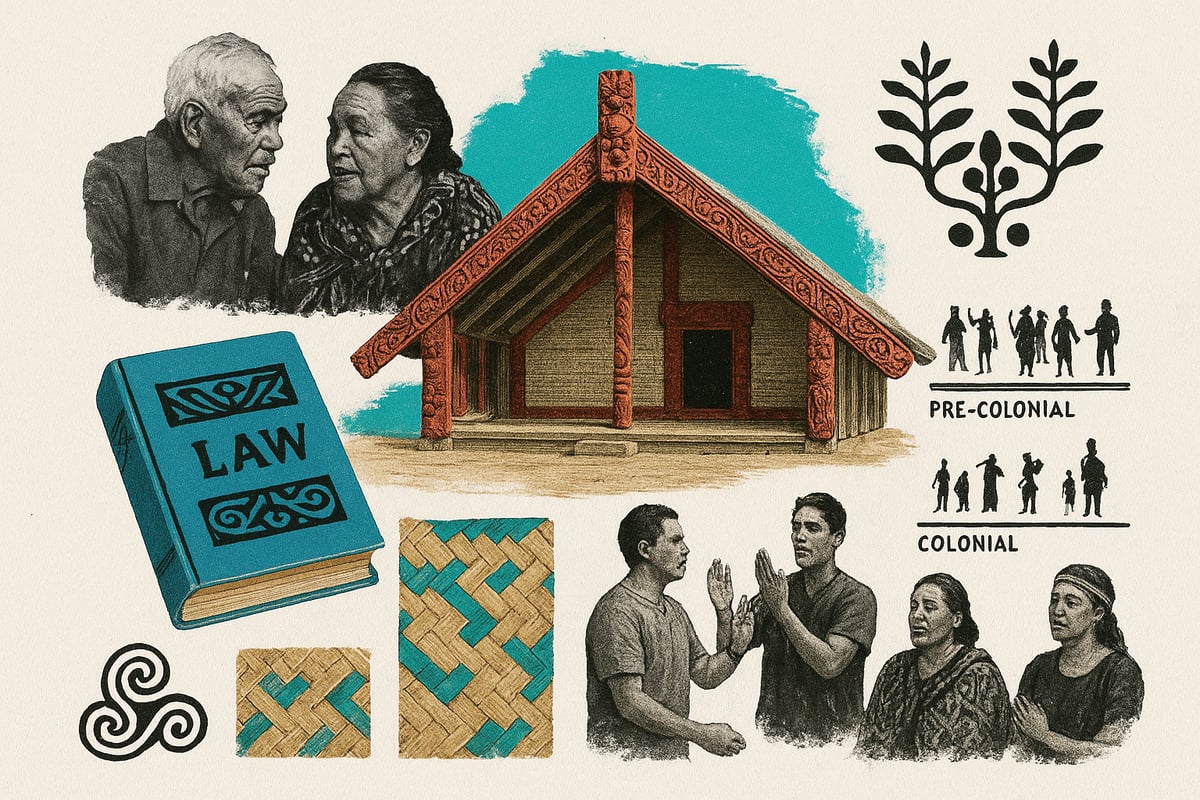
In pre-colonial times, tikanga māori provided the foundation for social order and governance. Māori society was organized around whānau (family), hapū (sub-tribe), and iwi (tribe), each guided by their own interpretations of tikanga. These customs determined leadership roles, dispute resolution, and day-to-day activities. Rituals such as pōwhiri (welcoming ceremonies) and tangihanga (funeral rites) were, and still are, deeply rooted in tikanga māori, ensuring respect for both the living and the ancestors.
The arrival of European settlers brought immense change. Tikanga māori faced suppression through colonization, yet it persisted by adapting to new realities. Despite the imposition of new laws and systems, Māori retained essential customs by blending them with introduced practices. The twentieth century saw a revival, with increased recognition of tikanga māori in both public and private spheres. This resurgence is evident in the growing use of te reo Māori, the language, and the return of traditional ceremonies in public life.
Today, tikanga māori holds a recognized place in New Zealand’s legal system. The Waitangi Tribunal regularly reviews the role of tikanga in both historical and contemporary disputes. Law schools across the country have begun integrating tikanga māori into their curricula, reflecting its importance for future legal professionals. For example, the University of Canterbury’s winning initiative bridges law and tikanga Māori by embedding these principles into legal education, preparing graduates to navigate a bicultural legal framework.
Oral tradition has been crucial in the survival and transmission of tikanga māori. Whakapapa, or genealogy, and storytelling connect generations, ensuring that knowledge passes from elders to youth. Early tikanga included not only rituals but also practical rules for resolving conflicts and maintaining balance within the community. Today, these traditions continue to evolve, demonstrating that tikanga māori is a living, adaptive system. Its resilience is seen in the increased inclusion of tikanga māori in government and educational settings since 2020, highlighting its relevance in modern Aotearoa.
| Aspect | Pre-Colonial Tikanga Māori | Modern Tikanga Māori |
|---|---|---|
| Social Structure | Whānau, hapū, iwi, elders’ authority | Community groups, legal recognition |
| Conflict Resolution | Customary protocols, utu, tapu | Mediation, restorative justice |
| Rituals | Pōwhiri, tangihanga, karakia | Public ceremonies, school events |
Tikanga māori is not static. It reflects the identity and aspirations of Māori, adapting to new challenges while remaining deeply connected to its origins. Understanding its evolution reveals not only the past but also the ongoing journey of Māori culture in Aotearoa.
Core Values of Tikanga Māori
Understanding the core values of tikanga māori is fundamental to appreciating its role in Aotearoa New Zealand. These values guide interactions, decisions, and community life, offering a blueprint for respectful and harmonious relationships. Whether you are a newcomer or a lifelong resident, grasping these principles helps you engage more meaningfully with others and with the land.
Mana: Authority, Power, and Respect
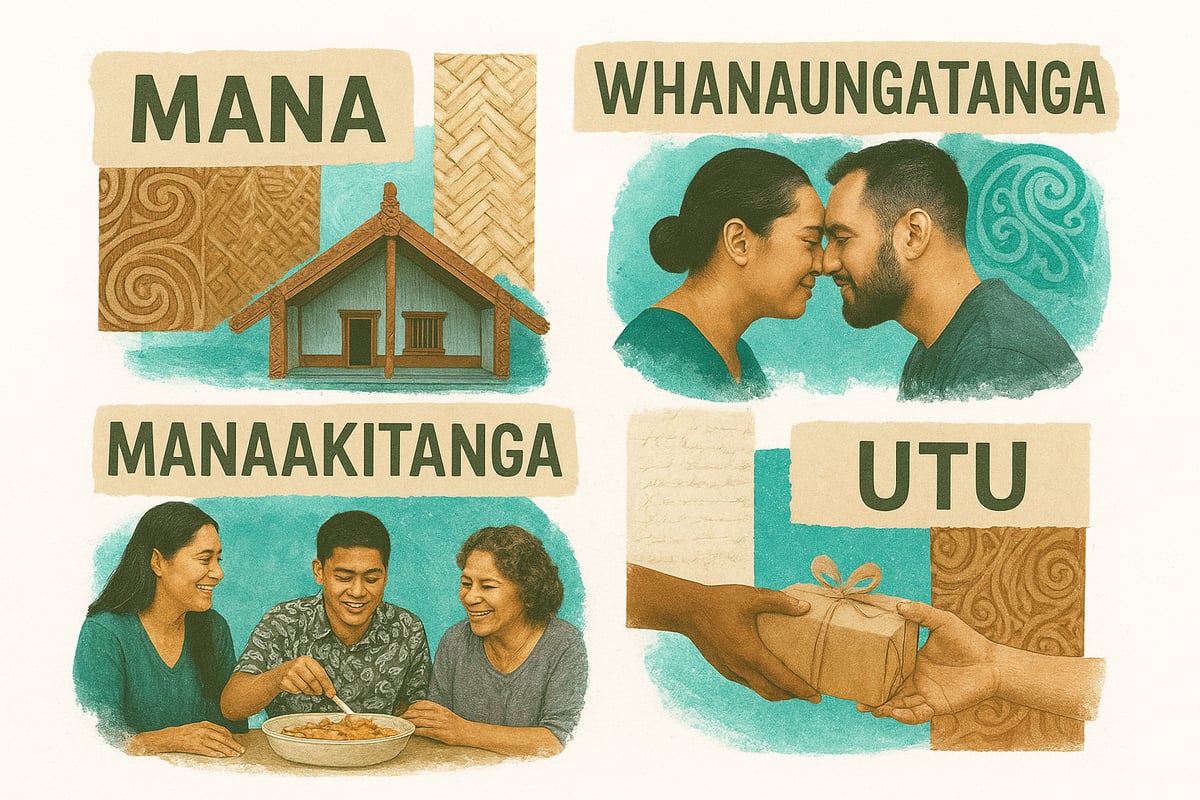
Mana is central to tikanga māori, representing a person’s authority, dignity, and spiritual power. It is both inherited through whakapapa (genealogy) and earned through actions and leadership. In daily life, mana is upheld by acting with integrity and respect, while careless or disrespectful behavior can diminish it.
On the marae, mana is visible during whaikōrero, where speakers represent not only themselves but their entire community. Their words carry weight, and their conduct reflects the collective mana of their people. Leaders with high mana are trusted to make decisions and resolve disputes, ensuring the wellbeing of all.
Mana is not static. It can change, grow, or decline based on one’s actions and the recognition of others. By understanding mana, individuals contribute to a balanced and respectful society, which is at the heart of tikanga māori.
Whanaungatanga: Relationships and Connectedness
Whanaungatanga refers to the importance of relationships and collective responsibility in tikanga māori. It encompasses kinship, friendship, and the bonds that unite communities. This value encourages people to look beyond themselves, fostering a sense of belonging and shared purpose.
In both family and workplace settings, whanaungatanga is visible when people welcome newcomers, support each other in times of need, or celebrate achievements together. For example, during bereavement, whānau and friends come together to offer support, ensuring no one faces hardship alone.
The foundation of Māori social structure rests upon whanaungatanga. It is through these relationships that tikanga māori is passed down and kept alive. Embracing this value helps build strong, resilient communities where everyone’s contributions are valued.
Manaakitanga: Hospitality and Care
Manaakitanga is the practice of hospitality, generosity, and care for others. In tikanga māori, this value shapes everyday interactions, from sharing food to providing a warm welcome to visitors. It is about uplifting others and ensuring their wellbeing.
During pōwhiri, manaakitanga is demonstrated through the preparation of food, the quality of hosting, and the respect shown to guests. These acts strengthen bonds between hosts and visitors, creating an environment of trust and goodwill.
Manaakitanga extends beyond formal occasions. In workplaces, schools, and homes, it is present in the way people support each other, listen, and share resources. When manaakitanga is practiced, social harmony and mutual respect flourish, reflecting the spirit of tikanga māori.
Utu: Reciprocity and Balance
Utu is the principle of reciprocity and restoring balance, a cornerstone of tikanga māori. It ensures that acts of kindness, support, or even wrongdoing are acknowledged and reciprocated, maintaining harmony within relationships.
Traditionally, utu guided conflict resolution, gift-giving, and exchanges between groups. If someone received help, they would later offer support in return. In modern contexts, utu still shapes business practices, community service, and personal relationships.
By upholding utu, individuals and groups work to maintain fairness and justice. This value is a powerful reminder that every action has consequences, and that balance is essential for the wellbeing of all. For those seeking to deepen their understanding, exploring study options for Māori culture can provide further insight into how tikanga māori values like utu continue to shape New Zealand society today.
Key Customs and Practices in Tikanga Māori
Tikanga māori is woven into the fabric of everyday life in Aotearoa, offering a living guide for respectful engagement and community belonging. Customs and practices are diverse, reflecting both deep tradition and modern adaptation. Understanding these key elements helps all who live, work, or visit New Zealand to build authentic connections and honor Māori values.
Marae Protocols: The Heart of Māori Custom
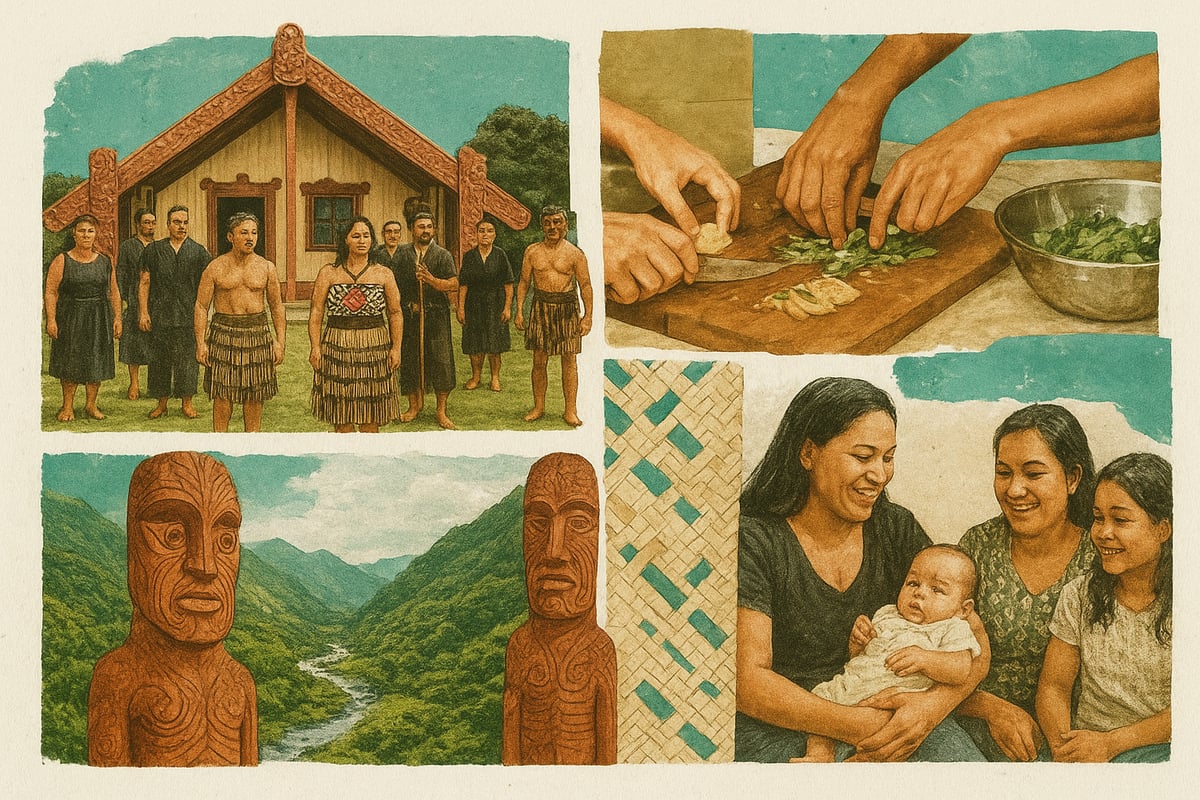
The marae is the cornerstone of tikanga māori, serving as a cultural, social, and spiritual hub for communities. Each marae is unique, but all share core protocols that guide how people gather, speak, and relate.
A typical pōwhiri, or welcoming ceremony, follows a structured sequence:
- Karanga: The ceremonial call by women, inviting guests onto the marae.
- Whaikōrero: Formal speeches by elders or designated speakers, acknowledging ancestors and intentions.
- Hongi: The pressing of noses, symbolizing shared breath and unity.
- Kai: Sharing food to lift tapu and transition to everyday interaction.
Tangihanga, or funeral rites, are another essential practice, reflecting the deep respect for ancestry and the collective expression of grief and support. Kaumatua (elders) lead proceedings, ensuring that tikanga māori is upheld and that each person's mana is honored.
With over 1,000 marae active across New Zealand as of 2026, these customs continue to thrive. For those new to these traditions, resources like the Information for new learners page offer practical guidance on engaging respectfully with marae protocols and other aspects of tikanga māori.
Tapu and Noa: Sacred and Ordinary
Tapu and noa are central concepts in tikanga māori, shaping how people interact with people, places, and objects. Tapu refers to what is sacred or restricted, while noa represents the ordinary or neutral state.
Certain spaces, such as marae grounds or urupā (burial grounds), are considered tapu, requiring specific behaviors like removing shoes or refraining from eating. Food preparation is usually kept separate from sacred spaces to avoid breaching tapu. Rituals, such as the sprinkling of water or sharing a meal, help return people and places to a state of noa.
These principles guide daily actions and help maintain harmony and respect in both traditional and modern settings. By following these practices, individuals show their understanding of tikanga māori and their commitment to community well-being.
Kaitiakitanga: Guardianship and Environmental Stewardship
Kaitiakitanga is a core value in tikanga māori, emphasizing guardianship and responsibility for the environment. Kaitiaki, or guardians, are entrusted with caring for land, waterways, and resources, ensuring sustainability for future generations.
Customary practices include seasonal harvesting, protection of sacred sites, and rituals acknowledging the mauri (life force) of all living things. Today, kaitiakitanga is reflected in Māori involvement in environmental policy, conservation projects, and co-management of natural resources.
This approach not only preserves the natural world but also strengthens community ties and identity. As the world seeks sustainable solutions, the principles of tikanga māori offer a valuable model for environmental stewardship and collective action.
Tikanga in Celebrations and Life Events
Tikanga māori gives structure and meaning to major life events, marking transitions with rituals and collective support. At births, naming ceremonies (tohi) are held, where elders bestow names that connect children to their whakapapa (genealogy) and ancestors.
Marriages are celebrated with speeches, songs, and the exchange of gifts, reinforcing bonds between families and communities. During tangihanga, the entire community gathers to mourn, support the bereaved, and uphold tikanga māori through song, oratory, and shared meals.
These customs reinforce the values of manaakitanga (hospitality), whanaungatanga (connectedness), and utu (reciprocity). By participating in these rituals, individuals honor their heritage and contribute to the ongoing vitality of tikanga māori in modern life.
Tikanga Māori in Contemporary New Zealand Society
Tikanga māori continues to shape the fabric of modern Aotearoa, weaving tradition and cultural values into the daily experiences of communities, institutions, and workplaces. Its influence is visible in education, law, public life, and business, reflecting a growing national commitment to cultural competence and respect.
Tikanga in Law, Education, and Public Life
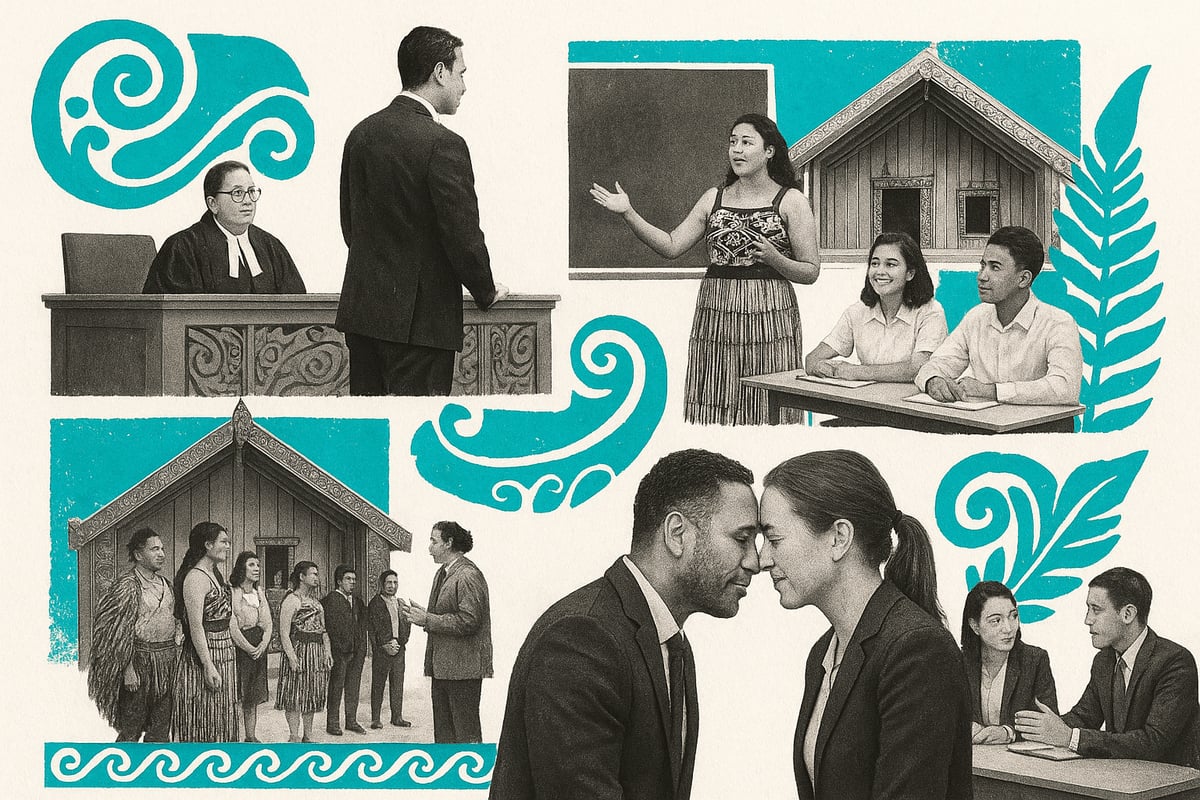
The presence of tikanga māori in New Zealand’s legal and public institutions has grown significantly over the past decade. Courts now recognize tikanga māori as an important source of values and principles, influencing protocols, dispute resolution, and even legislative developments. For example, recent reviews by the Waitangi Tribunal have highlighted the ongoing need to honor these traditions within the justice system.
In education, the integration of tikanga māori is now a defining feature. By 2026, data shows that 80% of schools include tikanga māori education, ensuring that students learn about local customs, language, and values from an early age. Tertiary institutions are also taking steps to embed these concepts in their programmes. One notable example is the incorporation of tikanga Māori into Law degree curricula at Victoria University of Wellington, which prepares future legal professionals for a bijural system.
Public life increasingly reflects tikanga māori through the use of karakia, waiata, and Māori protocols at official events. These practices foster a sense of inclusion and shared identity, helping to bridge cultural divides.
Tikanga and Free Speech: Rights and Responsibilities
Tikanga māori offers a unique perspective on freedom of speech, emphasizing the balance between individual rights and collective responsibilities. In traditional settings, such as the marae, whaikōrero (oratory) is guided by strict protocols that uphold mana and ensure respectful discourse. The process allows for robust debate, but always within the boundaries of mutual respect and community wellbeing.
A vivid example occurred during the 2023 Te Matatini pōwhiri, where passionate debate was encouraged, but participants remained mindful of their obligations to the group. This reflects how tikanga māori navigates complex issues of speech, ensuring that mana is preserved while voices are heard.
In broader society, these principles remind us that expressing opinions carries responsibilities. Upholding tikanga māori in public conversations means considering the impact of words on community, relationships, and collective harmony.
Tikanga in the Workplace and Business
The influence of tikanga māori in New Zealand’s business environment is increasingly evident. By 2026, 60% of businesses report incorporating tikanga māori practices into their operations. This shift is not only about compliance, but about fostering inclusive, respectful, and productive workplaces.
Key values such as manaakitanga and whanaungatanga underpin team culture, leadership, and client relations. For instance, meetings may open with a karakia, and staff are encouraged to greet each other with a hongi or formal welcome. These practices help build trust, support diversity, and resolve conflicts in ways that honor both individual and collective wellbeing.
Workplace policies informed by tikanga māori create environments where respect, care, and connection are prioritized. As more organizations embrace these customs, they contribute to a more equitable and harmonious society, reinforcing the importance of cultural competence across all sectors.
Practical Guide: How to Engage Respectfully with Tikanga Māori
Engaging respectfully with tikanga māori is fundamental for building trust and genuine relationships in Aotearoa. Whether you are an individual or part of an organization, understanding how to participate appropriately ensures your actions reflect both awareness and care for Māori customs and values.
Steps for Individuals: Learning and Participation
For individuals, the journey to understanding tikanga māori starts with openness and active learning. Begin by familiarizing yourself with basic greetings such as "kia ora" and protocols like the hongi. Observing or participating in marae visits offers firsthand experience with tikanga māori customs, from removing shoes before entering to engaging in pōwhiri ceremonies.
Seeking guidance from Māori colleagues or local community leaders is invaluable. They can clarify appropriate behaviors, explain the significance of rituals, and answer questions about specific practices. For those looking to deepen their knowledge, enrolling in Adult education and Māori learning programmes provides structured opportunities to learn about tikanga māori in a supportive environment.
When attending cultural events, pay close attention to the concepts of tapu and noa. For example, never place food on tables used for sacred items, and always follow the lead of hosts when unsure. Active listening and observation demonstrate your respect for tikanga māori. Remember, genuine curiosity and humility are valued. By taking these steps, individuals build stronger connections and contribute to social harmony.
Steps for Organizations: Embedding Tikanga in Practice
Organizations play a crucial role in normalizing tikanga māori within their environments. Begin by incorporating tikanga māori into workplace policies and staff training. This includes acknowledging Māori greetings at meetings, opening gatherings with karakia, and encouraging the use of te reo Māori phrases.
Engage directly with local iwi and Māori advisors when developing or reviewing protocols. Their input ensures your approach aligns with regional customs and avoids generic or tokenistic gestures. Embedding tikanga māori into onboarding processes, meeting etiquette, and event planning fosters a culture of inclusion and respect.
Practical examples include providing space for waiata or karakia in staff meetings and adopting manaakitanga principles in customer service. Organizations that prioritize tikanga māori benefit from improved relationships, enhanced cultural competence, and a more harmonious workplace. Continuous learning and feedback are essential—encourage staff to share experiences and ask questions as they arise.
Common Mistakes and How to Avoid Them
While enthusiasm for tikanga māori is positive, common pitfalls can undermine your efforts. Avoid tokenism or treating tikanga māori as a checkbox exercise. Do not assume that all Māori share identical customs; always respect regional and iwi-specific differences.
If you are ever uncertain about a protocol or the meaning of a practice, seek guidance from trusted sources or reach out via Contact for cultural guidance. Never misuse sacred objects or language, and refrain from casual use of culturally significant terms. Remember, genuine engagement and willingness to learn are valued far more than perfection.
The Future of Tikanga Māori: Trends and Challenges for 2026
As Aotearoa New Zealand moves further into 2026, the future of tikanga māori is marked by both remarkable progress and new complexities. Across the country, there is a growing recognition of tikanga māori as a foundation for social, legal, and environmental frameworks.
Trends: Expanding Reach and Influence
Since 2020, the inclusion of tikanga māori in public institutions has grown rapidly. Government agencies, educational providers, and community organizations are embedding tikanga māori into their daily operations. This shift is evident in the 30% increase in tikanga māori training programmes between 2020 and 2026.
Legal education is a clear example. Law schools across New Zealand now teach bijural law, ensuring future legal professionals understand both common law and tikanga māori. This approach, as highlighted in NZ law schools embed, teach bijural law, reflects a wider commitment to cultural competence and partnership.
Challenges: Navigating Misunderstandings
Despite these advances, challenges remain. Cultural appropriation, misunderstanding of core values, and resistance from some sectors can threaten the integrity of tikanga māori. As tikanga māori becomes more visible, it is essential to avoid superficial or tokenistic engagement. Genuine understanding requires ongoing education and respectful dialogue.
A common challenge is balancing tradition with adaptation. As more non-Māori engage with tikanga māori, respecting regional and iwi-specific differences is crucial. Misuse of sacred objects or misinterpretation of protocols can unintentionally cause harm.
Opportunities: Innovation and Social Change
Tikanga māori offers unique opportunities for innovation in social justice, sustainability, and community wellbeing. For example, tikanga-based restorative justice programmes are transforming the criminal justice system, placing emphasis on healing, accountability, and the restoration of relationships.
Environmental stewardship, guided by tikanga māori principles like kaitiakitanga, is influencing national policy. Community-led conservation projects and co-governance models are setting new standards for sustainability. These initiatives show how tikanga māori can address contemporary challenges while honoring tradition.
Looking Ahead: Partnership and Global Lessons
The future of tikanga māori depends on continued respect, robust education, and authentic partnership between Māori and non-Māori. Digital resources such as Te Rauhī i te Tikanga– A Tikanga Companion are making it easier for individuals and organizations to deepen their understanding and apply tikanga māori in practical contexts.
Globally, tikanga māori provides a model for multicultural engagement and social harmony. Its adaptive nature, emphasis on relationships, and commitment to justice offer valuable lessons for societies seeking inclusion and resilience.
Summary Table: Key Trends, Challenges, and Opportunities
| Area | 2026 Trends | Challenges | Opportunities |
|---|---|---|---|
| Legal | Bijural law, tribunal recognition | Misunderstanding protocols | Restorative justice, fair process |
| Education | Tikanga in 80%+ schools | Cultural appropriation | Cultural competence, inclusion |
| Environmental Policy | Kaitiakitanga in co-governance | Resistance to change | Sustainable management, innovation |
| Community Engagement | Growth in training programmes | Tokenism, regional variance | Social harmony, deeper relationships |
The journey of tikanga māori is ongoing. Its resilience and relevance will continue to shape Aotearoa New Zealand and inspire communities worldwide.
As you explore the rich tapestry of Tikanga Māori and its growing influence in New Zealand’s education, workplaces, and communities, you’re already taking the first step toward deeper cultural understanding. Whether you’re looking to enhance your professional skills or simply want to connect with the values that shape Aotearoa, there’s no better time to start your learning journey. At Summit Institute, you can access accredited courses that bring these insights to life—practical, flexible, and tailored for today’s world. If you’re ready to make a real impact and grow your cultural competence, Get ahead now!
Article written using RankPill.