In 2026, industries across the globe are experiencing rapid transformation, making it crucial for individuals to continuously upskill. The demand for upskilling and reskilling is rising as professionals strive to remain competitive and adaptable.
Choosing to take course is now a key driver of career advancement, personal growth, and long-term success. New digital platforms and flexible learning options present unique opportunities for those ready to embrace change.
In this article, discover seven inspiring reasons to take course and boost your skills. Explore how lifelong learning helps you stay relevant, unlock new opportunities, increase earning potential, grow personally, adapt to technology, expand your network, and enjoy flexible education.
The Evolving Landscape of Learning in 2026
The way we take course and develop skills is undergoing a dramatic transformation in 2026. Shifts in technology, workplace expectations, and education delivery are creating new possibilities for learners everywhere. Understanding these changes is essential for anyone looking to remain competitive and adaptable. Let us explore the four key trends shaping the future of learning.
The Rise of Lifelong Learning
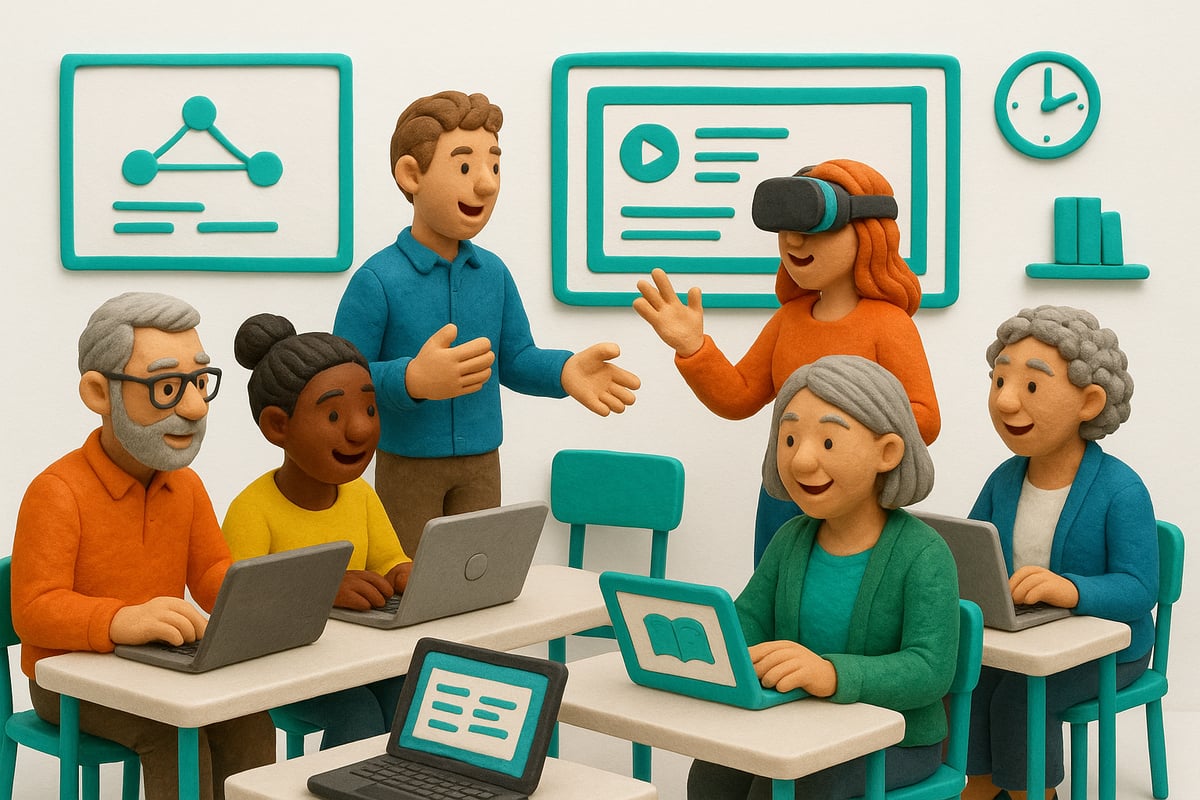
Continuous learning is quickly becoming the norm across the globe. More adults than ever now take course to keep up with industry changes and personal goals. According to the LinkedIn Learning 2025 Workplace Learning Report, there has been a significant rise in adult learners seeking new qualifications and professional development.
Technology has removed many barriers, making it easier to access high-quality education from anywhere. The shift towards remote and hybrid work has also increased the need for employees to upskill and reskill, ensuring they remain valuable in the workplace. Whether for career advancement or personal growth, lifelong learning is now a necessity.
Digital Transformation and Course Accessibility
Online learning platforms have revolutionised education, making it possible for anyone to take course regardless of their location or schedule. The surge in micro-credentials and short courses allows learners to gain targeted skills efficiently and effectively.
AI and adaptive learning technologies are making education more personal, adjusting content to fit each individual's pace and needs. The flexibility to learn anytime and anywhere means professionals and parents alike can balance study with other commitments. MOOCs and professional certificates continue to gain popularity, further expanding access.
Industry Demand and Skills Gaps
In 2026, the demand for updated skills is higher than ever. Businesses across technology, trades, and service sectors are reporting critical skills shortages. Many employers now expect staff to take course regularly to stay current with evolving standards.
Employer surveys highlight the growing importance of certified, up-to-date skills. Nationally recognised qualifications are vital for those looking to enter new industries or progress their careers. The World Economic Forum’s Future of Jobs Report 2025 also notes that addressing skills gaps is essential for global economic growth.
The Value of Accredited Training Providers
Choosing the right provider when you take course is essential for maximising career benefits. Accredited and quality-assured courses ensure learners receive education that meets industry standards and is recognised by employers.
Accreditation, such as that provided by NZQA in New Zealand, gives learners confidence that their qualifications will be valued in the job market. Trusted providers offer pathways for career growth and often provide additional support, networking, and resources. Making an informed choice about where to study can make all the difference in your professional journey.
7 Inspiring Reasons to Take a Course and Boost Your Skills in 2026
In 2026, the decision to take course is more than just a commitment to education—it is an investment in your future. Whether you are aiming to stay ahead in your field or explore new opportunities, there are compelling reasons to act now. Let us explore the seven most inspiring motivations to take course and transform your professional and personal journey.
1. Stay Relevant in a Rapidly Changing Job Market
The world of work is evolving rapidly. Automation and artificial intelligence are transforming industries, making it essential to take course and keep your skills up to date. According to the World Economic Forum’s Future of Jobs Report 2025, millions of jobs will be displaced by 2030, but just as many new roles will emerge.
Upskilling through targeted courses helps you adapt to shifting industry standards. For example, professionals in digital marketing, data analysis, and AI are in high demand. By choosing to take course in these areas, you remain competitive and ready for future opportunities.
Consider the story of a retail manager who took a course in data analytics. Within a year, she transitioned to a tech-driven role, highlighting how continuous learning can open doors to new careers. Staying relevant is not just about survival; it is about thriving no matter how the job market changes.
2. Unlock New Career Opportunities and Promotions
If you are aiming for advancement, the decision to take course can be a game changer. Employers increasingly value certified skills and qualifications when considering candidates for promotions or new roles. Internal mobility is on the rise, with many organisations encouraging staff to upskill for cross-functional positions.
Completing a leadership or management course often leads to promotions. Many employees have reported salary increases and expanded responsibilities after investing in their education. Micro-credentials, in particular, help individuals stand out in a competitive environment.
For example, a team leader who took course in project management gained the confidence and credentials needed to secure a department head position. These stories illustrate how new qualifications can directly impact your career trajectory, making it easier to climb the professional ladder.
3. Increase Your Earning Potential
One of the most tangible benefits when you take course is the potential for increased earnings. Data consistently show that individuals with advanced or specialised qualifications command higher salaries. High-demand skills in technology, finance, and healthcare often come with premium pay.
Certification validates your expertise, giving you leverage in salary negotiations. For example, professionals who take course in project management or IT frequently see a significant return on their investment. Global trends confirm that skilled workers are rewarded, especially in sectors facing talent shortages.
Consider the impact of earning a new qualification: not only does it boost your confidence, but it also provides concrete evidence of your capabilities. This makes you a more attractive candidate for promotions and pay rises, ensuring your efforts are recognised financially.
4. Boost Confidence and Personal Growth
Choosing to take course is not just about professional gains. The psychological benefits of learning are significant. Engaging in new subjects increases self-efficacy and motivation, helping you overcome challenges and achieve milestones.
Research links continuous education to improved mental well-being. Many learners report greater confidence after mastering new skills. Peer support and networking within courses also contribute to personal growth, building a sense of community and belonging.
Student testimonials often highlight the transformative effect of stepping outside comfort zones. Whether it is conquering public speaking or mastering a technical subject, the act of learning itself fosters resilience and adaptability—qualities that benefit every aspect of life.
5. Adapt to Technological Advancements
Technology is evolving at an unprecedented pace in 2026. The ability to take course and keep up with digital tools, AI, and automation is now a baseline expectation for most employers. Digital literacy and tech fluency are no longer optional—they are essential for career longevity.
Courses in AI, cybersecurity, and digital platforms equip you to navigate new technologies confidently. Without upskilling, there is a real risk of skill obsolescence. Employers actively seek individuals who demonstrate a willingness to learn and adapt.
Future-proofing your career means embracing change and proactively acquiring new competencies. By taking course in emerging technologies, you ensure your professional relevance and open up future opportunities in innovative fields.
6. Expand Your Professional Network
Another compelling reason to take course is the opportunity to build and expand your professional network. Courses connect you with instructors, peers, and industry experts, creating valuable relationships that support your career.
Alumni networks and professional groups often originate from shared learning experiences. These connections can lead to job referrals, collaborative projects, and even mentorship. The importance of a supportive community cannot be overstated.
Both online and in-person courses offer networking benefits. Many students find lasting friendships and professional partnerships during their studies. The act of learning together fosters trust and opens doors that might otherwise remain closed.
7. Enjoy Flexible, Personalised Learning Experiences
Modern education offers more flexibility than ever before. When you take course in 2026, you can choose from a variety of formats: self-paced, blended, or micro-learning options. Courses can be tailored to your individual needs, goals, and schedule.
Customised learning paths are especially valuable for working professionals and parents, making it possible to balance study with other commitments. AI-driven platforms adapt content to your progress, ensuring a personalised experience.
The convenience of learning from anywhere in the world cannot be underestimated. Whether you prefer online workshops or in-person seminars, the ability to take course on your terms empowers you to reach your goals without sacrificing work-life balance.
How to Choose the Right Course for Your Goals
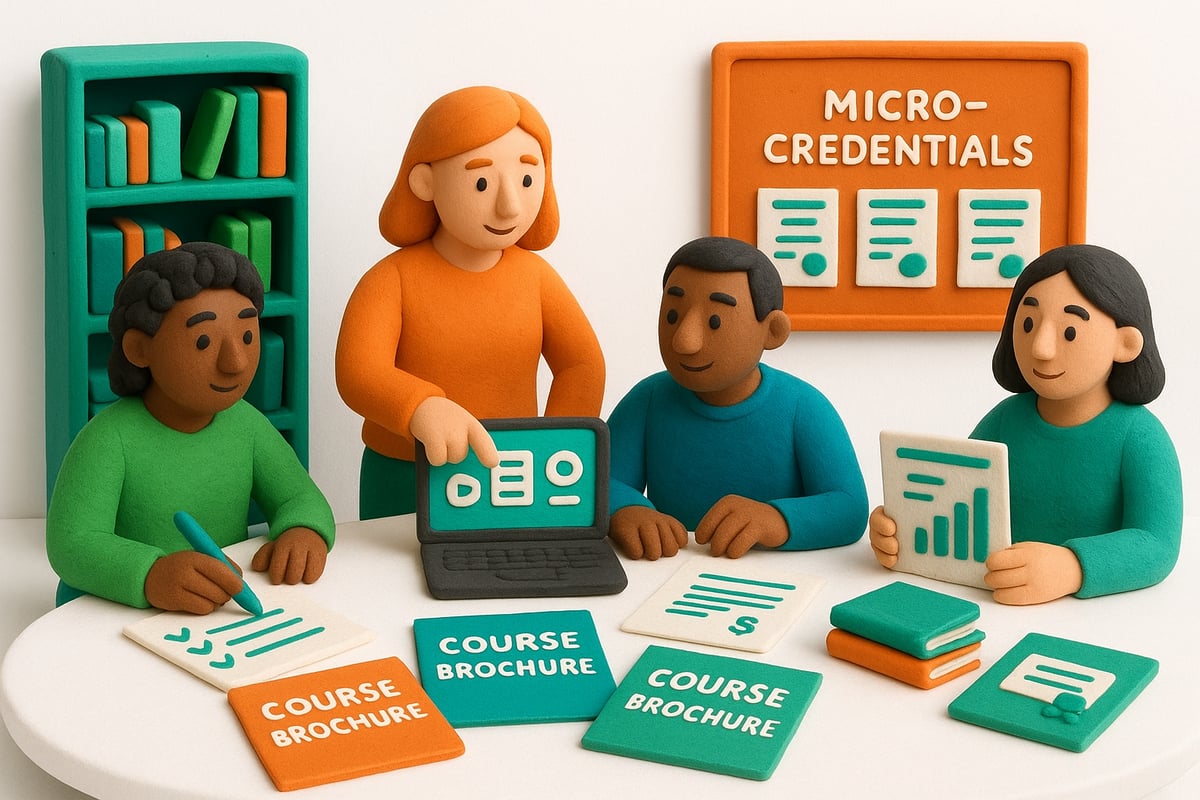
Selecting the best way to take course for your goals in 2026 involves thoughtful planning and self-reflection. With so many options available, it is important to match your learning journey to your personal aspirations and professional needs. Below, we break down the essential steps to make an informed decision when you take course, ensuring your investment delivers long-term value.
Assessing Your Skills and Career Aspirations
Before you take course, start by evaluating your current skill set. Identify your strengths and areas for growth using tools such as a skills audit or a personal SWOT analysis. This approach helps clarify what you already excel at and where you need to develop.
Reflect on your career objectives. Are you aiming for a promotion, a career change, or simply to improve job security? Aligning your goals with the skills you want to acquire ensures that when you take course, it truly supports your ambitions. Consider industry trends and consult professional frameworks that highlight in-demand capabilities.
A clear understanding of your present abilities and future targets makes it much easier to choose the right path when you decide to take course.
Researching Accredited and Trusted Providers
When you take course, the reputation and accreditation of the provider are crucial. Look for institutions endorsed by recognised regulatory bodies, such as NZQA, to guarantee quality standards and employer recognition.
Use a checklist for assessment:
- Is the provider accredited?
- Are course outcomes transparent?
- What do reviews and graduate testimonials say?
- Does the course content align with your goals?
Choosing a trusted provider increases the value of your qualification and can improve your career prospects. To explore different pathways and formats, you may find the Study options at Summit Institute helpful as you take course.
Comparing Course Formats and Delivery Methods
The way you take course can significantly impact your success. Today, options range from fully online to blended and in-person learning. Each format offers distinct advantages, and the best choice depends on your lifestyle, learning preferences, and availability.
Here’s a quick comparison:
| Format | Flexibility | Interaction | Time Commitment |
|---|---|---|---|
| Online | High | Moderate | Varies |
| Blended | Medium | High | Moderate |
| In-person | Low | Very High | Fixed |
Consider which environment will help you stay motivated and engaged as you take course. Reflect on your preferred learning style, whether self-directed or collaborative, and select the format that fits best.
Considering Cost, Funding, and Return on Investment
It is essential to weigh the cost before you take course. Tuition fees, materials, and potential time off work all factor into your decision. Investigate scholarships, grants, or employer-sponsored funding to ease the financial burden.
Evaluate the return on investment by comparing expected salary increases or career advancement opportunities after you take course. Financial planning tools and advice from adult learning advisors can help you calculate the long-term value of your education.
By considering both immediate costs and future benefits, you ensure that your decision to take course is both practical and rewarding.
Real-World Success Stories: The Impact of Taking a Course
Across industries and backgrounds, the decision to take course can be life-changing. Real-world stories show how learners unlock new opportunities, develop fresh skills, and build brighter futures by investing in their education. Here, we explore four inspiring journeys that demonstrate the true impact of upskilling.

Career Changers Who Found Their Passion
Many people decide to take course when seeking a fresh start in their careers. For example, professionals from retail or hospitality have transitioned into tech roles after upskilling through part-time digital courses. One former barista now thrives as a junior web developer, attributing her success to the flexibility and support of online learning.
Surveys show that over 70 percent of adult learners report higher career satisfaction after retraining. Whether moving into healthcare, creative industries, or technology, the courage to take course often begins with exploring new subjects and interests. If you are inspired to find your own path, you can explore available subjects to see what aligns with your goals.
Professionals Who Achieved Promotions and Pay Rises
For many employees, choosing to take course is the first step towards advancement. Completing accredited qualifications, such as business administration or leadership programmes, can open doors to new roles and responsibilities. One finance assistant, after earning a management certificate, was promoted within six months and received a significant salary increase.
Employers increasingly recognise certified skills, and studies reveal that employees with recent qualifications are 30 percent more likely to be promoted. These professionals demonstrate initiative and commitment, showing that the decision to take course can directly influence career progression and financial rewards.
Entrepreneurs and Freelancers Who Boosted Their Businesses
Entrepreneurs and freelancers often take course to stay ahead in a competitive market. Upskilling in digital marketing, project management, or client communication can lead to increased business growth and customer retention. One freelance designer, for instance, saw her client base double after completing a targeted online marketing course.
Industry data confirms that self-employed professionals who take course are more likely to expand their services and win new contracts. By continuously learning and adapting, entrepreneurs ensure their businesses remain relevant and resilient in changing economic climates.
Lifelong Learners Who Enhanced Their Personal Lives
Not every reason to take course is tied to career goals. Many adults pursue learning to foster personal growth, mental agility, and social engagement. Community courses in languages, arts, or wellness have helped individuals build confidence and develop new friendships.
Research highlights that those who take course for personal development experience greater well-being and life satisfaction. Testimonials frequently mention the joy of mastering new skills and the sense of achievement that comes from stepping outside one’s comfort zone. Lifelong learning is a powerful tool for enriching all aspects of life.
Future Trends: What to Expect from Courses in 2026 and Beyond
As we look ahead to 2026 and beyond, the way we take course offerings is evolving at a pace never seen before. New technologies, shifting employer expectations, and global issues are reshaping how learners engage with education. Understanding these emerging trends will help you make informed decisions about your next steps as you take course options that fit your needs.
AI and Personalised Learning Pathways
Artificial intelligence is transforming how people take course content, making learning highly adaptive and interactive. AI-powered systems analyse your progress and adjust lessons in real time. This ensures that every learner moves at their own pace and focuses on areas where they need the most support.
According to BlackRock’s AI and Labor Market Report, AI is not only reshaping job markets but also driving demand for new types of workforce training. As more providers integrate AI tools, you can expect smarter feedback, tailored assessments, and even virtual tutors to guide you every step of the way. This personalised approach makes it easier than ever to take course material that matches your goals.
Micro-Credentials and Skills-Based Hiring
The future of learning is shifting toward micro-credentials. These short, stackable qualifications give you the flexibility to take course modules that directly match job requirements. Many employers now prefer candidates with targeted skills over traditional degrees.
| Micro-Credentials | Traditional Degrees |
|---|---|
| Short duration | Several years |
| Skills-focused | Broad scope |
| Stackable | Fixed curriculum |
Digital badges and micro-degrees are becoming popular, signalling verified expertise to hiring managers. By choosing to take course pathways in this format, you can quickly respond to changing industry needs and stand out in the job market.
Global Collaboration and Cross-Cultural Learning
In 2026, learners can take course opportunities that cross borders. International collaboration is more accessible thanks to virtual classrooms and global learning platforms. This trend connects students and professionals from different cultures, fostering teamwork and a broader perspective.
Joint programmes between universities and industry partners are commonplace, allowing you to take course experiences that blend academic knowledge with real-world practice. The result is a richer learning environment that prepares you for global careers and diverse workplaces.
Sustainability and Social Impact Education
There is a growing demand for courses that address sustainability, ethics, and social responsibility. When you take course options focused on environmental, social, and governance (ESG) topics, you gain skills valued by employers who prioritise green and ethical practices.
New curricula are emerging to tackle climate change, social justice, and corporate responsibility. By choosing to take course content in these areas, you not only future-proof your career but also contribute positively to society. This focus on impact-driven education will continue to shape the learning landscape in the years ahead.
As you’ve seen, 2026 is set to be a turning point for anyone looking to stay relevant, adaptable, and confident in their career journey. Whether you’re aiming for a promotion, eager to master new technologies, or simply want to invest in your personal growth, there’s never been a better time to upskill. Summit Institute offers flexible, industry-focused courses and nationally recognised qualifications designed for real-world impact—so you can learn on your terms and see genuine results. There’s no need to wait for change to happen to you—Get ahead now!