Did you know that by 2026, over half of existing jobs may require new skills not in today’s workforce? The pace of change can feel overwhelming, especially when choosing the right study qualifications to secure your future.
Selecting the right pathway is more than just ticking a box, it is about building a solid foundation for long-term success. This guide delivers a clear roadmap to help you select, plan, and achieve study qualifications that match evolving job market trends.
You will discover the types of qualifications available, how to align them with your career goals, practical steps for navigating the process, and strategies to maximise your outcomes. Take the first step towards future-proofing your career with confidence.
Understanding Study Qualifications in 2026
Choosing the right study qualifications is more essential than ever as we approach 2026. The landscape of education is shifting rapidly, and understanding your options is the first step towards a future-proof career. Whether you are seeking foundational knowledge, industry-specific skills, or flexible upskilling, knowing the different pathways can help you make informed decisions.

Types of Qualifications: Certificates, Diplomas, Degrees, Micro-credentials
Study qualifications come in many forms, each catering to different learning goals and career stages. Understanding the distinctions is key for effective planning.
| Qualification Type | Duration | Focus | Example Fields | Recognition |
|---|---|---|---|---|
| Certificate | 6-12 months | Foundational/practical | Business, IT, Health | National/international |
| Diploma | 1-2 years | Specialised/applied | Technology, Design | National/international |
| Degree | 3+ years | Academic/advanced | Science, Engineering | Global |
| Micro-credential | Weeks-few months | Targeted, skills-based | Digital, Marketing | Growing acceptance |
Certificates focus on foundational skills and are ideal for those entering a field or seeking a quick skill boost. Diplomas provide more depth, often blending theory with hands-on training. Degrees, such as a Bachelor’s or Master’s, offer comprehensive academic and professional preparation, usually recognised worldwide.
Micro-credentials have surged in popularity, offering focused, industry-aligned training in emerging skills. For example, a certificate in business administration can open doors in office management, while a micro-credential in data analytics is valued in tech sectors. According to HolonIQ, by 2026, global micro-credential enrolments are expected to rise by 40 percent. For a deeper analysis, see the Micro-credentials’ rapid growth report.
International recognition is increasingly important. Most study qualifications are designed to be transferable, allowing graduates to pursue further study or employment abroad. Always verify the global standing of your chosen programme.
The Evolving Education Landscape
The way we earn study qualifications has transformed dramatically in recent years. Flexible, blended, and online learning are now mainstream, catering to diverse lifestyles and requirements.
Employers are placing higher value on practical, skills-based study qualifications. This trend is driven by technological advances and automation. As a result, qualifications that blend technical knowledge with workplace competencies are in high demand.
Remote learning adoption rates continue to climb. In 2023, over 60 percent of tertiary students in some countries engaged in online or hybrid study. This shift enables learners to balance studies with work and family responsibilities, making education more accessible.
Technology is not just changing how we learn, but what we need to learn. Digital skills, data analysis, and adaptability are now core components of many study qualifications. Institutions are updating course content to ensure graduates are ready for the challenges of the modern workplace.
Industry and Regulatory Trends
Industry requirements and regulatory frameworks are also shaping the future of study qualifications. In highly regulated sectors, such as healthcare, finance, and technology, updated standards ensure that qualifications remain relevant and robust.
Many countries are reviewing and revising their qualification frameworks to align with future industry needs. For example, financial services now require certifications that reflect new compliance and digital security standards. Healthcare qualifications must address evolving patient care technologies and protocols.
Employers increasingly expect candidates to hold study qualifications that reflect up-to-date regulations and skills. This trend highlights the importance of choosing accredited programmes that are recognised by industry and regulatory bodies.
In summary, understanding the types, delivery methods, and industry requirements of study qualifications is crucial for anyone planning their educational path in 2026. Choose wisely to ensure your learning investment leads to meaningful, future-ready opportunities.
Mapping Your Career Goals to the Right Qualification
Choosing the right study qualifications is a pivotal step in securing your future career. With evolving industries and shifting employer expectations, aligning your education with both your strengths and market demand is essential. This section will guide you through a structured approach, from self-assessment to selecting a study pathway that fits your ambitions and the realities of tomorrow’s job market.
Self-Assessment: Skills, Interests, and Market Demand
Before selecting study qualifications, it is crucial to understand your core strengths and interests. Start by listing your skills and noting which tasks you naturally enjoy. Reflect on feedback from colleagues, mentors, or educators to clarify areas where you excel.
Next, research which skills are forecasted to be in demand. According to LinkedIn, the top five in-demand skills for 2026 include data analysis, digital literacy, and critical thinking. By matching your interests with these future needs, you increase your chances of choosing study qualifications that support a resilient career.
Regularly reviewing your skills and ambitions ensures you remain adaptable as industries evolve. This self-knowledge provides a strong foundation for the next step in your journey.
Researching Career Pathways
Once you understand your strengths, explore career trajectories that align with them. Utilise job boards, industry reports, and government resources to map out potential roles and required study qualifications. Informational interviews with professionals in your field can offer real-world insights and guidance.
A practical way to start is by reviewing Study options and pathways, where you can discover a range of qualifications and flexible learning routes. Comparing course content, duration, and outcomes helps you make informed decisions.
For example, if you are deciding between a digital marketing diploma and a computer science degree, consider entry requirements, potential earnings, and employment rates. This research empowers you to build a roadmap towards roles that match your aspirations.
Aligning Study Choices with Long-Term Goals
Balancing passion, practicality, and earning potential is key when selecting study qualifications. While following your interests is important, also consider the employment rates and income levels associated with each qualification type.
Stackable qualifications, such as micro-credentials or certificates, enable you to adapt your expertise as industries change. Lifelong learning is increasingly valued by employers, supporting continuous upskilling and career flexibility.
Graduate employment statistics show that those with practical, skills-based study qualifications often secure roles faster. Use these insights to select a pathway that delivers both personal fulfilment and professional security.
| Qualification Type | Duration | Practical Focus | Graduate Employment Rate |
|---|---|---|---|
| Diploma in Digital Marketing | 1 year | High | 85% |
| Degree in Computer Science | 3 years | Medium | 90% |
Summit Institute: Flexible NZQA-Accredited Pathways
Summit Institute stands out as a leading NZQA-accredited private training provider, offering flexible and nationally recognised study qualifications. Whether you seek certificates, diplomas, or micro-credentials, Summit Institute delivers options tailored to diverse learners.
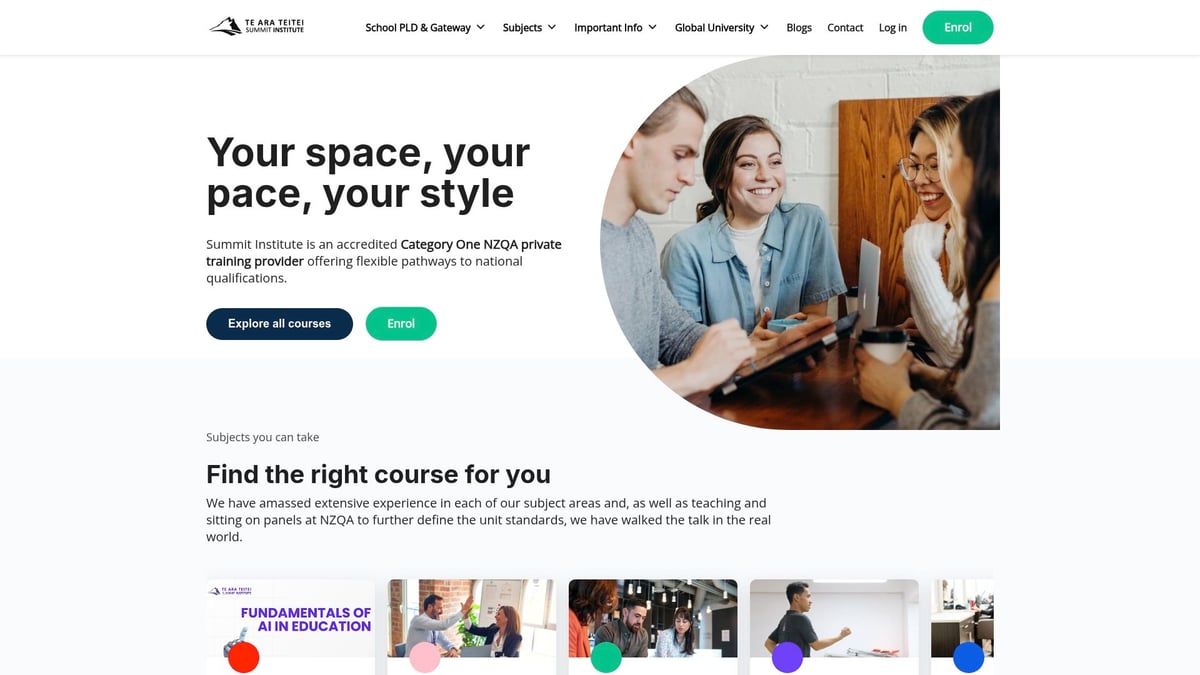
Their blended and online learning models enable you to balance study with work or family commitments. Courses are industry-focused, ensuring your qualifications hold real-world value and meet employer expectations.
With robust accreditation and quality assurance, Summit Institute provides a future-ready platform for those seeking adaptable study qualifications. Their support services and commitment to lifelong learning make them a strong choice for anyone planning their next educational step.
Step-by-Step Guide to Navigating the Qualification Process
Choosing and achieving the right study qualifications is a journey with several key steps. By following a structured approach, you can ensure your efforts lead to recognised, valuable outcomes in the evolving job market. Here is a step-by-step guide to successfully navigating the qualification process and maximising your prospects for 2026 and beyond.

Step 1: Researching Providers and Accreditation
The first step in your study qualifications journey is to research education providers and confirm their accreditation. Not all institutions offer the same level of recognition or quality. Look for providers that are accredited by regulatory bodies such as NZQA in New Zealand or Ofqual in the UK.
You should compare public and private providers, as well as local and international options. Use the table below to help guide your evaluation:
| Provider Type | Accreditation | Flexibility | Recognition |
|---|---|---|---|
| Public | High | Moderate | National/Global |
| Private | Varies | High | National/Industry |
| International | Varies | Varies | Global |
For regulated industries, it is essential to select qualifications that meet current standards. For example, those considering a career in finance should review Financial services certificate information to ensure compliance with industry requirements. Verifying accreditation early helps you avoid wasted time and resources.
Step 2: Application and Entry Requirements
Once you have shortlisted suitable providers, review the application process and entry requirements for your chosen study qualifications. Entry criteria vary depending on the level and type of qualification. Certificates may require basic literacy and numeracy, while degrees typically ask for prior academic achievement.
If you lack formal prerequisites, investigate bridging courses or recognition of prior learning (RPL) pathways. Prepare your application carefully, highlighting relevant experience and motivation. Strong applications often include:
- Personal statements
- References
- Academic transcripts
- Evidence of work experience
Meeting entry requirements ensures you start your study qualifications journey on the right foot.
Step 3: Funding Your Studies
Financing your study qualifications is a key concern for many. Begin by exploring scholarships, grants, and government loans available in 2026. Eligibility may depend on your chosen field, academic performance, or financial need.
Some employers offer sponsorships for upskilling, especially in high-demand sectors. Part-time study and flexible learning can allow you to earn while you learn. Average qualification costs and student debt vary by country and provider. Always compare funding options and plan your budget before committing.
Key funding sources to consider:
- Government student loans
- Provider scholarships
- Industry grants
- Employer sponsorships
Balancing cost, debt, and return on investment is crucial for making your study qualifications achievable and sustainable.
Step 4: Balancing Study with Life and Work
Many learners juggle study qualifications with personal and professional commitments. Effective time management is essential. Use planners, calendars, and digital tools to schedule study sessions and track deadlines.
Flexible study modes, such as evening, weekend, or online classes, can help you fit learning around your life. Support from family, friends, and employers also makes a significant difference. Real-life examples show that mature students and part-time learners can succeed by setting realistic goals and maintaining motivation.
Tips for balance:
- Set specific, achievable milestones
- Take regular breaks to avoid burnout
- Reach out for support when needed
Balancing life and study is a skill that will serve you well throughout your study qualifications journey.
Step 5: Making the Most of Student Support Services
Accessing support services can significantly enhance your success with study qualifications. Academic support, such as mentoring and tutoring, helps you master course material. Wellbeing services, including counselling, provide emotional support during stressful periods.
Career services offer guidance on job placement and further study opportunities. According to the Education Review Office, students who use support services are 30% more likely to complete their qualifications. Make the most of:
- Academic tutoring and mentoring
- Career advice and job placement
- Wellbeing and counselling support
Engaging with these resources increases your chances of achieving your study qualifications and building a strong foundation for your future career.
Maximising the Value of Your Qualification
Achieving your chosen study qualifications is just the beginning. The real challenge is transforming your new credentials into lasting professional value. To do this, you need a proactive approach that combines networking, practical experience, strategic self-promotion, and a commitment to ongoing learning. By following these steps, you will ensure your study qualifications open doors and help you thrive in the ever-evolving job market.

Building Professional Networks During Study
Professional networks are powerful assets during your study qualifications journey. Internships, industry placements, and participation in professional events can connect you with mentors, potential employers, and peers. Many educational providers offer networking events, guest lectures, and access to alumni associations.
Consider joining LinkedIn groups related to your field and engaging with professional associations. These connections often lead to internships, job referrals, or collaborative projects. Alumni networks can provide valuable insights and open doors to roles aligned with your study qualifications.
- Attend career fairs and industry seminars.
- Join student societies and professional bodies.
- Participate in mentorship programmes offered by your institution.
Effective networking helps you stay informed about industry trends and exposes you to new opportunities, making your study qualifications more impactful.
Gaining Practical Experience
Employers increasingly value candidates who complement their study qualifications with hands-on experience. Real-world projects, work-integrated learning, and placements allow you to apply theoretical knowledge in practical settings. For instance, students who complete internships or capstone projects are more likely to secure employment soon after graduation.
Many programmes incorporate practical components, such as industry simulations or collaborative assignments, to bridge the gap between study qualifications and workplace requirements. In fact, recent reports show that students with practical experience have higher employment rates and often command better starting salaries.
- Seek out internships or volunteer roles in your field.
- Participate in project-based learning modules.
- Document your achievements in a professional portfolio.
Micro-credentials are also growing in popularity, with the Micro-credentials’ impact on hiring report highlighting how these short, focused courses can boost employability and fill skill gaps.
Leveraging Your Qualification for Career Advancement
Your study qualifications are a foundation for career progression, but how you showcase them makes a crucial difference. Start by updating your CV and LinkedIn profile to highlight your new skills, certifications, and practical achievements. Tailor your job applications to demonstrate how your study qualifications meet employer needs.
Develop a portfolio that includes project samples, testimonials, and evidence of professional growth. Prepare for interviews by practising responses that showcase your adaptability and problem-solving skills. Consider this example: a graduate who used their qualification to pivot into a new sector, leveraging both technical expertise and transferable competencies to secure a higher-level role.
- Customise your CV for each opportunity.
- Create an online portfolio or personal website.
- Practise interview techniques that highlight your study qualifications.
Strategic self-promotion ensures employers recognise the full value of your achievements.
Lifelong Learning and Upskilling
The workplace is evolving rapidly, and ongoing professional development is essential for maintaining the relevance of your study qualifications. Lifelong learning includes formal education, micro-credentials, and short courses that address emerging industry needs.
A recent study predicts that 85 percent of jobs in 2030 have not yet been invented, underscoring the importance of continual upskilling. Micro-credentials are particularly effective for targeting in-demand skills, as highlighted in the Top in-demand skills for 2026 report, which lists digital literacy and data analysis among the most sought-after competencies.
- Enrol in short courses relevant to your field.
- Attend webinars and industry workshops.
- Regularly assess your skills against market trends.
By viewing your study qualifications as part of an ongoing journey, you position yourself for lasting career success.
Future-Proofing Your Study Choices for 2026 and Beyond
The pace of change across industries is accelerating, making it essential to future-proof your study qualifications. By understanding how to anticipate disruption, build adaptable skills, and embrace global opportunities, you can ensure your education remains relevant. Let’s explore strategies to keep your study qualifications ahead of the curve for 2026 and beyond.
Anticipating Industry Disruption and New Opportunities
Industries globally are experiencing rapid transformation, especially in areas like artificial intelligence, sustainability, and healthcare. To future-proof your study qualifications, it is vital to monitor these shifts and understand which roles are emerging. Researching labour market reports, industry forecasts, and job boards can help you identify the qualifications gaining traction.
For example, new micro-credentials in data analytics or green technology are appearing in response to evolving business needs. According to U.S. credential landscape 2025, the number of available credentials is expanding, giving learners more options to specialise or pivot careers. Selecting study qualifications that address these trends ensures you are ready for both current and future job markets.
Building Adaptability and Transferable Skills
Employers increasingly value adaptability, communication, and problem-solving in addition to technical expertise. When choosing study qualifications, seek programmes that foster these transferable skills alongside subject knowledge.
Key skills to prioritise include:
- Critical thinking and creativity
- Digital literacy and collaboration
- Emotional intelligence and resilience
Selecting study qualifications that blend technical content with soft skill development can make you more versatile in the face of change. Look for courses that offer project-based learning, teamwork, and exposure to real-world scenarios.
Planning for International Mobility
Global opportunities are expanding for those with recognised study qualifications. Qualifications with international accreditation or portability enable you to pursue further study or employment abroad. Research whether your chosen study qualifications are accepted in your target countries, and review graduate outcome statistics for international students.
Many institutions now provide pathways for studying or working in multiple regions. Consider exchange programmes, joint degrees, or qualifications aligned with international standards to maximise your mobility and career prospects.
Setting Up for Lifelong Success
Treat your study qualifications as the start of a lifelong learning journey. The job market will continue evolving, so staying updated with new skills is crucial. Subscribe to industry news, attend professional development events, and leverage online resources to keep your expertise current.
Developing a habit of regular upskilling ensures you remain competitive and adaptable. Utilise tools such as career planning platforms, alumni networks, and micro-credential offerings to support ongoing growth. With the right strategies, your study qualifications will provide a strong foundation for lasting career success.
As you consider your next steps towards a successful future, remember that choosing the right study qualification is more important than ever in today’s fast-changing world. By understanding the different pathways, aligning your studies with your goals, and embracing flexible learning, you’re already on the right track. Whether you’re looking to gain practical industry skills or prepare for a new career, investing in a nationally recognised qualification can open doors in 2026 and beyond. If you’re ready to take control of your journey and set yourself up for real-world success, Get ahead now!