
Choosing the right students courses in 2026 could shape your entire academic and professional future. Are you ready to take the next step with confidence?
This guide is designed to make the process of selecting students courses clear and manageable. You will discover how to recognise your strengths, explore a wide range of course options, understand entry requirements, and make the most of support services.
We will also help you prepare for a vibrant student life. Throughout, you will find practical steps, expert insights, and tips that empower you to make informed decisions about your path forward.
Understanding the 2026 Student Course Landscape
Choosing from the wide array of students courses in 2026 means understanding the evolving landscape of higher education. The options are more dynamic than ever, shaped by innovation, global demands, and student needs. Let’s explore the key factors influencing your decision.

Key Trends in Higher Education
The world of students courses is rapidly transforming. Universities now offer multidisciplinary and flexible learning pathways, allowing students to tailor their education. There is a growing emphasis on practical skills and employability, ensuring graduates are work-ready.
Micro-credentials and modular courses are gaining popularity, enabling learners to build qualifications step by step. Online and blended learning options have expanded, making higher education more accessible. According to UCL, over 400 undergraduate programmes are now available, reflecting the vast range of choices.
These trends encourage students to think beyond traditional boundaries and focus on future career needs.
Popular Course Categories and Emerging Subjects
When reviewing students courses, it is essential to consider both established and emerging fields. Traditional categories include STEM, Business, Arts and Humanities, and Social Sciences. However, new and in-demand subjects such as artificial intelligence, sustainability, and digital media are drawing attention.
Universities like UCL invest in cutting-edge facilities for both classic and modern disciplines. If you are keen to explore the full spectrum of available options, you can explore available subjects to discover what aligns with your interests.
Choosing a course in a growing area can give you a competitive edge in the job market.
Entry Requirements and Application Timelines
Understanding the requirements for students courses is crucial for a successful application. Most UK undergraduate programmes use the UCAS system, with applications opening from 2 September 2025 to 14 January 2026. Medicine and related fields have an earlier deadline of 15 October 2025.
Typical entry requirements include specific grades and subject prerequisites. International students must also meet English language standards. It is important to check each course’s details and prepare your documents early.
Careful planning ensures you meet all the necessary criteria and avoid last-minute stress.
The Role of International Students
International students play a significant role in shaping the landscape of students courses. For example, UCL welcomes over 42,000 students from more than 150 countries, creating a vibrant multicultural environment.
If you are applying from abroad, consider how your qualifications compare to UK standards. Many universities provide tailored support and guidance for international applicants, including help with visas and adjusting to a new culture.
This global mix enriches the learning experience and broadens perspectives for everyone.
The Impact of University Reputation and Rankings
University reputation can influence the value of students courses and your career prospects. Institutions with strong rankings often provide better employability outcomes and access to global networks. UCL, for instance, boasts Nobel Prize winners and a worldwide alumni community.
When choosing a university, look at factors such as research achievements, graduate destinations, and partnership opportunities. These elements often reflect the quality and impact of your chosen course.
A reputable university can open doors and set the stage for long-term success.
Step-by-Step Guide to Choosing the Right Course
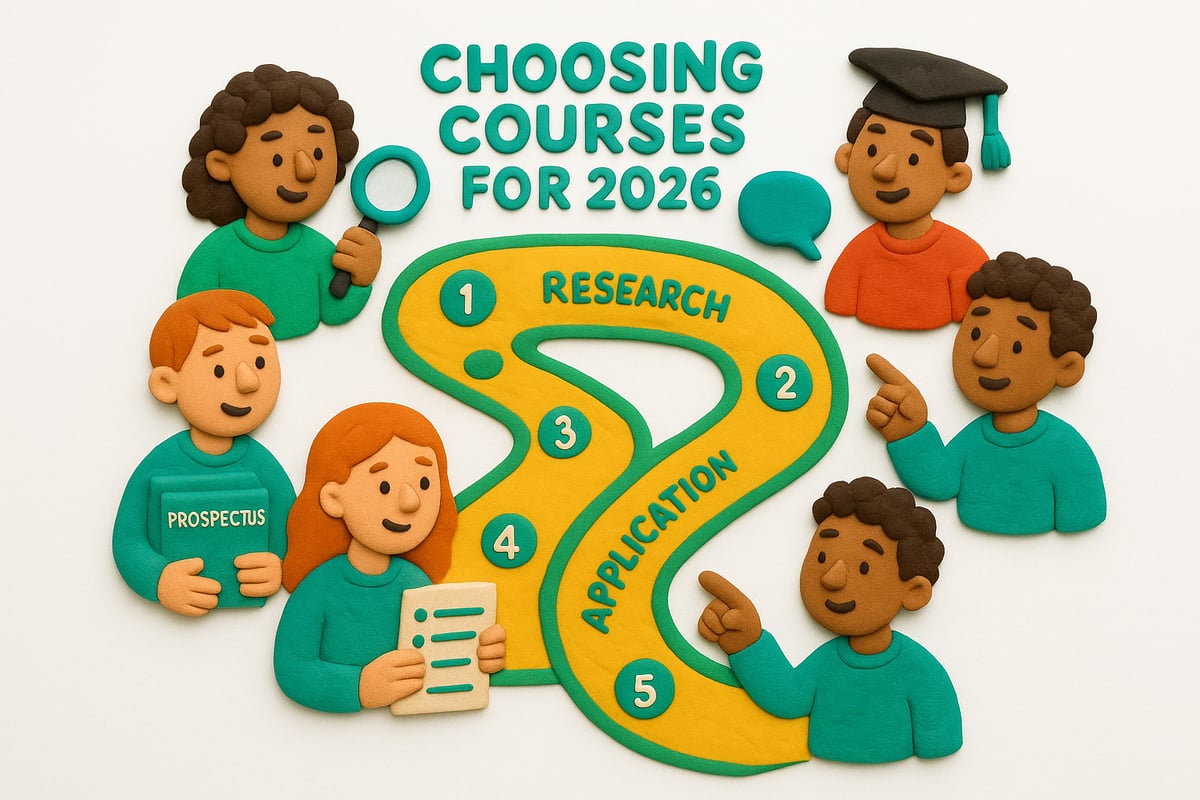
Selecting from the wide range of students courses in 2026 can feel overwhelming, but a methodical approach will help you make a confident, informed choice. Follow this step-by-step guide to ensure each stage of your decision-making process is clear and manageable.
Step 1: Self-Assessment and Goal Setting
Begin by reflecting on your interests, strengths, and long-term ambitions. Ask yourself which subjects excite you, what skills you naturally excel at, and what careers you might enjoy. Use online tools such as interest inventories or career quizzes to clarify your preferences.
Write down your goals, both academic and personal. Consider questions like, “Do I want a course with strong practical elements?” or, “Am I aiming for a specific profession?” Matching your aspirations with students courses that align with your values will set a strong foundation for success.
Step 2: Researching Course Options
Once you have a clearer sense of direction, start researching available students courses. Compare course structures, content, assessment styles, and teaching methods. University prospectuses, department websites, and open days provide valuable insight.
Pay attention to the flexibility of each course, available specialisations, and opportunities for practical experience. Attending virtual or in-person open days can help you envision yourself in different learning environments. This research ensures the students courses you shortlist are a genuine fit for your ambitions.
Step 3: Evaluating Entry Requirements and Pathways
Carefully review the entry requirements for each of your preferred students courses. Look for specific subject prerequisites, minimum grade expectations, and alternative entry routes such as foundation years or access programmes.
If you are from a non-traditional background, consider courses or institutions that offer widening participation schemes or additional support. Keep a checklist of requirements for every course you are interested in, so you can track your eligibility and identify any gaps to address before applying.
Step 4: Understanding Application Processes
Familiarise yourself with the application process for students courses, particularly if you are applying through UCAS. Know the required documents, such as personal statements, references, and transcripts. Mark all deadlines in your calendar, as missing them can result in missed opportunities.
For detailed information on application timelines, refer to the UCAS 2026 Application Deadlines. Preparing your application in advance gives you time to refine your materials and seek feedback.
Step 5: Seeking Advice and Support
You do not have to navigate your choice of students courses alone. Consult teachers, career advisors, and current students for honest perspectives. Many universities offer online chat services or peer mentoring platforms, where you can ask questions about courses and campus life.
Join online forums or social media groups dedicated to prospective students. These spaces provide first-hand accounts and tips that can clarify your expectations. Gathering a range of viewpoints will help you make a balanced, well-informed choice.
Step 6: Making Your Final Decision
With your research complete, it is time to finalise your choice of students courses. Compare your offers using a table or checklist that includes factors such as location, facilities, reputation, and support services.
| Factor | Course A | Course B |
|---|---|---|
| Location | ||
| Facilities | ||
| Student Life | ||
| Reputation | ||
| Entry Support |
Visit campuses if possible, or take virtual tours to get a feel for the environment. Weigh up funding options, scholarships, and accommodation. Trust your instincts, and remember that the right choice is one that aligns with your goals and values.
Maximising Your University Experience: Beyond the Classroom
Embarking on your university journey is about much more than just attending lectures. The world of students courses in 2026 offers countless opportunities to grow, connect, and prepare for the future. To truly thrive, look beyond the classroom and embrace every aspect of university life.

Campus Life and Social Opportunities
A thriving campus life is at the heart of the students courses experience. Joining societies, sports clubs, and volunteering groups helps you build friendships and discover new interests. At universities like UCL, Wednesday afternoons are reserved for extracurricular activities, giving you time to explore beyond your academic commitments.
- Sports teams for all abilities
- Academic and cultural societies
- Volunteering and leadership opportunities
Participating in campus events fosters personal growth and a sense of belonging. The connections you make through students courses can last a lifetime and support your journey well beyond graduation.
Support and Wellbeing Services
Success in students courses often depends on the quality of support available. Universities provide a range of services to help you manage academic pressures and personal challenges. These include:
- Mental health counselling
- Academic skills workshops
- Career guidance and mentoring
Accessing support early can make a significant difference in your wellbeing and academic performance. Comprehensive student wellbeing resources, such as those at UCL, ensure that every student feels supported and empowered to succeed.
Accommodation, Living Costs, and Funding
Where you live and how you manage your finances are crucial elements of the students courses journey. Universities offer various types of student accommodation, from halls of residence to private rentals. Many institutions prioritise first-year students for university-managed housing, making the transition smoother.
- Scholarships and bursaries
- Budgeting workshops
- Application tips for accommodation
To stay on top of funding, refer to the Student Finance England Schedule for key application dates and guidance. Careful planning helps you focus on your studies and make the most of your students courses experience.
Building Employability and Career Skills
Beyond academic knowledge, students courses are designed to help you develop the skills employers seek. Universities offer work placements, internships, and volunteering opportunities to enhance your CV. Career services provide:
- CV writing workshops
- Networking events with employers
- Alumni mentoring programmes
Engaging with these resources boosts your confidence and prepares you for a competitive job market. By taking part in students courses that prioritise employability, you set a strong foundation for your future career.
Embracing Diversity and Inclusion
Diversity and inclusion are central to the modern students courses experience. UK campuses bring together students from various backgrounds, cultures, and abilities, enriching your perspective. Inclusive policies and support services ensure everyone can thrive, including international students and those with disabilities.
- Multicultural societies
- Accessibility services
- Peer support networks
Embracing diversity not only enhances your social experience but also prepares you to work in a global environment. By engaging fully in students courses, you benefit from a rich, inclusive community.
Application Success: Tips, Timelines, and Common Pitfalls
Navigating the application process for students courses in 2026 requires both precision and preparation. A well-prepared application can be the difference between an offer and disappointment. By understanding each stage, you can confidently showcase your strengths and avoid common errors.

Creating a Strong Application
Crafting a compelling application is the first step towards success with students courses. Your personal statement should highlight your passion, academic achievements, and any relevant experiences. Admissions tutors want to see genuine motivation and a clear link between your interests and your chosen field.
Reflect on your strengths and connect your skills to the outcomes of students courses. Use specific examples, such as academic projects or leadership roles, to illustrate your readiness. Remember, honesty and authenticity stand out more than exaggeration.
Meeting Key Deadlines and Requirements
Timely submission is essential when applying for students courses. Missing key dates can mean your application is not considered. The UCAS application window for 2026 runs from 2 September 2025 to 14 January 2026, with an earlier deadline of 15 October 2025 for Medicine.
Organise your references and supporting documents early. For a comprehensive overview of the process, consult the UCAS 2026 Cycle Toolkit, which provides official timelines and guidance for students courses applicants.
| Deadline Type | Date Range |
|---|---|
| Main UCAS | 2 Sept 2025 – 14 Jan 2026 |
| Medicine/Oxbridge | 15 Oct 2025 |
Avoiding Common Mistakes
Even the most prepared candidates can fall into common traps when applying for students courses. Awareness of these pitfalls can help you avoid them:
- Missing deadlines by leaving tasks too late.
- Submitting incomplete forms or missing documents.
- Writing generic or weak personal statements.
- Overlooking specific entry requirements for your chosen students courses.
- Ignoring alternative pathways if you do not meet traditional criteria.
Careful planning and regular checks can keep your application on track.
Interview Preparation and Assessment Tasks
Some students courses, especially competitive ones like Medicine, require interviews or additional assessments. Preparation is key to performing well.
Expect questions about your motivation, understanding of the subject, and problem-solving abilities. Practice with mock interviews and review subject-specific scenarios. For students courses with assessments, familiarise yourself with the format and practise under timed conditions to build confidence.
What Happens After You Apply?
Once you have submitted your students courses application, the waiting period begins. Universities may offer conditional or unconditional places, depending on your predicted grades and qualifications.
If you receive offers, review each one carefully. Attend offer holder days if possible, and seek guidance from advisors. On results day, confirm your acceptance and complete any final enrolment steps. Most universities, such as UCL, provide detailed support for offer holders to ensure a smooth transition into students courses.
Exploring Top UK Universities and Course Providers
Navigating the landscape of top UK universities is a vital part of finding the right students courses for your academic journey. With a wealth of institutions each offering distinct strengths, understanding what sets them apart can help you make an informed decision. From world-renowned research hubs to vibrant city campuses, the UK provides a diverse spectrum for prospective students.
Discover more research & credentials: AI in education expert for NZ schools
Comparing Leading Institutions
The UK is home to a range of prestigious universities, each with its unique identity. Institutions like UCL, Oxford, Cambridge, and Imperial College London are celebrated for academic excellence and innovation.
| University | Research Focus | Campus Location | Global Ranking | Notable Feature |
|---|---|---|---|---|
| UCL | Interdisciplinary | Central London | Top 10 | Nobel Prize alumni |
| Oxford | Humanities, STEM | Oxford | Top 5 | Oldest UK university |
| Cambridge | Sciences, Arts | Cambridge | Top 5 | Renowned tutorial system |
| Imperial | STEM | London | Top 10 | Engineering innovation |
When reviewing students courses, consider each university’s research strengths, teaching methods, and global reputation. This approach ensures your chosen path aligns with your ambitions.
Factors to Consider When Choosing a University
Selecting the best institution for your students courses involves more than reputation alone. Key considerations include:
- Location: Do you prefer a bustling city like London or a quieter town?
- Facilities: Modern labs, libraries, and digital resources can enhance your study experience.
- Student Satisfaction: High satisfaction rates often reflect strong support and vibrant communities.
- Support Services: Look for comprehensive academic, wellbeing, and career support.
For example, UCL’s central London campus offers access to world-class resources and professional networks, making it ideal for many students courses.
Open Days, Events, and Virtual Tours
Attending open days and taster sessions is invaluable when exploring students courses. These events provide a real sense of campus life, teaching styles, and the local community.
Many universities, including UCL, now offer both in-person and virtual open days. These sessions allow you to connect with lecturers, current students, and support staff. Virtual tours are especially helpful for international applicants or those unable to travel, offering an immersive look at facilities and accommodation.
Alumni Success Stories and Impact
The achievements of university alumni can offer insight into the value of your chosen students courses. UCL, for instance, boasts graduates who have won Nobel Prizes and lead in diverse fields from science to the arts.
Alumni networks often provide mentoring, internships, and job opportunities. When choosing students courses, consider the strength of these networks and the doors they may open for your future.
Useful Resources for Further Research
To make an informed decision on students courses, take advantage of official university websites, prospectuses, and student forums. Tools like UCAS search and independent rankings are essential for comparing options. For a broader perspective on different study options and pathways, you can explore Study pathways and options, which offers guidance on course selection and progression routes.
Finalising your choices with the right resources ensures you are well-prepared for application success and academic fulfilment.
Preparing for Success: Skills, Mindset, and Next Steps
Preparing for your academic journey is not just about choosing the right students courses. It is about equipping yourself with the skills, mindset, and strategies that will help you thrive. This section guides you through the essential steps to ensure you are ready for success, no matter which path you take.
Developing Essential Academic Skills
Success in students courses begins with mastering core academic skills. Time management is crucial, as you will juggle lectures, assignments, and independent study. Use planners or digital calendars to organise your week. Effective note-taking, whether digitally or by hand, helps you retain information and revise efficiently.
Critical thinking and research abilities are equally important. Engage with a variety of sources, question assumptions, and develop your own arguments. UCL’s research-based approach encourages students to investigate real-world problems and present evidence-based solutions.
If you are considering a business pathway, reviewing Business administration course details can show you the types of skills and modules you might encounter. Building these foundational abilities early in your students courses journey will give you a strong advantage.
Building a Growth Mindset and Resilience
Embracing a growth mindset means viewing challenges as opportunities to learn. In students courses, setbacks are inevitable, but resilience helps you adapt and persist. Focus on feedback from tutors and peers; use it to improve rather than feeling discouraged.
Develop coping strategies for academic pressure, such as mindfulness or regular exercise. Remember, persistence is often what separates high achievers from the rest. Celebrate small wins and reflect on your progress to stay motivated throughout your studies.
Leveraging Technology for Learning
Technology is transforming how students courses are delivered. In 2026, expect a blend of in-person and online learning, with digital platforms supporting study and collaboration. Familiarise yourself with university learning management systems, video conferencing tools, and online libraries.
E-learning resources, such as recorded lectures and discussion forums, offer flexibility and accessibility. Make use of apps for flashcards, revision, and project management to streamline your workflow. Staying up to date with digital trends will allow you to make the most of your students courses and adapt to new ways of learning.
Networking and Building Professional Relationships
Strong networks can open doors in both your academic and professional life. Engage with lecturers, attend seminars, and participate in group projects within your students courses. Peer study groups are invaluable for sharing knowledge and motivation.
Look for internships, volunteering opportunities, and industry events promoted by your university. You might also explore practical qualifications, such as those described in the Assessor subject insights, to enhance your employability. Start building your LinkedIn profile and connect with alumni, who can offer guidance and support.
Staying Motivated and Setting Goals
Motivation is the engine that drives success in students courses. Set clear, achievable goals for each term and track your progress regularly. Breaking tasks into smaller steps makes large projects manageable and less overwhelming.
Reward yourself for reaching milestones, whether it is completing an assignment or mastering a new concept. If your interests change, do not hesitate to adjust your plans. Flexibility ensures you remain engaged and committed to your academic journey.
Making the Most of Student Life
University offers much more than academic learning. Balancing your students courses with social, cultural, and personal activities leads to a richer experience. Join societies, sports teams, or community initiatives to develop new skills and friendships.
Active participation in campus life can improve your wellbeing and help you discover passions outside your main area of study. Manage your time so you can enjoy both the academic and extracurricular sides of university, creating memories and networks that last a lifetime.
Planning for Graduation and Beyond
From your first day, think about your long-term goals beyond students courses. Prepare for final assessments well in advance and make use of career services offered by your university. Attend workshops on CV writing, interview skills, and career planning to enhance your prospects.
Alumni networks are powerful resources for mentoring and job opportunities. UCL’s global alumni community is a prime example of how connections built during your studies can support your future. By staying proactive, you will be ready to transition smoothly from university to the next stage of your career.
As you reflect on your goals and explore the many flexible, industry-focused pathways highlighted in this guide, remember that your journey to academic success starts with informed choices and the right support. At Summit Institute, you can access accredited qualifications, innovative micro-credentials, and personalised learning options to suit your ambitions—whether you are starting fresh or aiming to upskill. Ready to take the next step towards your future? If you are looking to make your course decisions count in 2026, Get ahead now!