
Are you thinking about a rewarding career in public or uniformed services but feel unsure where to begin? The path ahead might seem complex, but this essential guide will help you navigate your options with confidence.
A services course offers the foundation to build practical skills, understand industry requirements, and explore roles in areas like the police, fire service, armed forces, paramedic, and security. In this guide, you will discover what a services course involves, from entry requirements and course content to career pathways and expert tips for success in 2026.
Curious about your next steps? Read on for a step-by-step approach to launching your future in public and uniformed services.
What Is a Services Course?
A services course is designed for those interested in public, protective, or uniformed services. These programmes prepare students for dynamic roles in sectors such as police, fire, ambulance, armed forces, prison, and security. The services course offers a blend of theoretical knowledge and practical training, helping learners build essential skills for demanding environments.
Whether you are looking to embark on a new career or develop your existing abilities, understanding the core structure and benefits of a services course is the first step. Let us explore what makes these programmes unique and who they are suited for.
Definition and Scope
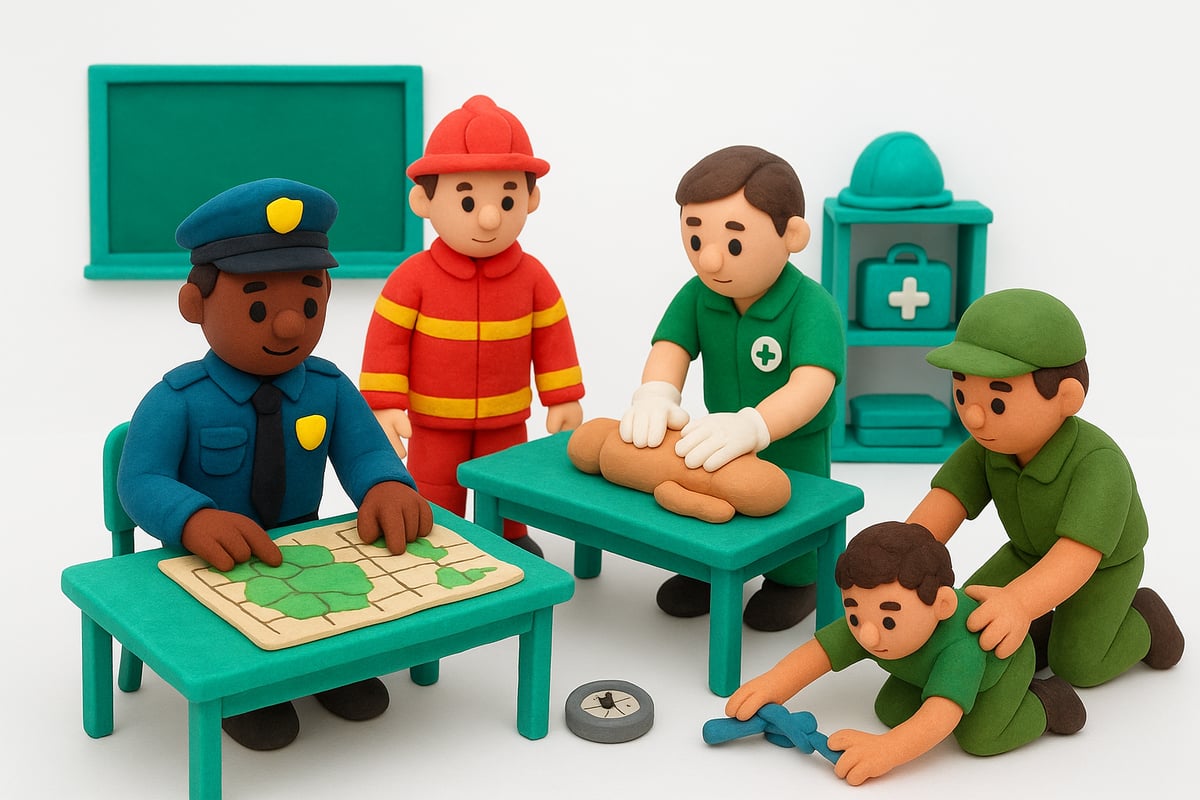
A services course refers to an educational programme focused on training for public, protective, or uniformed services. These courses cover a wide range of subjects, including law, health and safety, leadership, teamwork, and human behaviour.
There are important distinctions between public services (such as police, ambulance, and fire), protective services (border force, security), and uniformed services (military, prison, and emergency response). Each pathway has its own emphasis, but all share a commitment to developing skills required for high-pressure and community-focused roles.
Qualifications like NCFE and BTEC Diplomas, as well as T Levels in Public Services, are common options. These recognised qualifications help learners progress towards careers in policing, the armed forces, the fire and rescue service, or security operations.
Types of Services Courses
A services course can be studied in various formats to suit individual needs. Options include full-time, part-time, apprenticeships, and adult education. There are courses at different levels, from entry-level (Level 1) up to advanced (Level 5) and higher education diplomas.
Short courses, taster sessions, and micro-credentials are also available for those wanting to build specific skills or gain an introduction. For instance, you might find a Level 1 Diploma for Entry to Uniformed Services or a Level 3 Extended Diploma. Many colleges, such as Sandwell and Uxbridge, offer a wide range of options, with progression routes to university or employment.
To see a practical example of course structure and progression, you can explore the Public Services Level 2 course at USP College.
Who Should Consider a Services Course?
A services course is ideal for school leavers eager to start a career in public or uniformed services. It also suits adults considering a career change or seeking professional development in these fields. The courses attract a diverse cohort, including those aiming for UK-based or international roles.
Key personal qualities for success include leadership, teamwork, discipline, physical fitness, and adaptability. Whether your ambition is to join the police, armed forces, paramedic service, or border force, a services course provides the foundation you need.
These programmes are designed to be inclusive, welcoming learners from all backgrounds and supporting a wide range of career aspirations.
Key Benefits and Outcomes
Completing a services course equips students with a host of transferrable skills. Communication, problem-solving, and decision-making are at the heart of the curriculum. Students are prepared to tackle real-world challenges in demanding settings.
Graduates of a services course enhance their employability across public sector and private sector roles. Opportunities often include outdoor activities, work placements, and engagement with industry professionals. For example, colleges frequently invite guest speakers, organise expeditions, and run practical training scenarios.
Such experiences ensure that learners graduate with confidence, practical ability, and a clear pathway to rewarding careers.
Services Course Structure and Content
A services course is designed to prepare students for challenging and rewarding roles across public and uniformed services. Understanding the structure and content of these programmes is crucial for making an informed decision. Let us break down what you can expect from a typical services course, from core modules to support services.
Core Modules and Curriculum
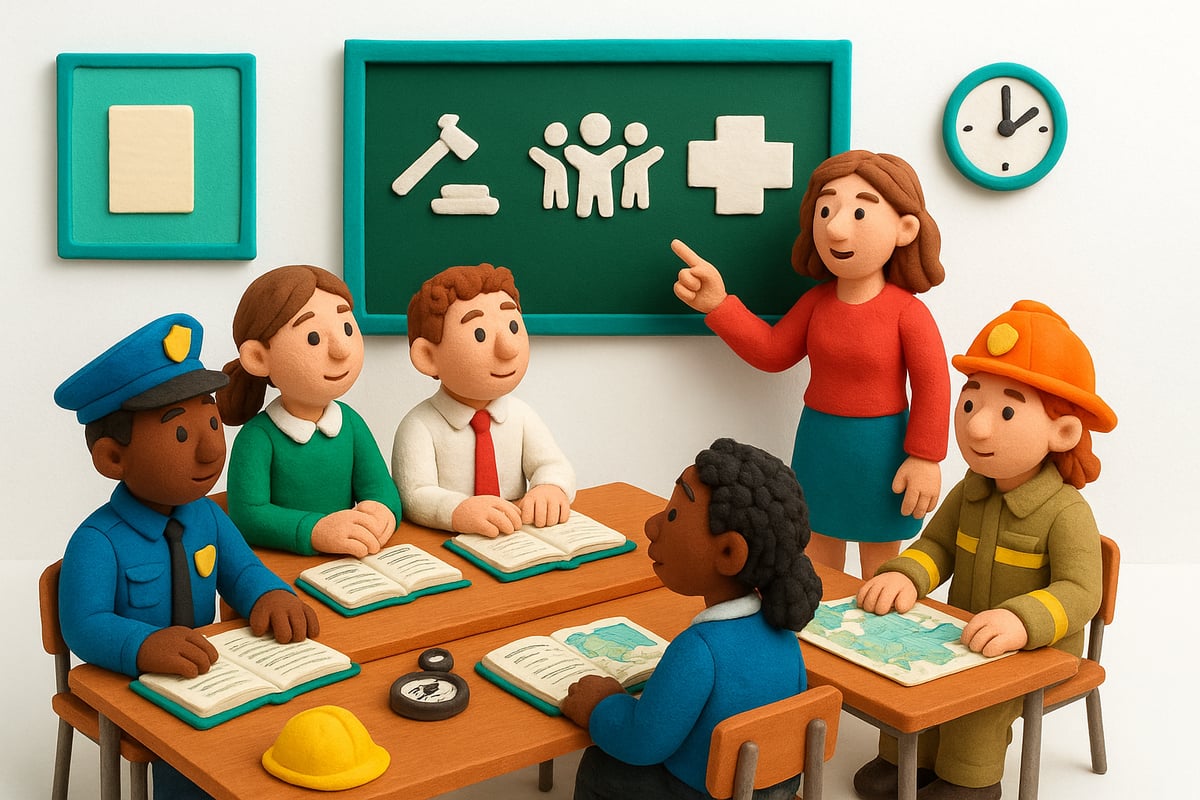
A services course covers a broad spectrum of subjects tailored to public and uniformed service careers. Typical modules include law, human behaviour, emergency planning, fitness, health and safety, and equality and diversity. Programmes blend theory with practical application, ensuring students build both knowledge and experience.
For example, practical sessions might involve map reading, navigation, and first aid training. Many courses also integrate leadership and teamwork skills throughout the curriculum. For those interested in comparing what is covered in a services course to other fields, you can explore all study subjects to see how these modules align with your interests.
Practical Skills Development
Practical experience is at the heart of every services course. Students develop teamwork, leadership, and discipline through a variety of activities. Outdoor expeditions, adventure sports, volunteering, and fundraising projects are often included.
Industry placements and direct engagement with professionals provide invaluable real-world exposure. For instance, visits to prisons and guest speakers from police or fire services offer insights into daily challenges and expectations. The hands-on approach helps students build confidence and adaptability.
Assessment Methods
Assessment in a services course is designed to reflect the realities of public service roles. Students complete a mix of coursework, practical assessments, and written exams. Collaborative group projects and simulations, such as emergency response scenarios, test both technical skills and decision-making.
Physical fitness tests are common, ensuring students meet the demands of service roles. Reflective journals and presentations are also used to evaluate progress. Qualifications like the Emergency First Aid at Work certificate add to employability.
Progression Pathways
A services course offers clear progression routes for ambitious individuals. Graduates can enter employment directly in roles such as police officer, firefighter, member of the armed forces, paramedic, or security staff. Academic progression is also possible, with pathways to higher education including HNC, HND, or degree-level study.
Apprenticeship options exist for those who prefer learning on the job while earning. This flexibility allows students to tailor their journey to match their career ambitions and lifestyle needs.
Entry Requirements and Application Process
Entry requirements for a services course vary by level. Level 1 courses often have open entry, while Level 2 may require basic qualifications. Level 3 typically expects GCSEs in English and Maths at grade 4 or above. Researching providers, attending open days, and preparing a personal statement are important steps.
Applicants may also need to attend an interview or assessment. For example, colleges like Sandwell and Uxbridge require specific GCSE grades for Level 3 programmes. Understanding these requirements early helps applicants prepare a strong application.
Support and Wellbeing Services
Student welfare is a priority within every services course. Programmes offer mentoring, counselling, and safeguarding teams to support learners throughout their studies. Personal tutors provide guidance on academic and personal matters.
Many providers offer 24/7 online support, ensuring emotional wellbeing is addressed. For example, Sandwell College features dedicated safeguarding officers and student-to-student champions, creating a safe and inclusive environment for all.
Qualification Levels and Study Modes Explained
Understanding the different qualification levels and study modes is vital for anyone considering a services course. The UK offers a clear pathway, from entry-level certificates to advanced diplomas and degrees. Each services course level is designed to suit various starting points and ambitions. For example, a Level 3 Diploma is equivalent to three A-Levels and is widely recognised by employers and universities. These levels align with national standards, and you can review which qualifications are officially funded and approved by checking the Qualifications funding approval manual 2025 to 2026. This helps ensure your chosen services course meets your career and academic needs.
Understanding Qualification Levels
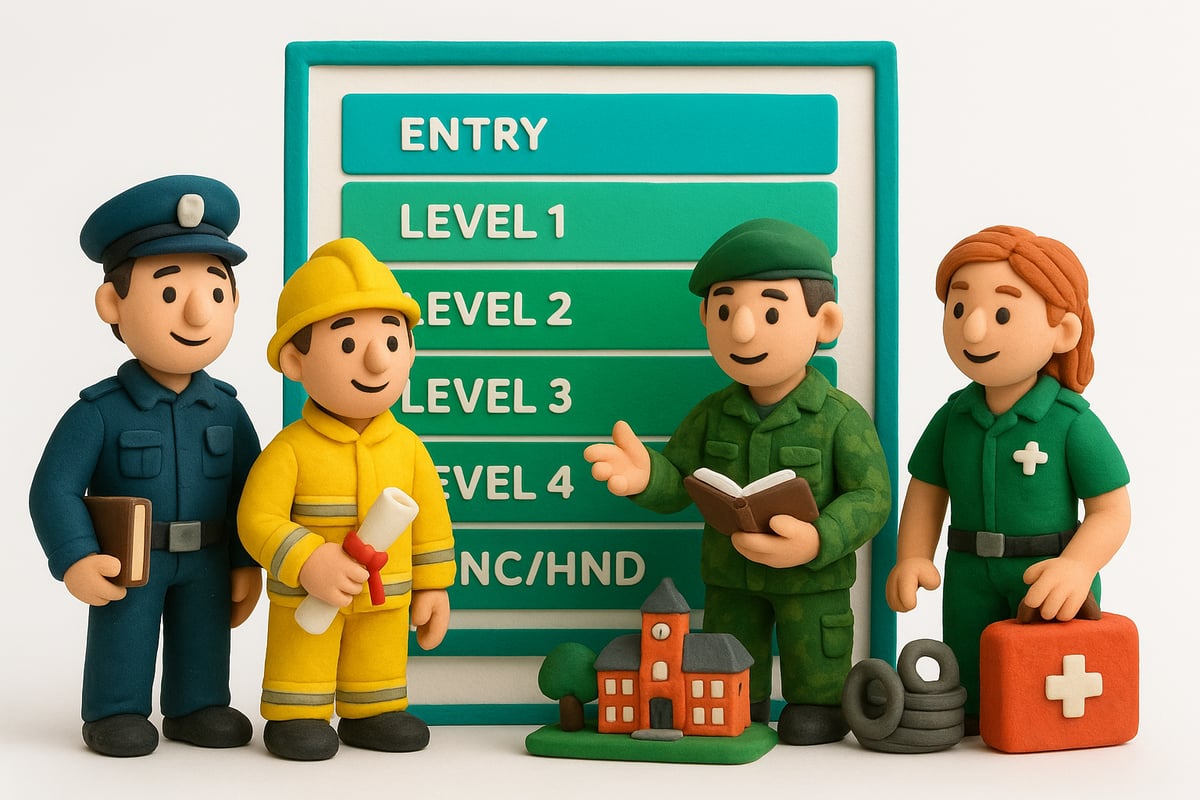
The UK qualification framework for a services course ranges from Entry Level, which is suitable for beginners, up to Level 5, which prepares you for supervisory and management roles. Entry Level and Level 1 introduce basic skills and knowledge, ideal for those new to the sector. Level 2 builds on this foundation, while Level 3 is equivalent to A-Levels and allows for direct progression to university or higher apprenticeships. Levels 4 and 5 include HNCs, HNDs, and foundation degrees, focusing on advanced skills and specialisms for those aiming at leadership roles. Choosing the right services course level depends on your current qualifications and long-term goals.
Study Modes: Full-Time, Part-Time, Apprenticeships
A services course can be studied full-time, part-time, or through an apprenticeship, giving you flexibility to fit learning around your life. Full-time study is immersive and suits those who can commit during the day, while part-time options are perfect for those balancing work or family commitments. Apprenticeships combine employment with structured study, letting you earn while you learn. Many colleges offer both daytime and evening services course options, making it easier for adult learners and those already working in the sector to upskill or retrain.
Higher Education and Specialist Training
After completing a Level 3 services course, you can progress to higher education or specialist training. University degrees in areas such as criminology, emergency planning, or criminal psychology are popular routes. You may also choose specialist services courses in fields like terrorism studies, peacekeeping, or humanitarian response. Colleges like Uxbridge highlight clear pathways from Level 3 to degrees or professional qualifications, ensuring your training is aligned with current industry standards and future employment opportunities.
Funding, Fees, and Financial Support
Funding your services course is an important consideration. Tuition fees vary depending on the level and study mode, with full-time courses often costing more than part-time or apprenticeship routes. However, a range of financial support is available for eligible students, including student loans, bursaries, and grants. Both school leavers and adults returning to study can benefit from dedicated support schemes at colleges like Sandwell and Uxbridge. It’s important to research what funding options you are entitled to before enrolling in a services course.
Facilities and Learning Environment
A high-quality services course should offer access to modern facilities and practical learning environments. Many colleges boast up-to-date campuses, gyms, and specialist equipment for hands-on training. You may also have opportunities to join sports academies or take part in adventure activities, such as expeditions and fitness challenges. For example, Uxbridge provides gym access and sports equipment, while Sandwell is known for its outdoor learning experiences. These resources help you develop practical skills and confidence throughout your services course.
Key Skills and Competencies Gained
Completing a services course provides a well-rounded skillset that employers in public and uniformed services value highly. These programmes are designed to develop not only technical knowledge but also the core personal qualities needed to excel in demanding environments. Let's explore the essential skills and competencies you will gain through your services course journey.

Leadership and Teamwork
A services course places strong emphasis on leadership and teamwork, vital for anyone considering a career in the public or uniformed sector. You will learn to build confidence, manage teams, and develop initiative through real-world scenarios. Group projects and expeditions are common, encouraging you to step up as a leader or support your teammates.
- Leading outdoor expeditions
- Organising community engagement events
- Taking responsibility in group projects
These experiences not only enhance your ability to work collaboratively but also foster discipline and resilience. Teamwork is at the heart of every services course, reflecting the realities of roles in police, fire, or military environments.
Communication and Problem-Solving
Effective communication and sharp problem-solving skills are essential outcomes of a services course. You will practise conveying information clearly under pressure, whether during emergency response scenarios or in classroom discussions. The curriculum includes conflict resolution, negotiation, and decision-making, all of which are tested in critical situations.
Simulated emergencies and teamwork exercises challenge you to think on your feet and respond quickly. By participating in these activities, you will gain confidence in your ability to handle complex problems and communicate solutions effectively, both in writing and face-to-face.
Physical Fitness and Wellbeing
Physical fitness is a core component of every services course. You will undertake regular training sessions, fitness assessments, and health awareness modules to ensure you meet the demands of public service roles. Activities such as rock climbing, kayaking, and expeditions help to build stamina and mental resilience.
- Fitness competitions and challenges
- Access to sports facilities and gyms
- Outdoor adventure activities
By developing your fitness and wellbeing, you will be better prepared for the physical and mental challenges faced in uniformed services. This holistic approach supports both personal growth and long-term employability.
Professionalism and Ethics
Professional conduct and ethical awareness are woven throughout every services course. You will study modules on equality, diversity, safeguarding, and law, ensuring you understand the standards expected in public service. These lessons prepare you to act with integrity and fairness, whatever your chosen career path.
If you are considering a career change or professional development, exploring adult education and training courses can also help you deepen your understanding of these important principles. By mastering professionalism and ethics, you will become a responsible and trusted member of any team, ready to uphold the values of your sector.
Career Opportunities After Completing a Services Course
Completing a services course opens up a diverse range of career opportunities in both public and private sectors. Whether you aim for a frontline uniformed role or wish to progress into specialist positions, the skills and qualifications gained from a services course provide a strong springboard for your future.
Direct Entry Roles in Public and Uniformed Services
A services course is a recognised pathway into a variety of public and uniformed service roles. Graduates often secure positions as police constables, firefighters, armed forces personnel, paramedics, or prison officers. These roles are in high demand, offering structured career progression and competitive salaries.
Here is a quick comparison of typical starting salaries:
| Role | Typical Starting Salary (UK) |
|---|---|
| Police Constable | £28,551 |
| Firefighter | £24,191 |
| Paramedic | £28,407 |
| Prison Officer | £23,226 |
| Security Officer | £18,000–£25,000 |
A services course equips you with practical skills and knowledge valued by employers, ensuring you are job-ready from day one.
Related Private Sector and Security Roles
Not all graduates choose public sector employment. Many use their services course as a foundation for private sector roles in security, event management, or border control. Private security firms, airports, and event venues value the discipline, awareness, and leadership developed during these programmes.
Typical roles include security guard, protective service associate, or border force officer. Employers seek candidates with a background in services course study due to their preparedness for high-pressure environments and commitment to safeguarding the public.
The private sector offers a variety of shifts, locations, and progression routes, making this a flexible and rewarding career option for many.
Progression to Senior and Specialist Positions
A services course can be the gateway to advanced roles such as senior police or fire officers, non-commissioned officers in the armed forces, or specialist positions in emergency planning or criminal psychology. Progression is often supported by further study or work-based qualifications.
Many graduates pursue higher education, for example, enrolling in degrees like the BA (Hons) Public Services at University of South Wales, which can lead to leadership or policy-making positions. Specialist training in areas such as counter-terrorism or humanitarian assistance is also available.
Leadership roles typically offer increased responsibility and higher salaries, rewarding those who build on their services course foundation.
Transferable Skills for Alternative Careers
The skills developed during a services course are highly transferable. Strong teamwork, leadership, communication, and problem-solving abilities are sought after in business, youth work, community support, and education.
Graduates who decide not to pursue a traditional public service route often excel in roles that require resilience and initiative. Many progress to university or move into the private sector, where their services course background sets them apart.
Employers across a range of industries value the practical experience and ethical standards gained through this type of training.
Labour Market Trends and Regional Opportunities
The employment outlook for services course graduates remains strong, with ongoing demand for professionals in emergency services and security roles. Regional data highlights significant opportunities, especially in areas like the West Midlands, where public safety needs are high.
However, competition for senior positions can be intense. For example, there has been a -32% change in UK employment for senior police officers between 2022 and 2025, reflecting a competitive sector.
Keeping up to date with regional trends and continuously developing your skills will help you maximise your career opportunities after completing a services course.
How to Choose the Right Services Course for You
Choosing the right services course can set the foundation for a successful and fulfilling career. With so many options available in 2026, it is essential to make informed decisions that align with your personal goals, interests, and strengths.
Assessing Your Career Goals and Interests
Start by reflecting on your long-term ambitions within the public or uniformed services sector. Are you drawn to the police, fire service, armed forces, ambulance, or security? Each services course will cater to different career paths, so knowing your preferred direction helps narrow your choices.
Consider your personal strengths, such as teamwork, leadership, or physical fitness, and how these align with the demands of your chosen role. Volunteering, taster courses, or speaking with professionals can provide valuable insight. For additional guidance, explore study information and guidance to help clarify your goals and identify the right services course for your aspirations.
Comparing Course Content and Providers
Examine the curriculum of each services course closely. Look for a balanced mix of practical and theoretical modules, including industry placements, guest speakers, and real-world scenarios. Providers like Sandwell and Uxbridge stand out by offering adventure activities and strong employer engagement, which can enhance your learning experience.
Use tables or checklists to compare course elements, such as core subjects, assessment methods, and opportunities for practical experience. Prioritise providers with a proven track record in delivering relevant and up-to-date training for your chosen career.
Checking Accreditation and Quality Standards
Ensure your chosen services course is recognised by reputable awarding bodies like NCFE, BTEC, or Pearson. Accreditation guarantees that the qualification meets industry standards and is valued by employers across the sector.
Review Ofsted ratings and any quality awards the college or training provider has received. For example, Sandwell’s “Good Provider” rating and Uxbridge’s Beacon Awards commendation demonstrate a commitment to high standards and student success.
Making the Most of Open Days and Support Services
Attend open days to get a first-hand feel for the learning environment and support available. Use this time to speak directly with tutors, current students, and careers advisers about the services course.
Take advantage of mentoring, career guidance, and student support services. Many colleges offer personalised advice throughout the application process, helping you make confident decisions. Access to wellbeing and safeguarding teams ensures a supportive environment throughout your studies.
If you’re ready to take the next step towards a rewarding career in public or uniformed services, there’s no better time to start planning your journey. With so many flexible pathways, nationally recognised qualifications, and practical skills on offer, you can tailor your learning to suit your ambitions—whether that’s joining the police, fire service, armed forces, or exploring new areas like AI and technology in education. Let’s make your goals a reality together.
Get ahead now!