The job market is evolving at lightning speed, making it essential to adapt quickly to new demands. To stay ahead, professionals need more than traditional qualifications—they need pathways courses that align with future skills.
Pathways courses are structured learning programmes designed to help you upskill, reskill, and stand out in a competitive landscape. They offer targeted knowledge and practical experience to boost your career trajectory.
In this post, discover eight top pathways courses covering ethics, data literacy, design thinking, global health, leadership, human rights, business, and AI in education. Ready to future-proof your career? Explore your options and take the next step.
Why Pathways Courses Matter for Career Growth in 2026
The modern job market is evolving at an unprecedented pace. Technology, automation, and shifting business needs are transforming what employers look for in candidates. To remain competitive, professionals must actively adapt and embrace continuous learning. Pathways courses provide a strategic route for building future-ready skills and ensuring career longevity. Understanding why these courses matter is essential for anyone looking to thrive in 2026 and beyond.
The Changing Landscape of the Job Market
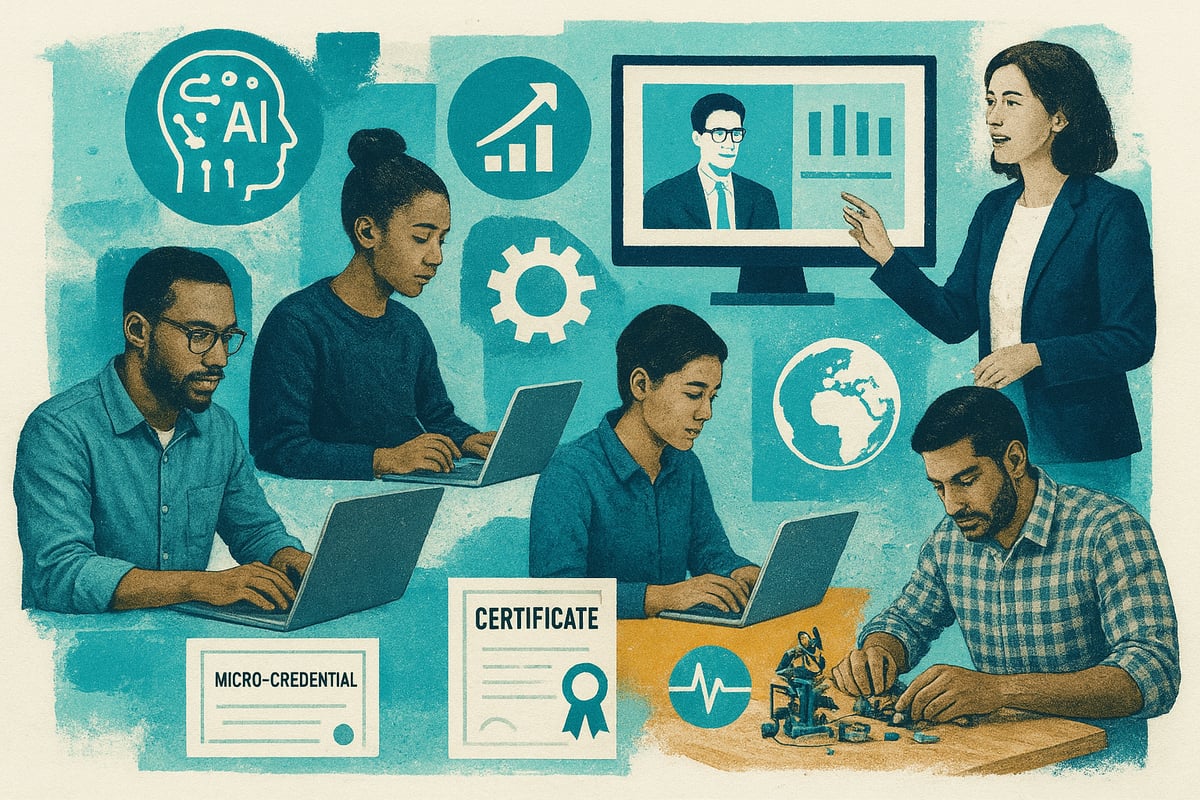
The job market in 2026 is shaped by rapid technological change and evolving employer expectations. Digital transformation, automation, and artificial intelligence are redefining roles across industries. Employers now seek professionals who can blend technical expertise with soft skills and adaptability.
Hybrid roles, such as those combining tech and business knowledge, are on the rise. According to the World Economic Forum’s Future of Jobs Report 2025, 44% of workers' core skills are expected to change by 2027. This shift makes pathways courses a valuable tool for those aiming to stay ahead in a competitive landscape.
How Pathways Courses Bridge Skills Gaps
Pathways courses are structured to address specific skills gaps identified by industry leaders. They offer targeted, flexible learning experiences designed for quick upskilling or reskilling. Instead of broad, generalized education, these courses focus on practical, real-world applications.
For example, business professionals can enroll in digital literacy or AI modules to remain relevant as technology shapes their field. By choosing pathways courses, learners can efficiently close skill gaps and position themselves for emerging opportunities.
Advantages Over Traditional Degree Programmes
Compared to traditional degrees, pathways courses offer several key benefits. They are typically shorter in duration and more focused on industry needs, making them ideal for busy professionals. Stackable micro-credentials allow individuals to build expertise in stages, which employers increasingly recognize.
Additionally, pathways courses are often more affordable and accessible, removing barriers for those seeking career advancement. NZQA-accredited micro-credentials, for instance, have empowered professionals to move forward without committing to years-long degree programmes. Choosing pathways courses is a cost-effective, practical route to career growth.
Who Should Consider Pathways Courses?
Pathways courses are suitable for a wide range of individuals. Early-career professionals can use them to build foundational skills and stand out. Career switchers benefit from targeted learning that opens doors to new industries. Those seeking to future-proof their roles—especially in fields vulnerable to automation—find value in ongoing upskilling.
Busy individuals, such as working parents, appreciate the flexibility that online and part-time pathways courses offer. These courses make it possible to balance work, study, and family while still progressing toward meaningful career goals.
8 Pathways Courses to Boost Your Career in 2026
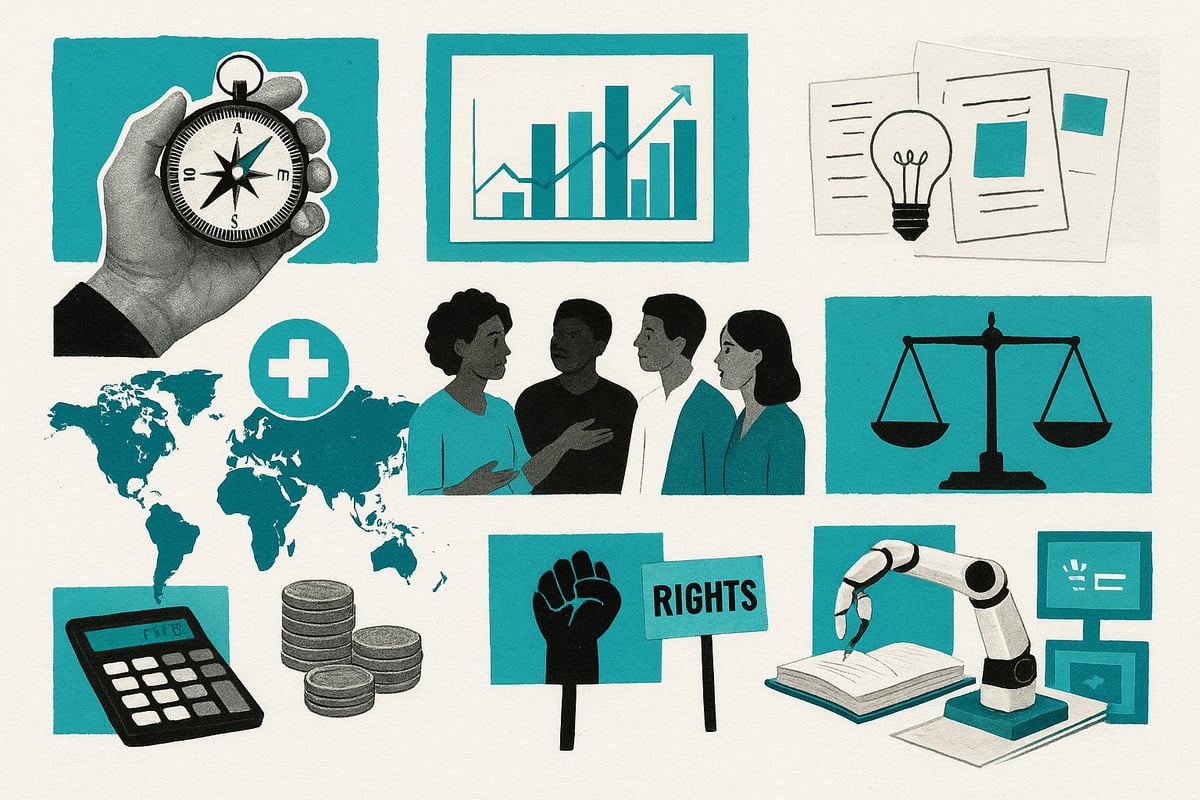
Choosing the right pathways courses can transform your career trajectory. In 2026, staying ahead means continually upskilling in areas that matter. Below, we explore eight pathways courses that are shaping the future of work, each tailored to high-demand industries and emerging skill sets.
1. Applied Ethics for Leadership and Decision-Making
Pathways courses in applied ethics equip professionals to navigate complex workplace dilemmas. As organizations face increasing scrutiny, ethical decision-making becomes a vital skill. This course focuses on real-world scenarios in business, healthcare, and technology, blending theory with practical modules such as case studies and workplace simulations.
Employers in regulated sectors seek candidates who demonstrate strong ethical reasoning. For instance, the Applied Ethics Pathway at Santa Clara University prepares leaders to earn trust and credibility. According to a National Association of Colleges and Employers (NACE) survey, 75% of employers value ethical judgment as a top hiring criterion.
By enrolling in pathways courses on ethics, you position yourself as a reliable leader ready to handle uncertain situations. These skills are in growing demand, especially as AI and automation introduce new ethical challenges. Whether you manage teams or projects, developing ethical frameworks can set you apart.
2. Digital Age: Data Literacy & Information Management
With digital transformation accelerating, data literacy is now essential. Pathways courses in data literacy and information management prepare you to analyze, interpret, and secure digital information. You'll learn about data privacy, cybersecurity, and ethical data use, ensuring you can manage risks and opportunities in the digital era.
Hands-on projects using real datasets build practical expertise. For example, the Digital Age Pathway at Santa Clara University blends technical training with real-world applications, equipping learners for roles in IT, marketing, and analytics.
The Bureau of Labor Statistics projects data-related jobs to grow by 30% by 2026. Organizations seek professionals who can turn data into actionable insights. By completing pathways courses in this area, you gain a competitive edge and help drive digital transformation within your workplace.
3. Design Thinking & Innovation
Innovation is at the heart of business growth. Pathways courses in design thinking foster creative problem-solving and user-centric design. You'll master the art of rapid prototyping, ideation, and iterative testing, skills that are critical in product development, service design, and process improvement.
These pathways courses are used across tech, healthcare, business, and education. For example, the Design Thinking Pathway at Santa Clara University leverages industry case studies to teach practical innovation strategies. According to McKinsey, companies with design-led strategies outperform their peers by nearly 2x in revenue growth.
If you're aiming for roles in UX, product management, or innovation teams, pathways courses in design thinking can help you develop a mindset that drives results. Employers prize professionals who think differently and deliver impactful solutions.
4. Global Health: Addressing Emerging Challenges
Global health is evolving rapidly, with new challenges arising each year. Pathways courses in this domain explore epidemiology, healthcare systems, and public health policy. You will examine issues like pandemic preparedness, mental health, and health equity, all through a global lens.
Real-world case studies, such as COVID-19 response strategies, bring learning to life. The Global Health Pathway at Santa Clara University emphasizes cross-cultural competence and social responsibility. The World Health Organization predicts the global health sector will create 40 million new jobs by 2030.
Pathways courses in global health prepare you for meaningful work in public health, NGOs, and healthcare management. These programmes build both technical knowledge and the empathy needed to address health disparities worldwide.
5. Leading People, Organizations & Social Change
Leadership is more than managing teams; it's about driving meaningful change. Pathways courses focused on leading people and organizations build foundational skills in organizational behavior, team dynamics, and social impact. You'll engage with experiential learning, including community projects and real-world leadership challenges.
The Leading People, Organization & Social Change Pathway at Santa Clara University is designed for future managers and social entrepreneurs. A DDI Global Leadership Forecast reports that 77% of companies see leadership gaps as a critical issue.
By enrolling in these pathways courses, you gain tools to inspire teams and create lasting value. Whether you work in business, non-profits, or government, leadership development is crucial for career advancement and organizational success.
6. Human Rights in a Global World
Understanding human rights is key in today's interconnected world. Pathways courses in this field examine universal rights, legal frameworks, and advocacy strategies. You'll study discrimination, social justice, and global inequalities, preparing for roles in law, policy, or international organizations.
Courses like the Human Rights in a Global World Pathway at Santa Clara University use current events and case law to connect theory with practice. The United Nations notes a rising demand for human rights professionals globally.
Pathways courses in human rights encourage critical thinking and civic engagement. By building expertise in this area, you can make a tangible impact on society while advancing your career.
7. Business and Financial Services Qualifications
Business and finance remain foundational to the global economy. Pathways courses in business and financial services provide essential knowledge in operations, compliance, and customer service. These programmes are aligned with industry standards and regulatory requirements, making them ideal for roles in banking, insurance, and business administration.
A standout example is the NZQA-accredited Financial Services Level 5 at Summit Institute. Learners can stack micro-credentials for ongoing growth. The financial services sector consistently ranks among top employers in New Zealand and worldwide.
To explore more options in this area, you can view Business and financial services courses for a comprehensive look at available pathways courses that support long-term career progression.
8. AI and Technology in Education
As digital tools reshape learning, pathways courses in AI and technology in education are surging in popularity. These programmes teach the integration of artificial intelligence, adaptive learning, and instructional design into modern classrooms. You'll explore trends like ChatGPT, learning analytics, and gamification.
For example, AI in Education micro-credentials at Summit Institute prepare educators and e-learning professionals for the future of teaching. The EdTech market is forecasted to reach $404 billion by 2025, highlighting the demand for skilled professionals in this space.
By enrolling in pathways courses focused on educational technology, you can lead digital transformation efforts and shape the next generation of learners.
How to Choose the Right Pathways Course for Your Career Goals
Choosing the right pathways courses can be a turning point in your professional journey. With so many options available, it's important to use a strategic approach to align your education with your long-term goals. Below, we break down the steps to help you make an informed decision.
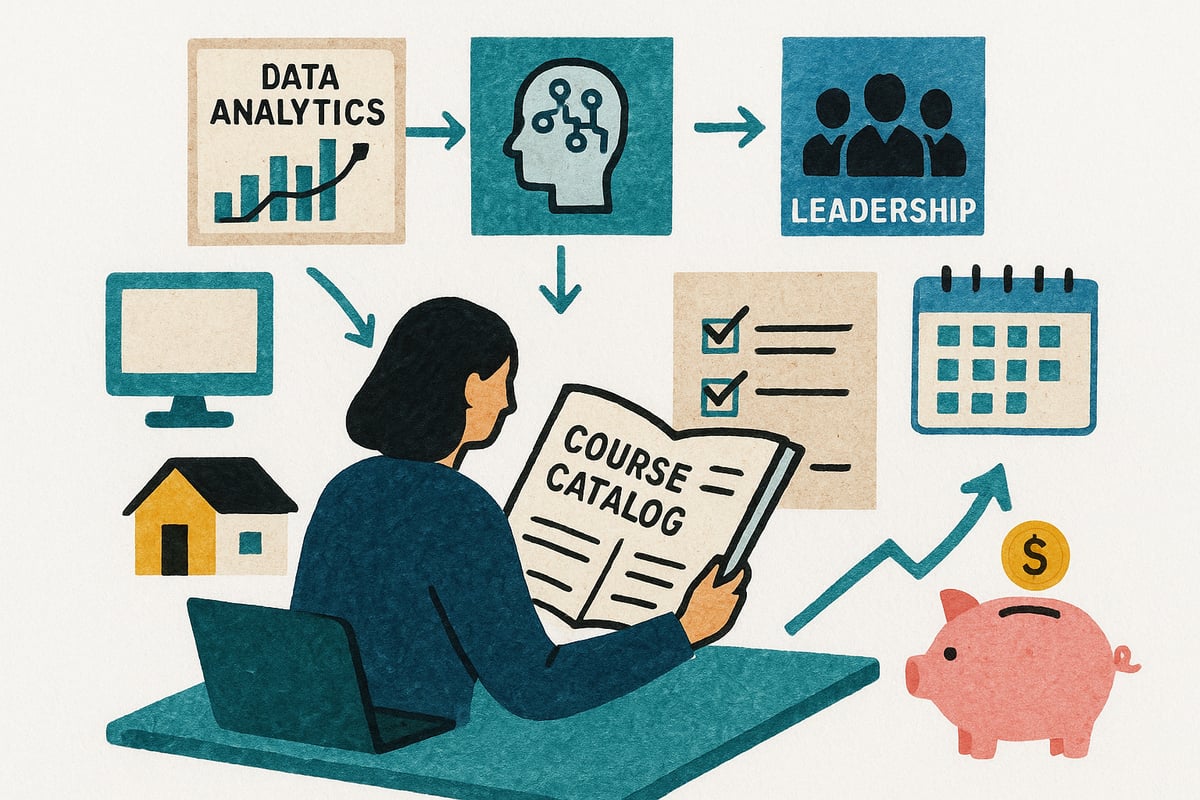
Assessing Your Career Aspirations and Industry Trends
Start by reflecting on your career ambitions and the sectors poised for growth. Research trends in fields like technology, healthcare, and sustainability, as these industries often offer robust opportunities. Pay attention to job listings and employer requirements to spot which skills are frequently requested.
For example, the surge in digital transformation and educational technology is creating new demand for specialized pathways courses in areas such as AI in education. By understanding where the job market is heading, you can focus your learning on pathways courses that align with future opportunities.
Matching Pathways Courses to Your Skill Gaps
Once you have a clear vision of your goals, conduct a personal skills audit. Identify areas where you need improvement or new expertise. Seek feedback from mentors or supervisors to gain external perspectives on your strengths and weaknesses.
Use online assessment tools to map your skills and discover suitable pathways courses. If you need inspiration or want to see the full spectrum of subjects, you can explore all course subjects to find options that address your specific gaps. This targeted approach ensures your investment in pathways courses leads to measurable progress.
Evaluating Course Accreditation and Industry Recognition
Not all pathways courses are created equal, so it is crucial to assess the credibility of the provider. Look for programmes that are accredited by recognized authorities or meet industry standards. Accreditation guarantees that your qualification will be valued by employers and may also open doors to further education.
For instance, selecting a course from an NZQA-accredited provider ensures your pathways courses have both local and international recognition. Always verify the provider's credentials and check for endorsements from professional bodies before enrolling.
Balancing Flexibility, Cost, and Learning Format
Finally, consider how each course fits into your lifestyle and budget. Compare online, blended, and on-campus pathways courses to determine which format supports your learning style and schedule. Review the duration, workload, and overall cost to avoid unexpected challenges.
Look for financial support options such as scholarships or employer sponsorships. Taking the time to explore all course subjects can also help you identify flexible and cost-effective pathways courses that match your personal circumstances. The right balance will make your upskilling journey sustainable and rewarding.
Real-World Success Stories: Pathways Graduates Making Impact
Career growth is best measured by real-world results. Across industries, graduates of pathways courses are making significant strides, transforming their professional journeys and inspiring others to pursue the same. Let us explore how pathways courses create tangible impact, from promotions to building lasting professional communities.

Career Advancement Through Pathways Courses
Many professionals credit pathways courses for accelerating their career progression. For example, a business analyst who completed a digital literacy pathway was able to transition into a data science role within a year, thanks to hands-on projects and industry-recognized micro-credentials.
Another success story comes from a healthcare worker who upskilled through a global health pathway, positioning herself for a leadership role in public health management. These examples show how pathways courses offer practical, focused learning that directly translates into new job opportunities and promotions.
Short, stackable credentials make it possible to upskill quickly and demonstrate value to employers, helping individuals stand out in competitive job markets.
Industry Recognition and Employer Testimonials
Employers increasingly recognize the value of pathways courses graduates. Hiring managers often cite the up-to-date, practical skills these learners bring to the table as a key differentiator. For instance, a major financial services firm noted that candidates with stackable micro-credentials in compliance and risk management adapted faster to evolving regulatory requirements.
Testimonials from HR professionals emphasize that pathways courses signal both initiative and adaptability. They appreciate graduates who can seamlessly integrate new technologies or methodologies into their teams. This employer recognition reinforces the growing reputation of pathways courses as a trusted route to career growth and organizational impact.
Networking and Community Benefits
Pathways courses do more than build skills—they create opportunities to connect with peers and industry experts. Many programmes offer access to alumni networks, mentorship, and career services, providing ongoing support beyond graduation.
For example, graduates of the Adult and tertiary teaching certificate pathway often join professional communities, fostering collaboration and sharing best practices. These relationships open doors to new roles, partnerships, and insights across sectors.
Community engagement and networking are vital advantages of pathways courses, helping learners stay motivated, informed, and connected in their chosen fields.
Lifelong Learning and Continued Professional Development
The journey does not end with a single certificate. Pathways courses are designed for lifelong learning, allowing professionals to stack credentials as industries evolve. This approach prepares individuals to navigate changing job requirements and seize emerging opportunities.
Experts stress the importance of adaptability, especially as the workplace transforms. Initiatives like the World Economic Forum’s Reskilling Revolution Initiative highlight the urgent need for ongoing upskilling to remain competitive. Embracing pathways courses ensures professionals are always ready to learn, grow, and lead in a dynamic job market.
If you’re ready to take control of your future and stand out in a rapidly evolving job market, pathways courses are a smart move. We’ve explored how flexible, industry-recognized programmes—like those at Summit Institute—can help you build real-world skills, from leadership to AI in education, all while fitting around your busy life. Whether you’re looking to upskill, switch careers, or gain a competitive edge, the right pathway can open doors. It’s your chance to shape your career with confidence and purpose.
Get ahead now!