

The future of education is evolving rapidly, and the need for adaptive, student-centred approaches has never been greater. As classrooms become more diverse, educators are searching for innovative methods to meet every learner’s needs.
Pace teaching stands at the forefront of this transformation, offering a flexible way to optimise lesson speed and engagement. In this essential guide, you will discover what pace teaching is, why it matters, and how it is shaping classroom success in 2026.
Explore key principles, proven strategies, and real-world examples that empower you to create more inclusive, dynamic learning environments. Get ready to master pace teaching and lead your students to better outcomes.
Understanding Pace Teaching: Concepts, Principles, and Evolution
The educational landscape in 2026 is shaped by the pressing need for flexible, student-centred learning. At the heart of this shift is pace teaching, an approach designed to optimise lesson speed for better engagement and learning outcomes.
Pace teaching is more than just moving through content quickly or slowly. It means adjusting the tempo of instruction to suit the readiness, interests, and needs of each learner. Unlike traditional time-based instruction, where lessons follow a fixed schedule, pace teaching prioritises responsiveness and adaptability.
Defining Pace Teaching in 2026
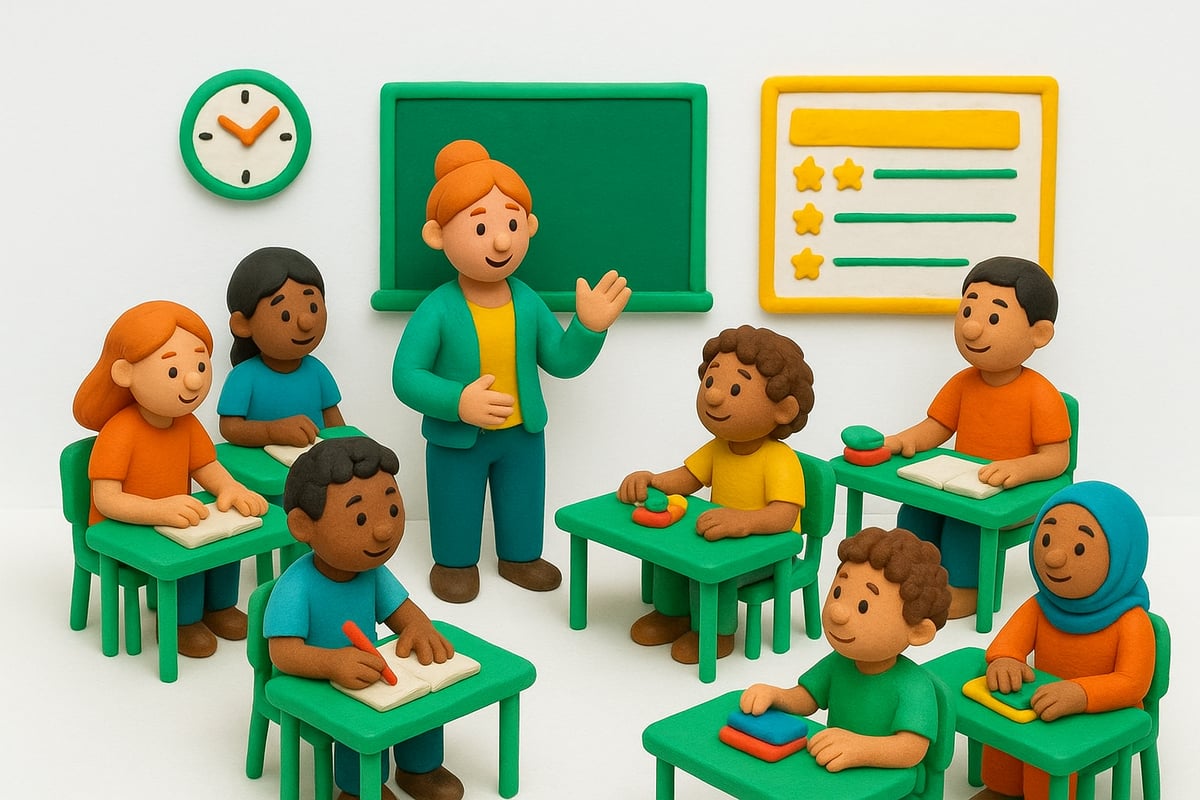
Pace teaching in 2026 is defined by its commitment to balancing lesson speed for optimal student engagement and achievement. This method stands apart from traditional instruction, where teachers typically move all students through material at the same rate, regardless of individual differences.
A core principle of pace teaching is flexibility. Teachers adapt their approach in real time, adjusting explanations, activities, and assessments to align with student progress. This shift supports a more learner-centred environment, where students are active participants rather than passive recipients.
Central to pace teaching is the 4Ps framework:
- Purpose: Clear goals for every lesson.
- Pitch: Adjusting the level of challenge.
- Pace: Modulating the speed to keep students motivated.
- Progress: Monitoring and supporting ongoing development.
In practice, pace teaching fosters discipline and motivation while maintaining an inclusive classroom. For example, in secondary schools, teachers might allow advanced learners to tackle extension tasks while offering targeted support to those needing more time. In primary settings, flexible grouping enables children to move fluidly between activities based on readiness.
Pace teaching is particularly effective for diverse and neurodiverse learners. Differentiation strategies, such as scaffolded instructions and varied task completion times, ensure that all students can access learning at a pace that suits them. This approach not only addresses academic needs but also supports confidence and participation, building a positive classroom culture.
Historical Development and Emerging Trends
The journey to pace teaching has evolved over decades. Initially, rigid curricula and standardised pacing left little room for individualisation. However, educational research and practice have steadily moved towards more adaptive, responsive teaching models.
Holistic and trauma-informed frameworks, such as PACE (Playfulness, Acceptance, Curiosity, Empathy), have influenced this evolution. These approaches emphasise the importance of emotional safety and student agency, which are closely aligned with the principles of pace teaching.
Recent trends include the widespread use of formative assessment, personalised learning pathways, and strategies that develop metacognitive skills. Teachers now use regular check-ins, self-assessment, and feedback loops to fine-tune lesson pace based on real-time student data.
The impact of COVID-19 and the rise of remote learning accelerated the adoption of pace teaching methodologies. Educators were compelled to rethink pacing, using digital tools to monitor progress and adjust instruction accordingly. According to industry reports, the adoption of adaptive learning platforms has increased significantly, with higher education and K-12 sectors embracing personalised solutions.
The integration of technology has been pivotal. Tools powered by artificial intelligence enable teachers to personalise pacing at scale, responding to individual learner needs more precisely than ever before. For a deeper look at how AI is shaping this landscape, see Fundamentals of AI in Education.
Pace teaching continues to evolve, driven by research, technology, and a growing recognition of the diverse needs within every classroom. This ongoing transformation promises a more inclusive, effective, and fulfilling educational experience for all.
The Benefits of Pace Teaching for Students and Educators
Adopting pace teaching in today’s classrooms creates significant advantages for both students and educators. By adjusting lesson speed to match learners’ needs, pace teaching fosters engagement, deepens understanding, and enhances classroom culture. This section explores the key benefits, from academic gains to emotional well-being and professional satisfaction.

Enhanced Engagement and Motivation
Pace teaching plays a vital role in keeping students actively engaged. By adjusting instructional speed, teachers can prevent passivity and reduce boredom, ensuring every learner remains attentive.
When lessons move at the right pace, students are more willing to participate, take risks, and experiment with new ideas. This dynamic learning environment supports greater enthusiasm and curiosity.
A recent study on adaptive learning technologies and student engagement highlights how personalised pacing increases motivation and focus, especially when technology helps monitor and adjust lesson flow. This approach has shown to reduce behavioural issues, as students feel challenged yet supported throughout their learning journey.
Academic Progress and Achievement
Pace teaching directly impacts academic progress by supporting mastery and long-term retention. By tailoring lesson speed, teachers can introduce “desirable difficulties” that deepen learning, as outlined by Bjork & Bjork (2011).
Formative assessment is central to pace teaching, allowing educators to check understanding and adjust the pace accordingly. This ensures that students have time to consolidate knowledge before moving forward, which leads to stronger achievement and knowledge transfer.
Classrooms that use pace teaching strategies often see improved test results and greater readiness for future learning, as students are less likely to fall behind or feel overwhelmed by rigid schedules.
Emotional Well-being and Classroom Culture
A thoughtfully paced classroom helps reduce anxiety and supports the emotional well-being of all students, including those affected by trauma. Pace teaching allows teachers to create safe, supportive spaces where learners feel comfortable expressing themselves.
By responding to individual needs, pace teaching promotes a welcoming environment and fosters mutual respect among students. This approach has been linked to lower absenteeism rates and improved classroom morale, as students experience less stress and greater emotional security.
Teacher Satisfaction and Professional Growth
Pace teaching offers significant benefits for educators, too. With greater flexibility in lesson planning and delivery, teachers experience improved classroom management and reduced stress.
This adaptive approach empowers teachers to respond to real-time feedback, making their work more dynamic and fulfilling. Many educators report higher job satisfaction and a stronger sense of professional purpose when using pace teaching methods.
Professional development opportunities in pace teaching encourage continuous growth, collaboration with colleagues, and the sharing of best practices, all of which contribute to a healthier, more effective school culture.
Core Strategies for Effective Pace Teaching in 2026
Adopting core strategies is essential to harness the full potential of pace teaching in modern classrooms. These approaches empower educators to create dynamic, inclusive, and adaptive learning experiences that respond to the evolving needs of both students and curricula.
Creating a Supportive Learning Environment
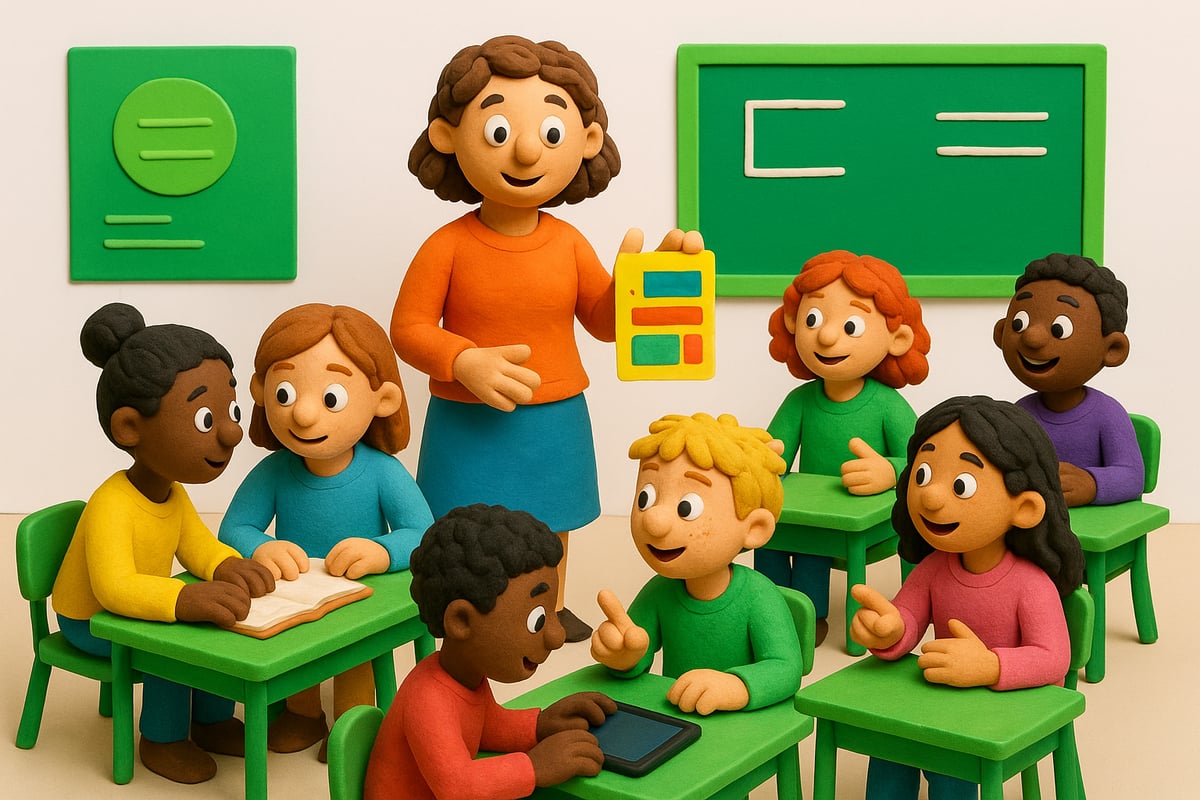
Establishing a supportive environment is foundational for effective pace teaching. A well-structured classroom, both physically and emotionally, sets the tone for positive interactions and sustained engagement.
Begin by greeting students by name and fostering routines that promote predictability. Clear expectations help students understand what is required and feel secure. Incorporate visual cues, such as classroom agreements or value statements, to reinforce a sense of belonging.
Encourage open communication. Allow students to share thoughts and feelings, promoting trust and mutual respect. This approach not only supports pace teaching but also reduces anxiety and behavioural challenges.
A culture rooted in respect and inclusivity ensures all learners can thrive. When students feel valued, they are more likely to participate, take risks, and embrace the tailored pace of instruction.
Planning and Structuring Lessons for Optimal Pace
Thoughtful lesson planning is at the heart of pace teaching. Start by defining clear objectives and outcomes for each session. This clarity allows lessons to be purpose-driven and measurable.
Sequence activities to move from teacher-led instruction to student-owned exploration. Begin with direct modelling or demonstration, then gradually hand over responsibility through group work or independent tasks. This gradual release supports various learning needs and maintains momentum.
Build in checkpoints for feedback and reflection. Use quick formative assessments, such as mini-quizzes or exit slips, to monitor understanding. Adjust the lesson pace as needed, allowing flexibility for reteaching or acceleration.
Scaffold learning by breaking complex tasks into manageable steps. Provide support early on, then reduce it as students gain confidence. This structured approach helps maintain optimal pace teaching while supporting student autonomy.
Modelling, Explanation, and Questioning Techniques
Effective modelling and explanation are vital techniques in pace teaching. Use clear, concise language when introducing new concepts. Demonstrate excellence by showing examples, highlighting both the process and the final product.
Employ the "thinking aloud" strategy to make cognitive processes visible. Verbalising your thought process helps students internalise problem-solving approaches and boosts metacognitive skills.
Questioning is a powerful tool to maintain engagement and assess understanding. Use a mix of open and closed questions to challenge students and promote critical thinking. Encourage students to ask their own questions, fostering curiosity and deeper learning.
Regularly check for understanding through targeted prompts. This allows for real-time adjustments in pace teaching, ensuring that all students are progressing appropriately.
Incorporating Playfulness, Acceptance, Curiosity, and Empathy (PACE)
Integrating playfulness, acceptance, curiosity, and empathy transforms classroom culture and supports pace teaching. A playful atmosphere makes learning enjoyable and reduces the fear of failure.
Introduce light-hearted elements, such as a "Joke of the Day" or a compliment board. These activities foster positive relationships and create a welcoming environment. Acceptance is demonstrated by acknowledging each student's unique strengths and challenges, making everyone feel seen and supported.
Curiosity-driven projects spark engagement. Allow students to pursue topics of interest within the curriculum, encouraging exploration and ownership of learning. Empathy is cultivated through group discussions, circle time, and collaborative problem-solving.
These PACE principles underpin pace teaching by promoting risk-taking, resilience, and a sense of community among learners.
Adjusting Pace for Diverse Learners
Adapting pace teaching for diverse learners is essential to ensure equity and success. Differentiation strategies help meet the varied needs of neurodiverse, EAL, and SEN students.
Group students flexibly based on readiness, interests, or learning profiles. Allow for extended time or alternative formats for task completion. Use visual supports, scaffolds, and technology to provide personalised pathways.
Gamified learning approaches can be especially beneficial for neurodivergent students, enhancing motivation and focus through goal-oriented tasks. For more on this, see Gamification in Learning for Neurodivergent Students.
Encourage students to self-assess and reflect on their progress. This empowers them to advocate for their preferred pace and learning style. By embedding these strategies, pace teaching becomes an inclusive practice that supports all students in reaching their potential.
Integrating Technology and Data in Pace Teaching
Technology is revolutionising pace teaching in classrooms, providing educators with new ways to personalise instruction and respond to each student’s learning journey. The integration of digital tools and data-driven insights is enabling teachers to adapt lesson speed, ensuring that no learner is left behind and everyone is challenged appropriately.

Leveraging EdTech Tools for Personalised Pacing
EdTech tools are at the forefront of pace teaching in 2026, giving teachers the ability to adjust instructional speed for individual learners and groups. Learning management systems (LMS) allow educators to assign differentiated tasks, monitor engagement, and track completion rates in real time. Adaptive learning software analyses student responses and automatically tailors the difficulty or pace of activities, helping each learner progress at the most suitable speed.
For example, a secondary school maths teacher might use an adaptive platform that increases question complexity as students demonstrate mastery or slows down for those needing more support. These tools can also send automated alerts when students consistently finish early or struggle to keep up, allowing teachers to intervene promptly.
The adoption of such technology is not limited to one sector. According to the Adaptive Learning Market Growth Forecast, the use of personalised learning platforms is expanding rapidly across both K-12 and higher education, reflecting a strong trend towards technology-enabled pace teaching.
Teachers are also leveraging interactive whiteboards, online collaboration spaces, and gamified learning environments to keep students motivated and engaged. These resources provide instant feedback, foster competition or cooperation, and encourage self-regulation, all of which are vital in pace teaching.
Using Data to Inform and Adjust Pace
Data is the backbone of effective pace teaching, offering teachers a window into how students are progressing and where adjustments are needed. By collecting and analysing both formative and summative data, educators can make informed decisions about lesson pacing and differentiation.
Formative assessment tools such as exit tickets, online quizzes, and digital polls provide immediate feedback on student understanding. Progress dashboards, often integrated within LMS, help visualise trends in real time, showing which students are thriving and who may require additional support. This enables teachers to reteach concepts, accelerate learning, or adjust groupings as needed.
Student self-assessment is another powerful tool in pace teaching. When learners reflect on their progress through journals, surveys, or digital portfolios, they become active participants in their own learning. This metacognitive approach encourages ownership and helps students communicate their needs, further supporting personalised pacing.
In practice, a primary teacher might use quick online quizzes at the end of a lesson to gauge comprehension. Based on results, the teacher can group students for targeted activities or provide extension tasks for those ready to move ahead. This responsive use of data is central to pace teaching and helps create a more inclusive classroom environment.
Addressing Challenges and Risks of Technology Integration
While technology brings significant benefits to pace teaching, it also introduces several challenges that educators must address. One major concern is the risk of over-reliance on digital tools, which can sometimes overshadow the importance of human connection and professional judgement. Teachers should view technology as a support, not a replacement, for high-quality teaching.
Digital equity is another critical issue. Not all students have the same access to devices or reliable internet, which can widen achievement gaps if not carefully managed. Schools must ensure that all learners can participate fully in digital pace teaching initiatives, providing resources or alternative solutions where necessary.
Data privacy must also be prioritised. With increased collection of student information, schools need robust policies to protect sensitive data and comply with regulations. Teachers should be transparent with students and families about how data is used to inform pace teaching.
Best practices for responsible integration include ongoing teacher training, clear communication of expectations, and regular evaluation of technology’s impact on learning outcomes. By approaching technology thoughtfully, educators can maximise the benefits of pace teaching while minimising its risks.
Professional Development and Whole-School Approaches to Pace Teaching
Adopting pace teaching requires educators to continually refine their skills and adapt to evolving classroom needs. Professional development is vital, ensuring teachers remain confident and effective as they implement new strategies. When schools invest in robust training and a collaborative culture, the benefits of pace teaching can be realised across the entire learning community.
Training and Supporting Educators
Effective pace teaching begins with a commitment to ongoing professional growth. Teachers benefit from structured training opportunities such as workshops, peer observation, and coaching sessions. These experiences provide practical tools for adjusting lesson speed, differentiating instruction, and recognising student cues.
Formal qualifications also play a significant role. For example, programmes like the Certificate in Adult and Tertiary Teaching empower educators with research-backed techniques and reflective practice tailored to pace teaching. By engaging with such courses, teachers build confidence in adapting their approach to diverse learners.
Self-care and emotional resilience are equally important. Pace teaching can be demanding, so schools should offer wellbeing initiatives, mentoring, and regular check-ins. When teachers feel supported, they are more likely to experiment with new pacing strategies and sustain high-quality instruction.
Examples of successful initiatives include in-house training days focused on the 4Ps framework, cross-team lesson study groups, and coaching partnerships. These collaborative experiences foster a shared language and vision for pace teaching.
Building a Consistent, Collaborative School Culture
A whole-school approach is essential for embedding pace teaching into everyday practice. Consistency across classrooms helps students feel secure and enables staff to reinforce best practices. Alignment of routines, policies, and values ensures that all learners benefit from a supportive environment.
Collaboration is at the heart of this process. Departments can work together to develop shared resources, observe each other's lessons, and discuss pacing challenges. Regular meetings and professional learning communities promote open dialogue about what works and how to improve.
Using the 4Ps framework as a common reference point, schools can create a unified language that guides lesson planning and classroom interactions. This collective effort leads to greater coherence and impact.
Case studies show that schools prioritising whole-staff training in pace teaching report improved engagement, reduced behaviour issues, and higher teacher morale. When everyone is invested in the same vision, change becomes sustainable and meaningful.
Real-World Examples and Best Practices in Pace Teaching
In 2026, pace teaching is not just a theory—it is transforming classrooms across the globe. Schools are adapting to meet diverse learner needs, and the results are measurable, inspiring, and often life-changing.
Case Studies from UK and International Schools
Case Study 1: Secondary School in Manchester
A large comprehensive school in Manchester adopted pace teaching strategies to address disengagement and low achievement in mixed-ability Year 9 classes. Teachers restructured lessons using the 4Ps framework, focusing on clear purpose, varied pitch, flexible pace, and ongoing progress checks. By integrating regular formative assessments and allowing students to choose acceleration or extra support, teachers noted a 20% improvement in student participation and a marked reduction in behavioural incidents. Pace teaching was credited with making learning more responsive and enjoyable for both students and staff.
Case Study 2: Primary School in Kent
A rural primary school in Kent embraced pace teaching to support neurodiverse and EAL pupils. Staff used playfulness and empathy as cornerstones, introducing activities like “Joke of the Day” and curiosity-driven projects. Lessons were structured with built-in reflection and choice, enabling pupils to revisit concepts or move ahead. Teachers reported higher motivation and a 15% decrease in absenteeism. Parents highlighted improved well-being and confidence in their children, attributing these gains to the adaptive approach of pace teaching.
Case Study 3: International—Flexible Study in New Zealand
At the Summit Institute in New Zealand, pace teaching is embedded within flexible, student-led study pathways. Learners choose modules and progress at their own speed, supported by digital platforms that track mastery and suggest next steps. This model has proven especially effective for adult learners and those balancing studies with work or caregiving. For more on flexible study options and adaptive models, visit Study at Summit Institute. This example demonstrates how pace teaching can thrive beyond traditional school settings, making education accessible and personalised.
Recent innovations include AI-powered approaches, such as audio-based platforms for blind and visually impaired students. These solutions enable pace teaching to be inclusive and tailored, as detailed in the AI-Powered Personalized Learning for Blind Students project, which pioneers accessible, adaptive learning experiences.
Practical Tips and Takeaways for Educators
Drawing from these examples, educators can implement pace teaching with confidence. The following strategies have proven effective across diverse contexts:
- Start with the 4Ps: Clarify purpose, adjust pitch, monitor pace, and check progress regularly.
- Foster a supportive environment: Use routines, welcome students by name, and encourage risk-taking.
- Incorporate formative assessment: Use exit tickets, quizzes, and peer feedback to inform pace.
- Differentiate tasks: Offer choices in activity order, provide scaffolds, and allow flexible deadlines.
- Leverage technology: Use learning platforms to track progress and personalise pacing.
Pace Teaching Toolkit Checklist:
| Strategy | Example | Outcome |
|---|---|---|
| Clear objectives | Lesson aims on board | Focused learning |
| Formative assessment | Exit tickets, quizzes | Real-time feedback |
| Flexible grouping | Mixed-ability, interest-based groups | Peer support |
| Adaptive technology | Learning platforms, audio tools | Personalised pacing |
| Playfulness and empathy | Compliment boards, circle time | Positive culture |
For further inspiration and guidance, explore resources from leading institutes and research on inclusive, adaptive learning. By applying these best practices, educators can make pace teaching a powerful force for progress and well-being in every classroom.
As we look ahead to 2026, it’s clear that adaptive, student-centred teaching methods like pace teaching are reshaping the classroom experience for both educators and learners. By balancing lesson speed, embracing flexible pathways, and harnessing technology, you can create a more inclusive, engaging, and effective learning environment. Whether you’re seeking to refine your teaching strategies or explore nationally recognised qualifications, now is the perfect time to invest in your professional growth. If you’re ready to take the next step towards educational excellence, Get ahead now!