
Are you ready to future-proof your learning and achieve academic success in 2026? The world of education is changing rapidly, presenting new challenges and opportunities for learning students everywhere.
Traditional study methods may no longer be enough as classrooms become more dynamic and competitive. This essential guide provides learning students with proven strategies, actionable insights, and the latest research to help you thrive in this evolving landscape.
Discover how to boost your intrinsic motivation, master effective study habits, adapt to your unique learning style, leverage technology, and develop resilience. Take the first step today to unlock your full potential and secure your place as a next-generation academic leader.
Understanding the Modern Learning Landscape
The landscape for learning students is shifting rapidly as we approach 2026. Education is evolving from a rigid, grade-focused system to a dynamic, holistic environment where growth, technology, and diversity take center stage.
The Shift from Grades to Growth
Traditionally, learning students have been evaluated by grades alone. Yet, leading educators now agree that this narrow focus can limit meaningful development. Research from the Greater Good Science Center (2024) highlights how grade obsession increases anxiety, demotivation, and burnout.
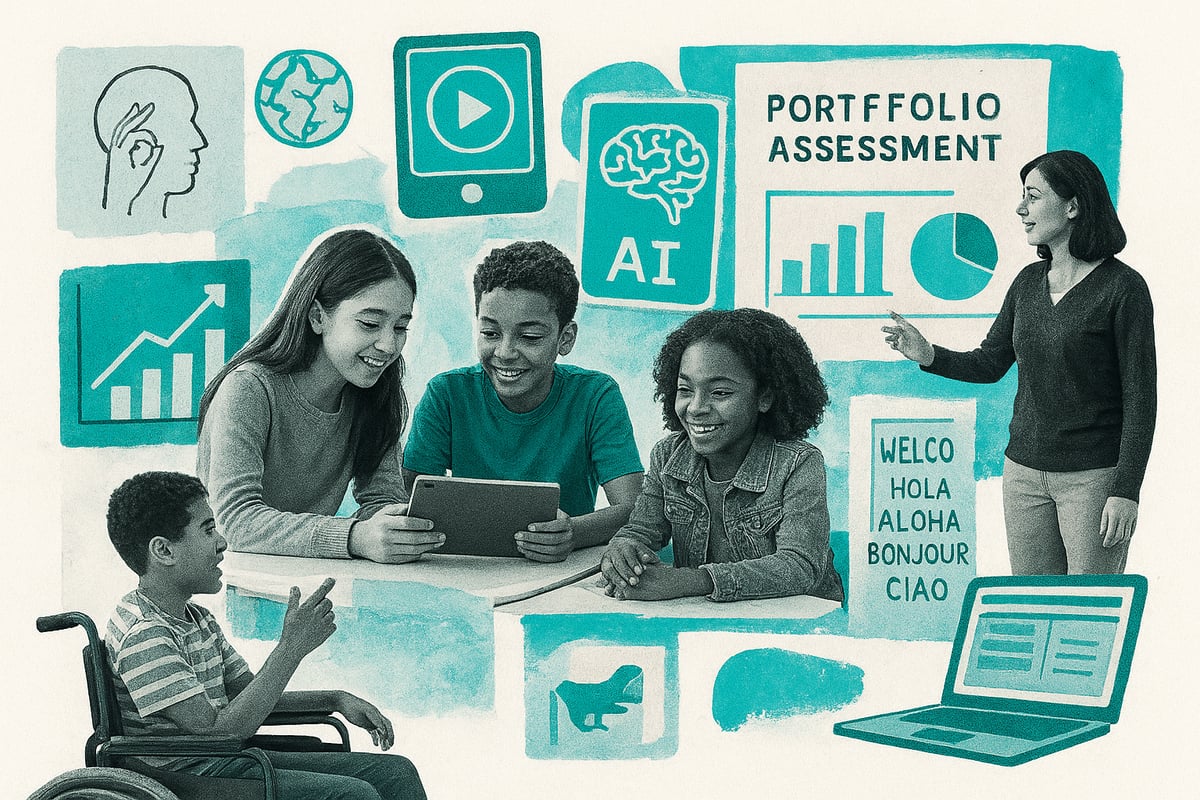
Schools worldwide are adopting more holistic approaches. Portfolio assessments and competency-based learning give students opportunities to demonstrate real-world skills and growth over time. These methods encourage reflection and self-improvement rather than competition.
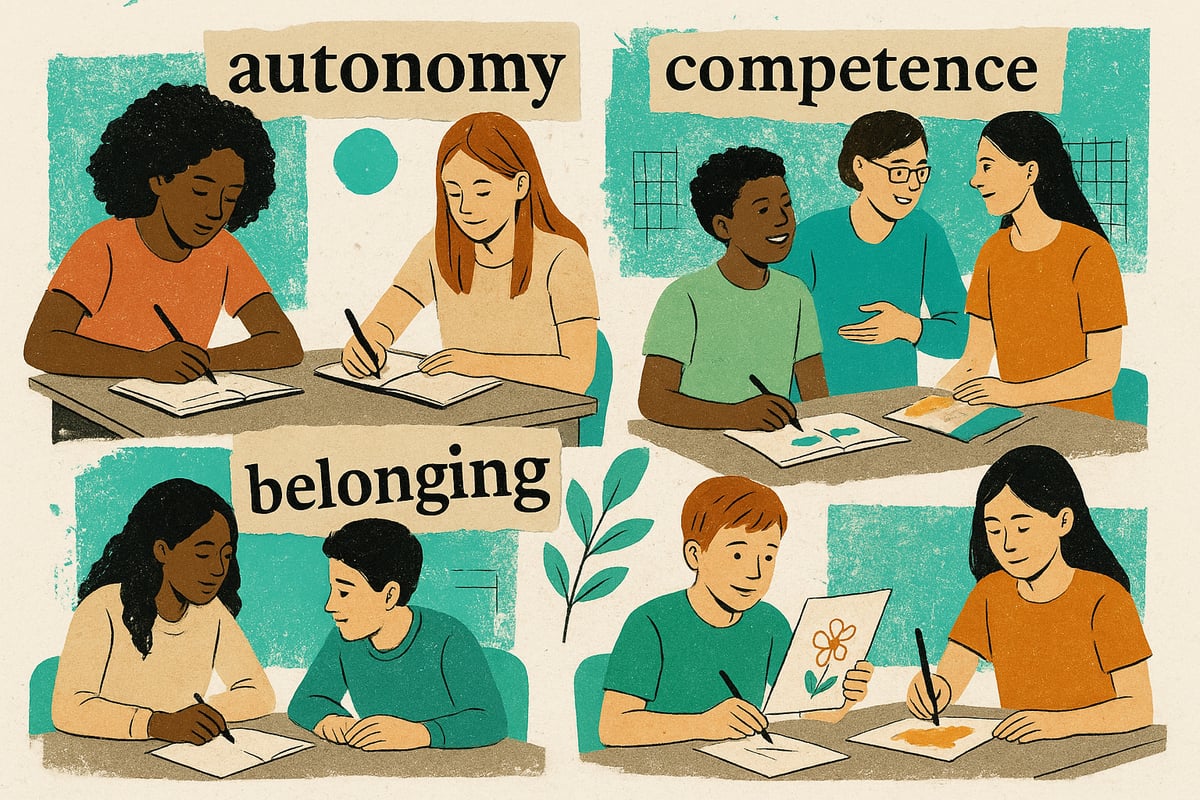
Self-determination theory (SDT) adds further depth, emphasizing autonomy, competence, and relatedness as keys to motivation. When learning students are given choices and support, they are more likely to become lifelong learners. Preparing for 2026 means valuing growth and adaptability, not just academic scores.
The Role of Technology and AI in Learning
Technology is transforming how learning students engage with content and each other. Adaptive platforms and AI-powered tutors can personalize instruction, adjusting in real time to address individual strengths and challenges. Collaboration tools enable students to work together, regardless of location or learning style.
Digital literacy is now a core skill. Navigating online resources, communicating effectively, and protecting personal information are essential for academic and future career success. AI in education is going beyond simple automation. With resources like the Fundamentals of AI in education, students and teachers are learning how intelligent systems can tailor lessons, provide instant feedback, and foster creative problem-solving.
For learning students, embracing these digital tools is not optional. It is fundamental to thriving in the modern classroom and beyond.
The Diversity of Learners in 2026
By 2026, learning students will find themselves in increasingly multicultural, multilingual, and neurodiverse classrooms. The traditional one-size-fits-all approach is no longer effective. Teachers are adopting inclusive strategies to ensure every student can succeed, regardless of background or learning preference.
OECD data shows a steady rise in students with unique learning needs. Classrooms now feature learners who speak multiple languages, come from different cultures, and process information in diverse ways. This diversity enriches the educational experience but also requires thoughtful planning and flexibility.
Inclusive teaching means adapting materials, offering multiple ways to participate, and fostering a sense of belonging. For learning students, this environment supports both academic achievement and personal growth, preparing them to collaborate and innovate in a global society.
Cultivating Intrinsic Motivation for Academic Success
Intrinsic motivation is the driving force that propels learning students to engage deeply with their studies. Unlike extrinsic motivation, which relies on rewards or fear of punishment, intrinsic motivation stems from within. For learning students, this internal drive is crucial for long-term academic achievement and well-being.
Recent research underscores that external controls, such as grades and strict rules, can reduce engagement and joy in learning students. The Self-Determination Theory (SDT) highlights three universal needs—autonomy, competence, and relatedness—that must be met for optimal motivation. To understand why these elements matter for learning students, review the latest findings on Self-Determination Theory in Education.
Why Motivation Matters More Than Ever
For learning students facing the future of education, motivation is more than a buzzword. Intrinsic motivation fuels curiosity, persistence, and genuine enjoyment of learning. When students are motivated from within, they are more likely to overcome setbacks and continue striving for mastery.
Unlike extrinsic motivators, such as grades or prizes, intrinsic motivation encourages learning students to take ownership of their educational journey. This leads to higher satisfaction and improved outcomes. Meeting the needs of autonomy, competence, and relatedness allows learning students to flourish, making motivation a cornerstone of academic success in 2026.
Practical Strategies to Boost Intrinsic Motivation
Fostering intrinsic motivation in learning students starts with understanding their interests and perspectives. Teachers and parents can nurture this drive by encouraging self-directed projects, offering choices in assignments, and connecting tasks to real-world relevance.
Some effective strategies include:
- Allowing learning students to select topics for research or projects
- Providing clear explanations for expectations and assignments
- Creating opportunities for curiosity-driven exploration
A supportive environment where learning students feel safe to take risks and express ideas is essential. When students experience autonomy and competence, their motivation grows naturally.
Creating a Culture of Trust and Belonging
Building trust and a sense of belonging significantly impacts motivation for learning students. Emotional safety helps students feel comfortable sharing ideas and making mistakes, which are critical for growth.
Collaborative learning activities, such as group projects and peer teaching, foster relatedness among learning students. Teachers can promote a positive culture by:
- Facilitating group discussions and pair shares
- Using self-evaluation instead of punitive measures
- Offering specific, positive feedback to reinforce effort
When learning students feel connected to their peers and teachers, their engagement and motivation rise.
Addressing Challenges to Motivation
Not all learning students are intrinsically motivated in every subject or task. Some may struggle with low interest or negative emotions. To support these students, educators should use invitational language, show patience, and acknowledge feelings of frustration.
Modelling perseverance is powerful. When teachers demonstrate self-compassion and persistence, learning students learn to approach challenges with a growth mindset. Strategies such as breaking tasks into manageable steps and celebrating small wins help maintain motivation.
Recognizing that motivation can fluctuate, learning students benefit from consistent encouragement and opportunities to reflect on their progress.
Mastering Effective Study Habits and Time Management
Developing strong study habits and mastering time management are essential for learning students who want to excel in 2026. In an environment filled with distractions and demands, effective routines and strategies can make the difference between thriving and merely surviving. Let’s explore how learning students can build sustainable routines, use proven tools, overcome procrastination, and prioritize well-being for lasting academic success.
Building a Sustainable Study Routine
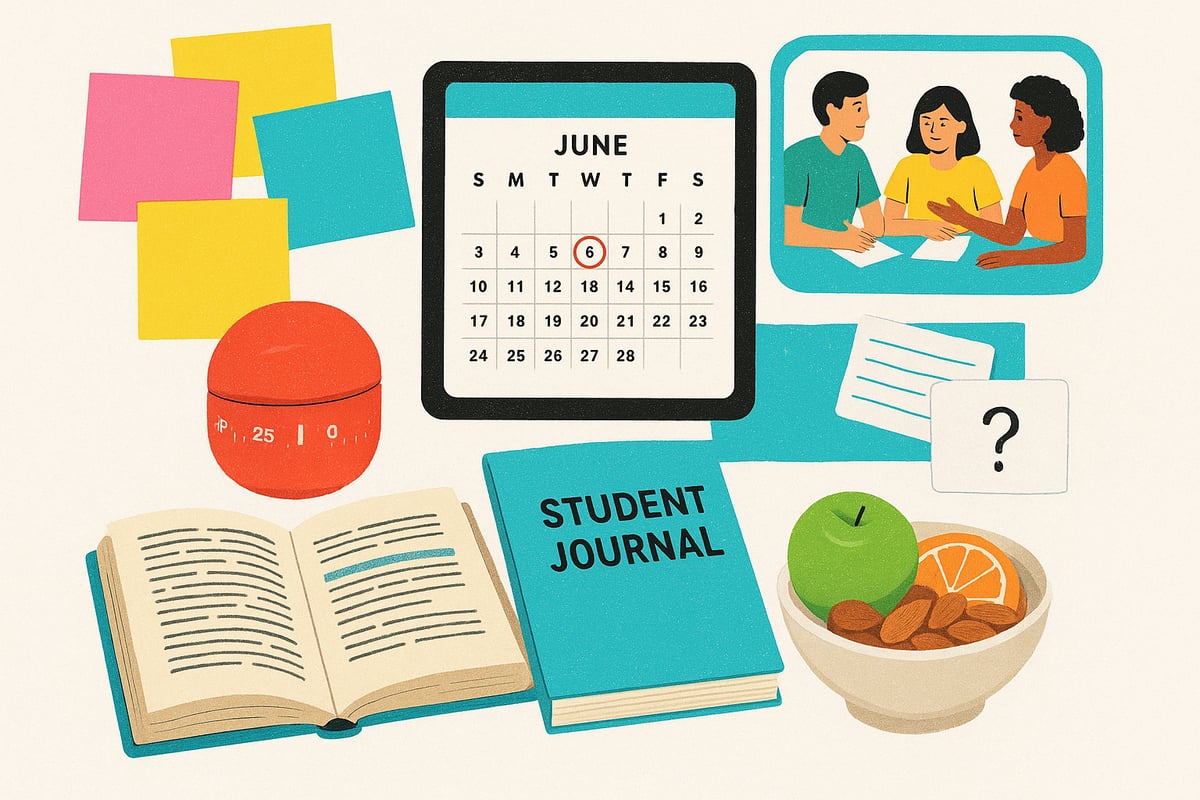
For learning students, consistency is the foundation of academic achievement. Research shows that spaced repetition and distributed practice lead to better long-term retention than cramming. By revisiting material at intervals, learning students reinforce their knowledge and reduce forgetting.
Setting SMART goals—Specific, Measurable, Achievable, Relevant, and Time-bound—helps clarify objectives and track progress. For example, a SMART goal could be: "Review biology notes for 20 minutes daily for two weeks before the exam." This approach gives learning students a clear roadmap and boosts their motivation.
Active recall and self-testing are powerful tools. Instead of passively rereading notes, learning students should quiz themselves or explain concepts in their own words. This strengthens memory and reveals areas needing more focus.
A sample weekly study plan might look like this:
| Day | Activity | Duration |
|---|---|---|
| Monday | Flashcards (Active Recall) | 30 min |
| Wednesday | Group Discussion | 45 min |
| Friday | Practice Test | 60 min |
Regular routines like these help learning students manage their workload and reduce last-minute stress.
Time Management Tools and Techniques
Effective time management is a crucial skill for learning students. The Eisenhower Matrix helps prioritize tasks by urgency and importance, ensuring critical assignments are not overlooked. The Pomodoro Technique, which alternates focused work periods with short breaks, is another favorite among learning students for maintaining concentration.
Digital tools such as calendar apps, task managers, and reminder notifications support organization. For example, Google Calendar or Todoist can help learning students schedule study sessions, track deadlines, and allocate time for extracurriculars.
Balancing academic, personal, and extracurricular commitments is vital. Learning students should review their weekly schedules and adjust as needed to avoid overload. Allocating buffer time for unexpected tasks can also reduce anxiety.
For more insights on how self-management and achievement are closely linked, see this Student Self-Management and Achievement research, which highlights how self-directed approaches empower learning students to reach their goals.
Overcoming Procrastination and Distractions
Procrastination is a common challenge for learning students. Recognizing triggers—such as boredom, fear of failure, or digital distractions—is the first step toward overcoming them. Mindfulness techniques, like focusing on one task at a time, can help learning students resist the urge to multitask.
A digital detox, even for short periods, allows learning students to reclaim focus. Turning off notifications, using website blockers, or studying in a dedicated, clutter-free zone minimizes temptations.
Setting up a distraction-free study environment is essential. This could mean having a tidy desk, noise-cancelling headphones, or a specific playlist for concentration. Small changes in the environment can have a big impact on productivity for learning students.
The Importance of Rest and Well-being
Rest and well-being are often overlooked by learning students but are fundamental to academic success. Research consistently shows that adequate sleep, balanced nutrition, and regular exercise enhance cognitive performance and memory.
During exam periods, mental health can suffer. Schools are increasingly incorporating wellness programmes, teaching learning students stress management, relaxation techniques, and the value of breaks. For example, some institutions schedule mindfulness sessions or encourage outdoor activities to recharge energy levels.
Learning students should prioritize self-care alongside academics. Scheduling downtime, connecting with peers, and seeking support when needed ensures sustained motivation and resilience throughout their educational journey.
Adapting to Diverse Learning Styles and Preferences
Today’s learning students face a world where flexibility and adaptability are critical. The way we approach learning is evolving, and being able to adapt to different styles and preferences is key for academic success. Understanding your unique approach—and being open to new methods—can unlock deeper engagement and help every learner thrive.
Debunking the Myth of Fixed Learning Styles
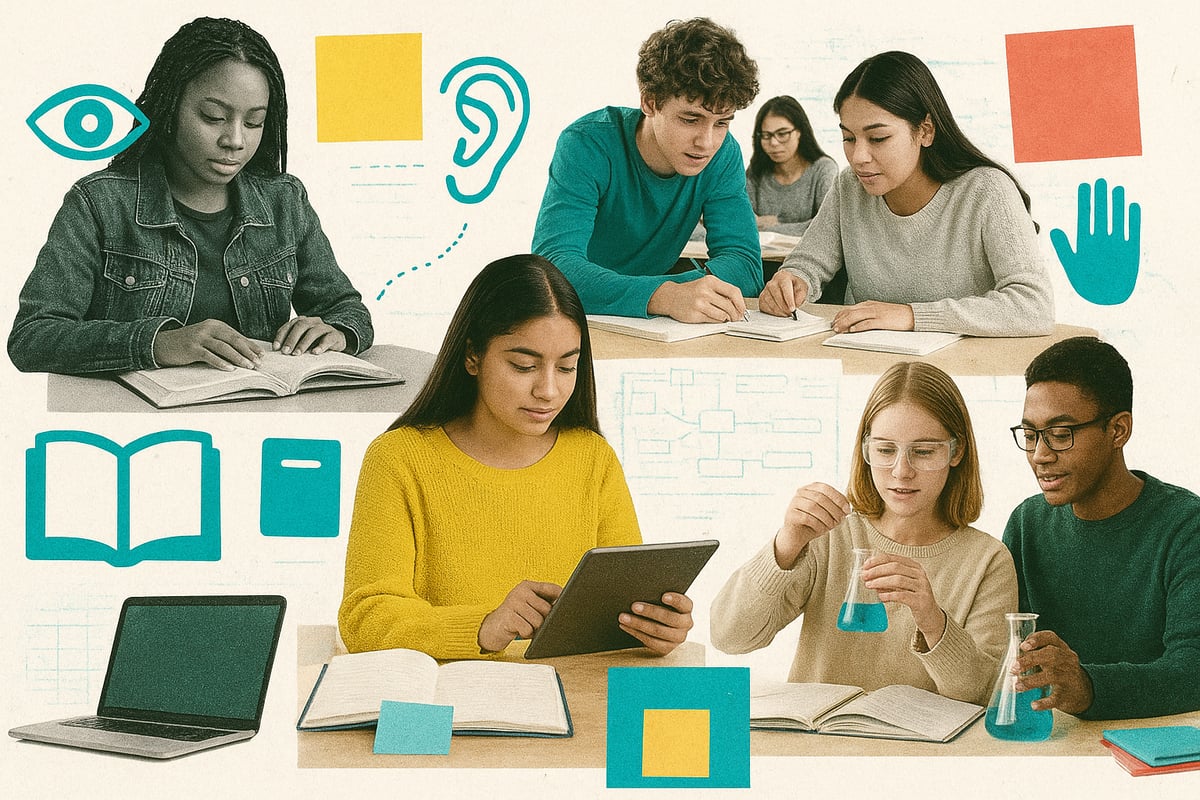
For many years, educators believed that every student had a fixed learning style—visual, auditory, reading/writing, or kinesthetic. However, recent research shows there is little evidence to support the idea that individuals learn best when taught solely in their preferred style. Instead, learning students benefit from a variety of approaches that cater to multiple senses and skills.
| Myth | Reality |
|---|---|
| Everyone has a single best learning style | Most people learn best using a mix of methods |
| Teaching to a preferred style boosts outcomes | No significant evidence supports this claim |
| Learning styles are fixed | Learning preferences can evolve over time |
Recognizing preferences can still help learning students engage, but flexibility is more important than rigid labels. The most effective strategies combine different techniques to support all learners.
The VARK Model and Beyond
The VARK model categorizes learning preferences into four types: Visual, Auditory, Reading/Writing, and Kinesthetic. Although these categories provide a helpful framework, it is essential for learning students to explore beyond a single type. For example, a visual learner may benefit from diagrams and mind maps, while an auditory learner might prefer group discussions or recorded lectures.
Practical strategies include:
- Visual: Color-coded notes, infographics, and charts.
- Auditory: Podcasts, verbal summaries, and collaborative dialogue.
- Reading/Writing: Journals, essays, and written study guides.
- Kinesthetic: Hands-on experiments, role-play, and movement-based activities.
Encouraging learning students to try different techniques can reveal new strengths and keep study sessions engaging.
Holistic and Multimodal Learning Approaches
The most effective learning happens when students integrate multiple senses and methods. Project-based assignments, group collaborations, and blended learning environments combine digital tools with classroom experiences. This holistic approach helps learning students connect concepts, retain information, and develop problem-solving skills.
For those interested in student-centered teaching and learning methods that support diverse learners, the Adult education and training page offers valuable insights and resources. By embracing multimodal strategies, learning students can foster adaptability and resilience, preparing them for any academic challenge.
Examples of multimodal learning include:
- Working on group science experiments.
- Creating presentations that incorporate visuals, speech, and interactive tasks.
- Blending online modules with in-person discussions for a richer experience.
Strategies for Self-Discovery and Adaptation
Every learner’s journey is unique. Learning students should actively reflect on which study techniques work best for them. Keeping a learning journal or using self-assessment checklists can help track progress and identify what methods lead to better understanding.
Steps for self-discovery:
- Try new study techniques regularly.
- Reflect on what helps you remember and apply knowledge.
- Seek feedback from teachers and peers.
- Adjust your approach based on outcomes.
Case studies show that when learning students combine styles and reflect on their experiences, they improve both engagement and results. By staying open to new strategies, every learner can adapt and succeed, no matter the challenge.
Harnessing Technology and Digital Tools for Success
Technology is transforming how learning students approach academic challenges. Embracing the right digital skills and tools is now essential for staying ahead in a rapidly evolving educational landscape.
Essential Digital Skills for 2026 Learners
For learning students, digital fluency is a foundational requirement. Mastering information literacy helps students sift through vast online resources and identify credible sources. Strong online research skills empower students to find and synthesize knowledge efficiently.
Digital communication is another core skill, enabling clear interaction with peers and instructors across platforms. Cybersecurity and privacy awareness protect learning students from threats and ensure safe participation in digital environments.
A well-rounded digital skillset equips students to navigate both academic and real-world challenges confidently.
Top Edtech Tools and Platforms
The variety of educational technology available today offers learning students personalized and engaging experiences. Adaptive learning systems adjust content to individual needs, while AI-powered tutors provide real-time feedback and support. For example, AI Tutors in California Colleges have demonstrated how technology can tailor instruction to each student's pace.
Collaboration platforms foster teamwork on group projects, and apps for note-taking, flashcards, and virtual study groups streamline daily study routines. Choosing the right tools helps learning students maximize productivity and deepen understanding.
| Tool Type | Example Apps | Key Benefits |
|---|---|---|
| Note-Taking | OneNote, Notion | Organization, retention |
| Flashcards | Anki, Quizlet | Active recall, repetition |
| Collaboration | Google Workspace | Teamwork, communication |
Navigating the Challenges of Digital Learning
While technology empowers learning students, it also brings challenges. Excessive screen time can lead to digital fatigue, so setting time limits and taking regular breaks is crucial. Maintaining organization in hybrid or remote environments requires discipline and the use of digital planners or calendar apps.
Productivity tools like Trello and Focus Booster help manage tasks and minimize distractions. Creating dedicated, clutter-free study zones further supports focus for learning students.
By proactively addressing these challenges, students can maintain balance and achieve sustainable success.
Future-Proofing Your Learning with Technology
To thrive in 2026 and beyond, learning students need to stay updated with emerging trends such as AI, virtual reality, and gamification in education. Building a personal toolkit of digital resources, including cloud storage, online libraries, and learning management systems, ensures ongoing adaptability.
Curiosity and willingness to experiment with new tools will keep learning students ahead of the curve. As technology evolves, so too must the strategies for academic and lifelong growth.
Building Resilience, Mindset, and Emotional Intelligence
Building resilience, a growth mindset, and strong emotional intelligence is essential for learning students aiming for academic excellence in 2026. These skills empower students to adapt, persist, and thrive in dynamic educational settings. Let’s explore how learning students can develop these foundational qualities.
The Power of Growth Mindset
Research consistently shows that learning students with a growth mindset outperform those with a fixed mindset. A growth mindset encourages students to see challenges as opportunities to learn, rather than threats to their abilities. This perspective fosters resilience and adaptability, which are crucial for future success.
To cultivate a growth mindset, learning students can:
- Embrace mistakes as part of the learning process.
- Seek feedback and use it constructively.
- Set personal challenges that stretch abilities.
For example, when faced with difficult assignments, learning students can reframe setbacks as valuable lessons. Teachers can support this by modelling perseverance and sharing their own learning journeys. Over time, students who adopt these habits become more willing to try new strategies, ask questions, and persist through obstacles.
Emotional Intelligence in Academic Success
Emotional intelligence is a vital skill for learning students, impacting both academic performance and personal well-being. It involves recognizing, understanding, and managing emotions, as well as building positive relationships with peers and educators.
Key components of emotional intelligence include:
- Self-awareness: Understanding one’s emotions and triggers.
- Empathy: Recognizing and respecting the feelings of others.
- Social skills: Communicating effectively and collaborating in group settings.
For learning students, developing emotional intelligence can lead to better group work, stronger friendships, and a more supportive classroom environment. Schools that prioritize social-emotional learning report improved student engagement and reduced anxiety. For more guidance on building these skills, students can explore general information for learners and utilize available resources.
Coping with Setbacks and Failure
Setbacks and failures are inevitable for all learning students, but how they respond makes a significant difference. Normalizing mistakes as part of the journey encourages resilience and a positive attitude toward growth.
Effective strategies for coping include:
- Reflective journaling to process emotions and identify lessons learned.
- Seeking feedback from teachers and peers for improvement.
- Engaging in peer support groups to share experiences and encouragement.
Case studies have shown that learning students who practice self-compassion and view failure as a learning tool are more likely to recover quickly and maintain motivation. Teachers can facilitate this by creating safe spaces for open dialogue about challenges.
Stress Management and Well-being Practices
Academic demands can be stressful for learning students, especially during exams. Managing stress is key to maintaining both mental and physical health.
Practical well-being practices include:
- Mindfulness exercises like meditation and breathing techniques.
- Regular physical activity and balanced nutrition.
- Accessing support networks, such as counselors and peer groups.
Schools that implement social-emotional learning programmes often see a reduction in student anxiety and improved overall well-being. Prioritizing self-care helps learning students stay focused and resilient.
Long-term Habits for Personal Growth
For sustained success, learning students should set personal development goals alongside academic objectives. Lifelong learning and adaptability are essential in a constantly evolving world.
Long-term habits to foster include:
- Regular self-assessment and goal setting.
- Participation in workshops and enrichment activities.
- Creating a balanced schedule that supports both study and rest.
Exploring study options for students can help learning students find resources that match their interests and growth areas. By building these habits, students prepare themselves for challenges beyond 2026 and lay the foundation for lifelong achievement.
Creating Your Personalized Success Roadmap for 2026
Every journey to academic excellence begins with a clear plan. For learning students aiming to thrive in 2026, creating a personalized roadmap is essential. This approach helps clarify goals, track growth, and adapt to the rapidly changing world of education.
Step-by-Step Action Plan for Students
Start by assessing your strengths, weaknesses, and learning preferences. Learning students benefit from honest self-reflection—consider what subjects excite you most and which areas need improvement. Use self-assessment tools or ask for feedback from teachers and peers.
Next, outline both academic and personal goals for the year. Write them down in a dedicated planner or digital document. This clarity empowers learning students to visualize success and build a foundation for progress.
Finally, design a balanced schedule that includes study, rest, and extracurricular activities. Allocate time for each commitment, ensuring you prioritize both academic responsibilities and personal well-being.
Tracking Progress and Staying Accountable
Consistency is key for learning students. Use journals, checklists, or digital trackers to monitor your growth. Documenting achievements and setbacks helps identify patterns and areas for adjustment.
Peer accountability groups and mentorship programmes can further support your journey. Regular check-ins with a mentor or study group provide motivation and keep you on track. This structure encourages learning students to stay engaged and responsible.
Consider reviewing your progress weekly. Adjust your strategies as needed to ensure continuous improvement and avoid stagnation.
Leveraging Support Systems
No one achieves academic success alone. Learning students should actively engage with teachers, tutors, and family members for support and advice. Build relationships with educators who understand your goals and can guide you through challenges.
Take full advantage of school resources such as libraries, workshops, and online forums. These environments offer access to valuable materials and peer networks. Participation in group study sessions or collaborative projects can also enhance your understanding of complex topics.
Remember, seeking help is a sign of strength, not weakness. Use every available support to maximize your potential.
Staying Motivated and Celebrating Milestones
Motivation fuels long-term achievement for learning students. Celebrate each milestone, no matter how small. Acknowledge progress in both academic and personal areas to maintain enthusiasm and self-confidence.
Set up a rewards system for yourself. For example, after completing a challenging assignment, treat yourself to a favorite activity. Reflect on your achievements regularly and set new, attainable challenges to keep your learning journey fresh and exciting.
Documenting these moments in a journal or sharing them with peers can reinforce positive habits and sustain momentum.
Preparing for the Future Beyond 2026
Academic skills are just one part of the bigger picture. Learning students should focus on translating classroom knowledge into real-world competencies. Embrace adaptability and curiosity as essential traits for lifelong success.
Stay informed about emerging trends in education and technology. For example, exploring AI in STEAM Education can inspire you to integrate cutting-edge tools into your personal learning toolkit. This proactive mindset prepares you for opportunities beyond graduation.
By continuously reflecting, adapting, and growing, learning students can build a resilient foundation for whatever the future holds.
As you reflect on the strategies we've explored—from building intrinsic motivation and effective study habits to embracing technology and adapting to diverse learning preferences—you’re already a step ahead in preparing for 2026. Success isn’t just about grades; it’s about cultivating resilience, digital skills, and a growth mindset that will serve you for life. If you’re ready to put these insights into action and earn qualifications that open real-world opportunities, now’s the perfect time to take the next step. Let’s shape your future together—Get ahead now!
Article written using RankPill.