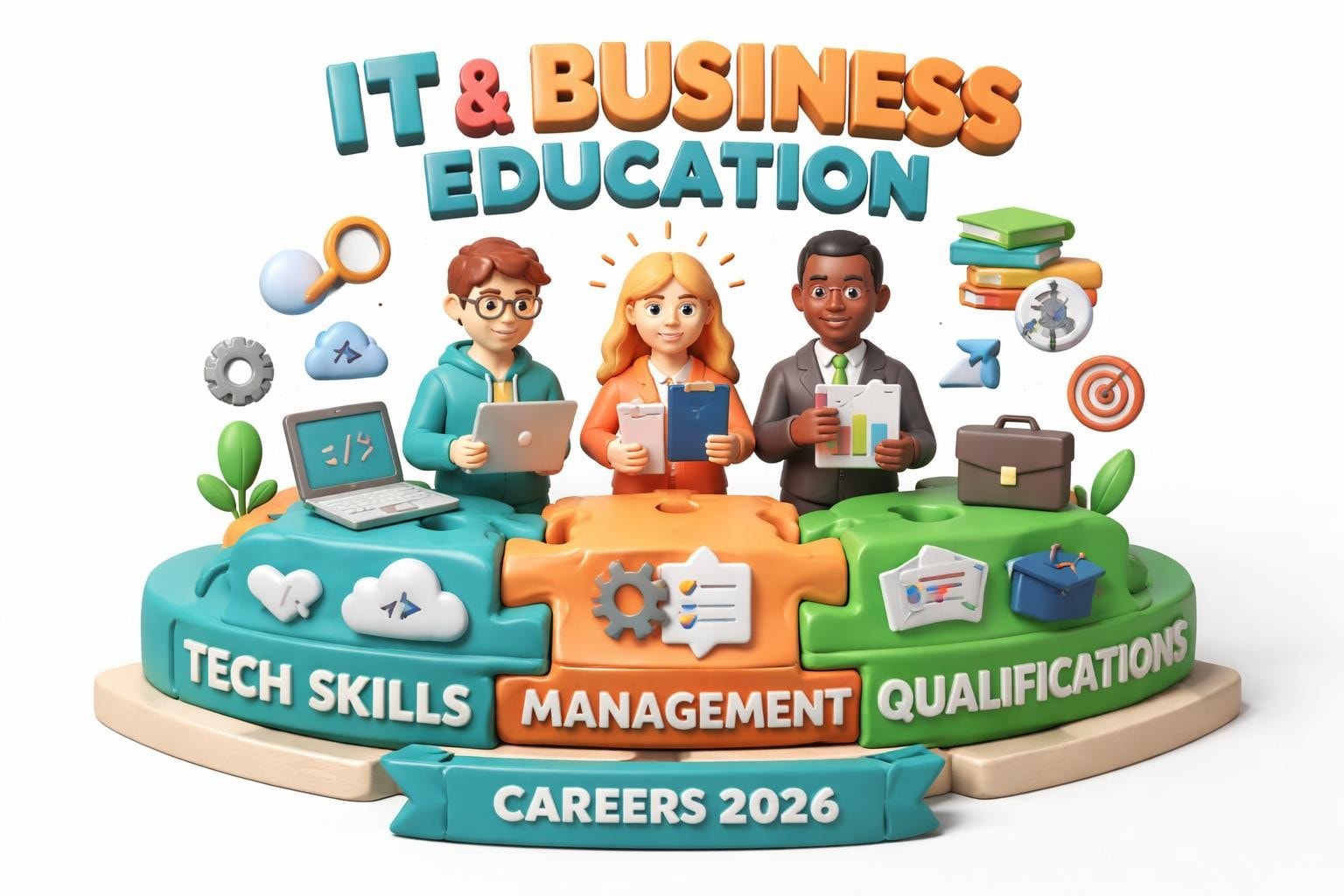
The landscape of professional development has transformed dramatically over the past decade, with technology and commerce becoming increasingly intertwined. Today's workforce demands professionals who understand both the technical infrastructure that powers modern organisations and the business acumen required to drive strategic decisions. This convergence has made it and business courses essential for anyone seeking to advance their career or transition into new roles. Whether you're entering the workforce for the first time, pivoting to a new industry, or upskilling within your current position, the right combination of IT and business education can open doors to opportunities across sectors.
The Evolution of Combined IT and Business Education
The traditional separation between information technology and business management has become obsolete in contemporary workplaces. Modern organisations require professionals who can bridge the gap between technical teams and executive leadership, translating complex IT concepts into business value whilst understanding how technology drives competitive advantage.
Professional training providers have responded to this shift by developing comprehensive programmes that integrate both disciplines. These it and business courses cover everything from foundational digital literacy to advanced certifications in cloud computing, cybersecurity, and financial technology. The business qualifications at Summit Institute exemplify this integrated approach, combining administration, technology, and management skills within nationally recognised frameworks.
Why Dual Competency Matters in 2026
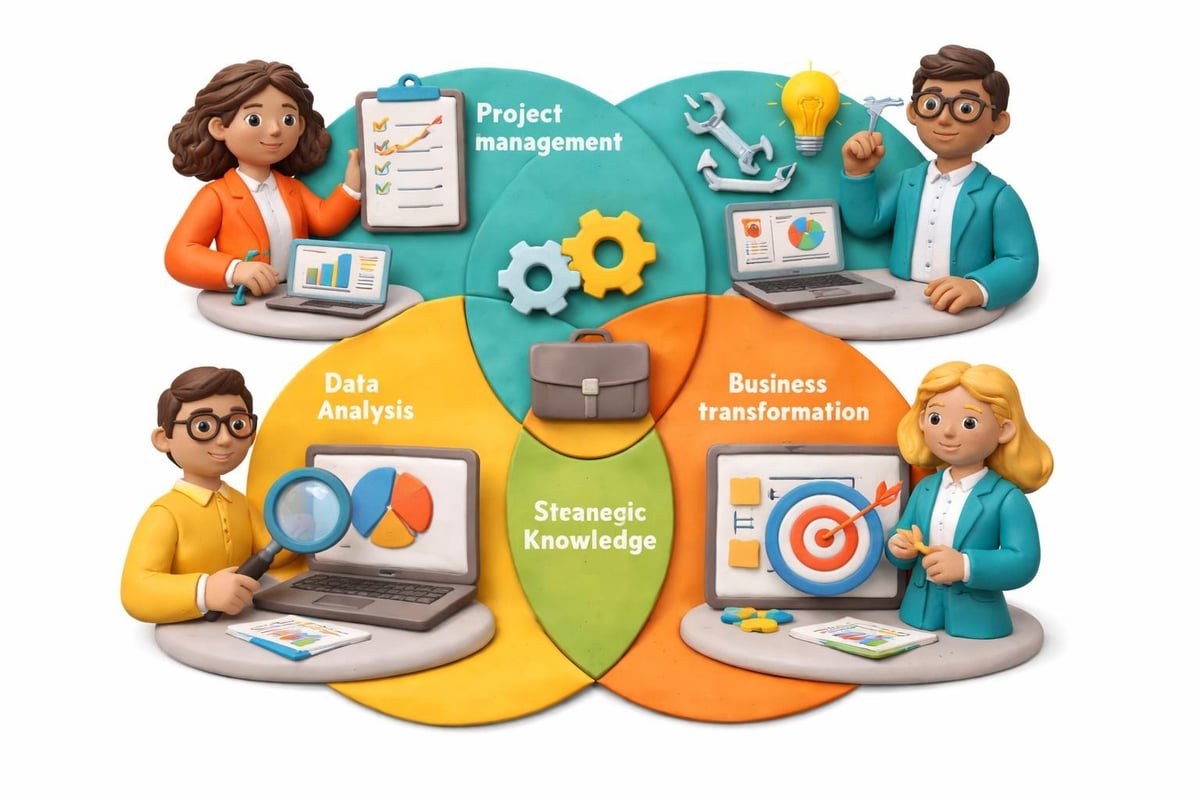
Employers increasingly prioritise candidates who demonstrate versatility across both domains. A business analyst who understands database architecture brings more value than one who relies entirely on IT teams for technical insights. Similarly, a network administrator with financial acumen can better justify infrastructure investments and articulate return on investment to stakeholders.
This dual competency creates tangible career benefits:
- Higher earning potential through expanded role responsibilities
- Greater job security as organisations value multi-skilled professionals
- Accelerated progression into management and leadership positions
- Enhanced problem-solving capabilities across organisational challenges
- Improved collaboration between technical and non-technical teams
Pathways Through NZQA-Accredited Qualifications
New Zealand's qualifications framework provides structured pathways for learners at every stage of their professional journey. NZQA-accredited programmes ensure that it and business courses meet rigorous quality standards and deliver credentials recognised across industries and employers.
The framework operates across multiple levels, each building upon previous knowledge whilst introducing increasingly complex concepts and responsibilities. Level 3 programmes establish foundational skills in business administration and technology, whilst Level 5 diplomas prepare graduates for supervisory and specialist roles requiring independent decision-making.
Certificate Programmes: Building Core Capabilities
Entry-level certificates provide essential skills for administrative and operational positions. The New Zealand Certificate in Business Administration and Technology (Level 3) covers document management, communication technologies, and workplace productivity tools that form the backbone of modern business operations.
As learners progress, Level 4 qualifications introduce more sophisticated concepts including process improvement, project coordination, and technology implementation. These programmes suit professionals transitioning from general administrative roles into positions requiring greater technical competency.
| Qualification Level | Focus Areas | Typical Roles |
|---|---|---|
| Level 3 | Foundational admin, basic IT, communication | Administrative assistants, data entry, customer service |
| Level 4 | Process management, coordination, systems | Coordinators, supervisors, project assistants |
| Level 5 | Strategic thinking, financial analysis, leadership | Team leaders, analysts, department managers |
Diploma Programmes: Developing Strategic Expertise
Diploma-level it and business courses elevate learners into strategic roles where they influence organisational direction. The New Zealand Diploma in Business (Level 5) encompasses financial management, marketing strategies, and operational planning alongside technology integration and digital business models.
These qualifications prepare graduates to manage teams, oversee budgets, and implement technology solutions that align with business objectives. Graduates often move into middle management positions or specialised roles in areas such as business analysis, operations management, or digital transformation.
Specialised Pathways in Financial Services and Technology
Beyond general business education, it and business courses increasingly offer specialised pathways that address specific industry needs. Financial services, in particular, demand professionals who combine regulatory knowledge with technological proficiency.
The financial services qualifications integrate compliance requirements, risk management, and client relationship management with the digital platforms and analytical tools that define modern financial operations. Professionals working in banking, insurance, investment, and fintech benefit from this targeted approach.
Emerging Technologies and Business Applications
Artificial intelligence, machine learning, and automation are reshaping how businesses operate. Forward-thinking it and business courses now incorporate these emerging technologies, helping learners understand both their technical foundations and strategic implications.
Micro-credentials offer focused skill development in specific areas without requiring full qualification completion. AI in education programmes, for instance, explore how artificial intelligence transforms learning delivery, assessment, and administrative processes. These skills transfer readily into corporate training, educational technology, and organisational development roles.
Understanding leadership in the digital age has become essential for managers navigating rapid technological change whilst maintaining team cohesion and productivity.

Flexible Learning Models for Working Professionals
One significant barrier to professional development has traditionally been the challenge of balancing study with work and personal commitments. Contemporary it and business courses address this through diverse delivery modes that accommodate different learning preferences and schedules.
Blended learning combines online coursework with periodic on-campus sessions, allowing learners to complete theoretical components remotely whilst benefiting from face-to-face instruction for practical skills. This approach suits professionals who need flexibility but value direct interaction with instructors and peers.
Workplace-based training integrates learning directly into employment settings. Learners apply concepts immediately within their current roles, reinforcing theoretical knowledge through practical application. Employers often support this model as it delivers immediate value whilst developing their workforce.
Online Learning: Accessibility and Convenience
Fully online it and business courses remove geographical barriers entirely, making quality education accessible regardless of location. This delivery mode particularly benefits learners in regional areas, those with mobility challenges, or professionals whose work schedules preclude regular campus attendance.
Effective online programmes incorporate:
- Interactive learning platforms with multimedia resources
- Virtual collaboration tools for group projects and discussions
- Regular feedback mechanisms from instructors and assessors
- Practical assessments demonstrating real-world application
- Technical support services ensuring learners can access materials
The study options at Summit Institute demonstrate how accredited providers adapt delivery to learner needs whilst maintaining quality standards.
Industry Certifications Complementing Formal Qualifications
Whilst NZQA qualifications provide comprehensive education across broad competency areas, vendor-specific certifications validate expertise with particular technologies and platforms. Professionals often pursue both formal degrees or diplomas alongside industry certifications to maximise employability.
Cisco certifications remain highly valued for networking professionals, covering everything from entry-level network fundamentals to advanced cybersecurity and data centre operations. These credentials complement business qualifications by demonstrating technical proficiency that employers immediately recognise.
Cloud computing has become infrastructure standard across organisations of all sizes. IBM’s cloud training resources offer pathways through various platforms and services, from basic cloud concepts through to advanced architecture and deployment strategies. Combining such certifications with business management qualifications creates powerful career combinations.
Balancing Breadth and Depth
The question facing many learners is whether to pursue broad it and business courses or specialise deeply in specific areas. The answer often depends on career stage and objectives.
Early-career professionals typically benefit from comprehensive programmes that establish foundational knowledge across multiple areas. This breadth enables them to identify genuine interests and strengths before committing to specialisation. Mid-career professionals with established expertise may find greater value in targeted certifications that deepen capabilities within their chosen domain.
| Approach | Best For | Examples |
|---|---|---|
| Broad foundation | Career starters, career changers | Business diplomas, general IT certificates |
| Targeted specialisation | Mid-career professionals | Cloud certifications, financial services qualifications |
| Hybrid pathway | Ambitious learners seeking leadership | Diploma plus vendor certifications |
First-Line Management: The Critical Transition
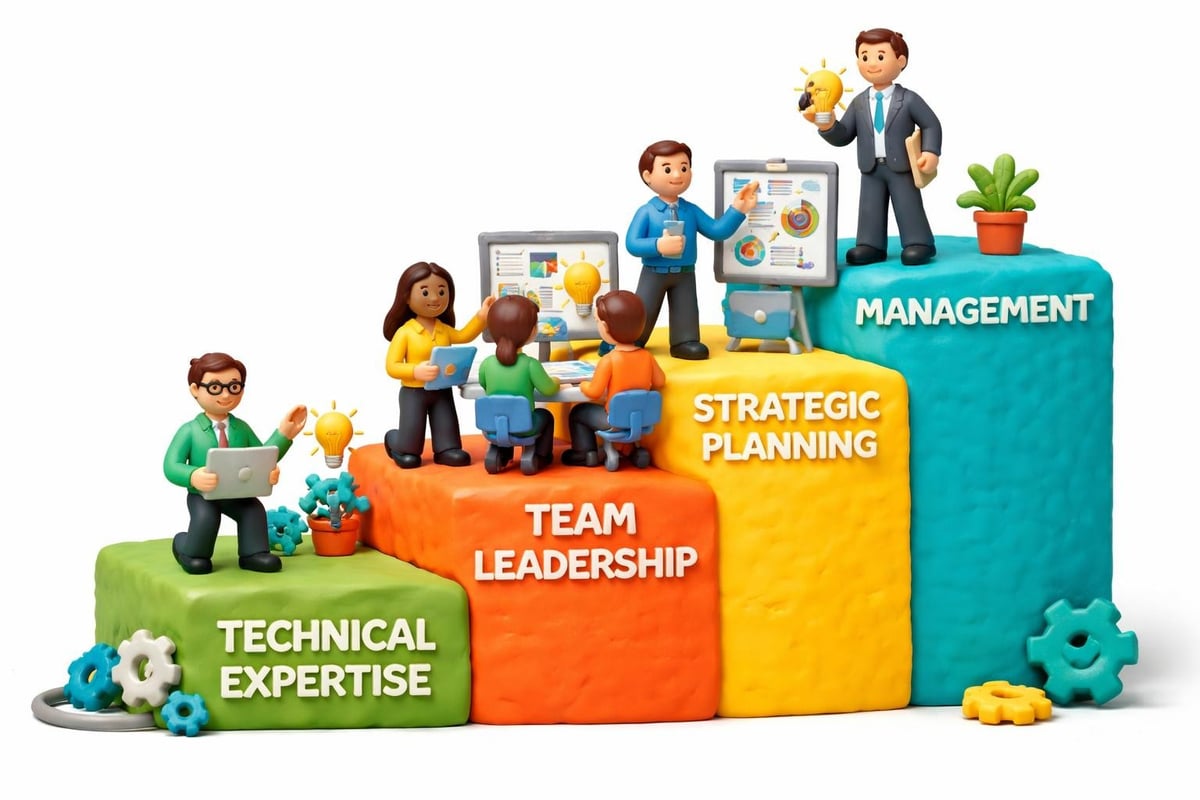
Moving from individual contributor roles into management represents a significant career transition requiring new skills and perspectives. It and business courses specifically designed for first-line managers address this critical juncture.
The New Zealand Certificate in Business (First Line Management) Level 4 prepares supervisors and team leaders to manage people, coordinate resources, and deliver operational objectives. This qualification bridges technical competence with leadership capabilities, teaching new managers to balance task completion with team development.
First-line managers in technology environments face particular challenges. They must maintain technical credibility with their teams whilst developing the interpersonal and strategic skills that characterise effective leadership. Programmes addressing this transition combine technical project management with communication, conflict resolution, and performance management.
Assessment and Recognition of Prior Learning
Many professionals pursuing it and business courses already possess significant workplace experience. Recognition of Prior Learning (RPL) processes acknowledge existing competencies, potentially reducing programme duration and cost.
RPL assessment evaluates whether a candidate's current skills and knowledge match qualification requirements. This might involve portfolio development, workplace observation, interviews, or practical demonstrations. Successful RPL reduces the number of units a learner must complete, accelerating their pathway to qualification.
This process particularly benefits:
- Experienced professionals formalising informal learning
- Workers transitioning from overseas jurisdictions
- Individuals re-entering the workforce after career breaks
- Self-taught technology professionals seeking formal credentials
Building Evidence Portfolios
Effective RPL applications require substantial evidence demonstrating competency. Candidates might compile work samples, reference letters, performance reviews, project documentation, and certificates from previous training. The stronger and more comprehensive the evidence, the more likely assessors can confirm competency without additional coursework.
Industry Connections and Practical Experience
Quality it and business courses extend beyond theoretical instruction to incorporate genuine industry engagement. This connection ensures programmes remain current with workplace practices and technology trends whilst providing learners with networking opportunities and practical experience.
Work-integrated learning placements allow students to apply classroom knowledge in professional settings under supervision. These experiences build confidence, develop workplace behaviours, and often lead directly to employment as organisations hire capable interns and placement students.
Industry advisory boards comprising employers and sector experts guide programme development, ensuring curriculum addresses actual workforce needs. This collaboration prevents the gap between academic content and workplace requirements that can render qualifications less valuable.
Professional guest speakers, industry visits, and collaborative projects with businesses further strengthen connections between education and employment. These touchpoints help learners understand how their studies translate into career opportunities whilst building professional networks.
Supporting Diverse Learner Needs
Effective training providers recognise that learners bring different backgrounds, capabilities, and circumstances to their studies. It and business courses that accommodate this diversity through comprehensive support services achieve better outcomes and higher completion rates.
Learning support addresses academic skills including writing, research, numeracy, and study techniques. Many professionals entering formal education after years in the workforce benefit from refreshers on essay structure, referencing conventions, or time management strategies.
Technical support ensures learners can access online platforms, submit assessments, and participate in virtual classrooms regardless of their existing digital literacy. This becomes particularly important as more programmes incorporate sophisticated learning management systems and collaboration tools.
Pastoral support recognises that personal circumstances affect learning success. Financial stress, health challenges, family responsibilities, and workplace pressures can derail studies unless appropriate assistance and flexibility exist. Responsive providers work with learners to navigate these challenges whilst maintaining progress.
Inclusive Programme Design
Accessibility considerations built into programme design from inception create more inclusive learning environments than retrofitted accommodations. This includes:
- Multiple assessment formats accommodating different strengths
- Captioned video content supporting hearing-impaired learners
- Screen-reader compatible learning materials
- Flexible deadlines for those managing complex circumstances
- Clear, jargon-free communication reducing barriers to understanding
The enrolment processes at quality providers guide prospective students through their options whilst identifying support needs early.
Investment Returns: Career and Financial Outcomes
Pursuing it and business courses represents significant investment of time, effort, and finances. Understanding potential returns helps learners make informed decisions about which programmes align with their goals.
Salary progression typically accompanies qualification completion, particularly when moving between qualification levels or into management roles. Industry data consistently shows that qualified professionals earn substantially more than those without formal credentials, with the gap widening at higher qualification levels.
Career advancement opportunities expand as qualifications demonstrate capability and commitment. Employers preferentially promote qualified staff and use credentials as screening criteria for applications. Professional qualifications remove barriers that might otherwise limit progression despite practical competence.
Employment stability improves with formal qualifications. During economic downturns or organisational restructures, qualified professionals typically weather challenges better than those relying solely on experience. Credentials provide portable evidence of capability that transfers across employers and industries.
Beyond direct financial returns, education delivers intrinsic benefits including increased confidence, expanded professional networks, and intellectual satisfaction. These less tangible outcomes nonetheless contribute significantly to career fulfilment and life satisfaction.
Continuing Professional Development Beyond Initial Qualifications
Qualification completion marks the beginning rather than the end of professional learning. Technology evolves rapidly, business practices shift, and regulatory requirements change. Maintaining relevance requires ongoing professional development throughout one's career.
Micro-credentials enable targeted skill updates without full qualification commitments. These short programmes address specific competencies such as advanced AI applications, particular software platforms, or emerging compliance requirements.
Professional associations often mandate continuing professional development as membership conditions, requiring members to complete specified learning hours annually. This ensures practitioners remain current with industry standards and best practices.
Lateral learning across adjacent fields expands capabilities and career options. A business manager might pursue adult education qualifications to transition into corporate training. An IT professional could add project management certifications to move into coordination roles.
Making Informed Programme Selections
With numerous providers and programmes available, selecting appropriate it and business courses requires careful consideration of multiple factors. Accreditation status stands paramount among these considerations.
NZQA accreditation indicates providers demonstrate highly confident educational performance across all areas. This status provides assurance regarding programme quality, assessment rigour, and qualification value. Employers recognise credentials from accredited providers, whereas those from unaccredited sources may carry less weight.
Programme content should align with career objectives. Review qualification documents carefully to understand what competencies you'll develop and how these connect to desired roles. Contact providers directly to discuss programme suitability if documentation leaves questions unanswered.
Delivery mode must suit your circumstances. Honest assessment of your learning preferences, available time, and competing commitments helps identify whether on-campus, online, or blended delivery works best. Consider also whether you learn more effectively through independent study or collaborative group environments.
Support services available through the provider contribute significantly to success likelihood. Comprehensive academic, technical, and pastoral support particularly benefits those balancing multiple responsibilities or returning to formal education after extended absences.
For detailed information about specific programmes and entry requirements, exploring available subjects provides comprehensive overviews of qualification pathways.
Selecting the right it and business courses sets the foundation for sustained career growth and professional satisfaction. As technology and commerce continue converging, the value of dual competency across both domains will only increase. Whether you're building foundational skills or advancing to strategic leadership roles, NZQA-accredited qualifications provide structured pathways aligned with industry needs. Summit Institute offers comprehensive programmes across business, financial services, and emerging technologies, delivered through flexible modes that accommodate diverse learner circumstances whilst maintaining rigorous quality standards.