
The landscape of further education in 2026 is rapidly evolving, shaping the way individuals prepare for new careers and personal growth. With industries changing faster than ever, having a clear understanding of further education options is essential for anyone seeking to stay ahead.
This guide is designed for learners of all ages who want to explore the full range of further education pathways available today. Whether you are a school leaver, a working professional, or someone returning to learning, this article will help you navigate your choices with confidence.
Navigating further education is now a vital step for unlocking career opportunities, adapting to shifting job markets, and embracing lifelong learning. By understanding your options, you can make informed decisions that align with your ambitions.
In the sections ahead, you will find a clear overview of further education, explore different types of courses and qualifications, discover regional variations across the UK, learn about pathways into employment and higher education, understand funding and accessibility, and look ahead to future trends.
Ready to take the next step? This comprehensive guide offers practical insights and actionable advice to help you make the most of the expanding opportunities in further education.
Understanding Further Education in 2026
Further education in 2026 stands as a vital bridge for learners seeking to enhance their skills, change careers, or pursue personal growth. Its flexible pathways offer options for people of all ages and backgrounds. As the landscape evolves, understanding the breadth and depth of further education is essential for making informed decisions about your future.
What is Further Education?
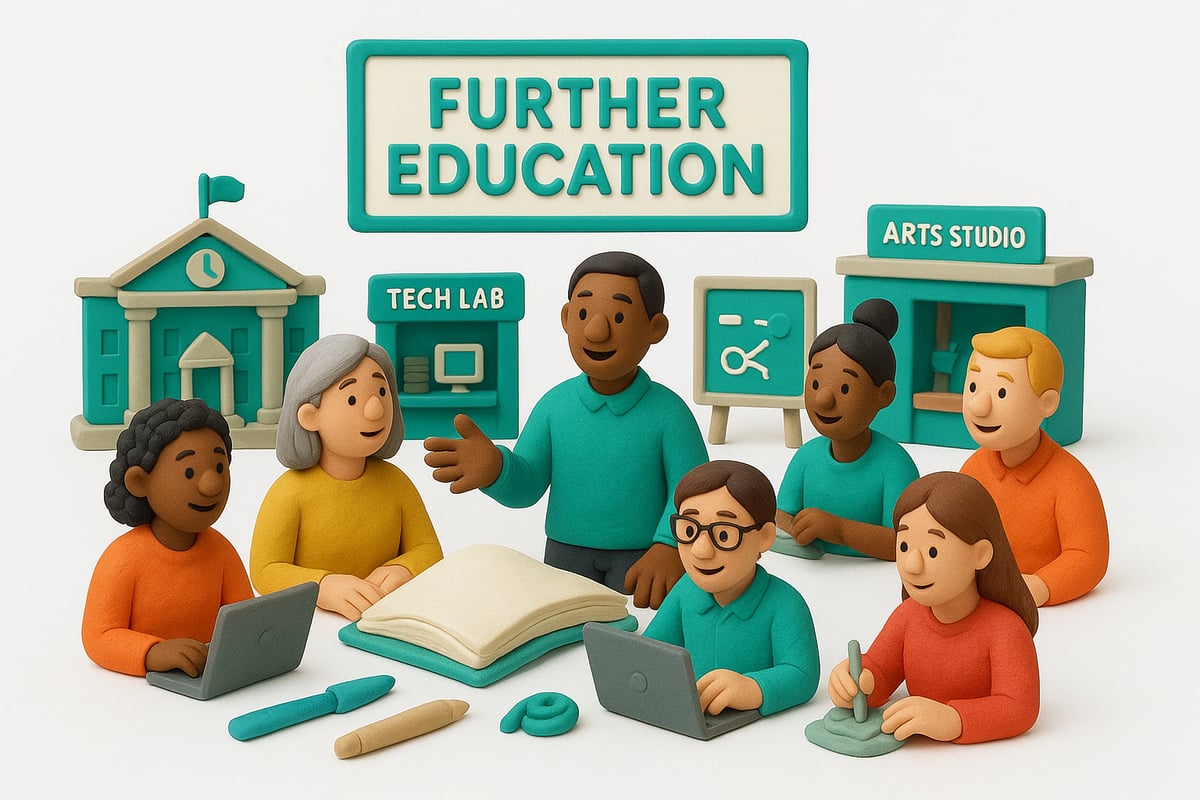
Further education is a term that describes all learning and training opportunities available after secondary school, but outside of traditional university degrees. It encompasses a wide range of academic, technical, and vocational qualifications designed to help individuals develop specialised skills.
FE is distinct from higher education, which refers specifically to university-level study, and from secondary education, which covers compulsory schooling up to age 16. In 2026, more than 1.6 million students in England alone participate in further education each year (Further education and skills statistics 2024/25). This sector is inclusive by design, welcoming school leavers, adults, and those seeking a new direction in their careers.
Structure of the FE System
The structure of further education in the UK and internationally is diverse, reflecting local and national priorities. In the UK, several types of colleges deliver FE:
- General FE colleges
- Sixth form colleges
- Land-based colleges
- Adult learning colleges
- Specialist colleges
There are 217 colleges in England, 24 in Scotland, 13 in Wales, and 6 in Northern Ireland. Regulatory and membership bodies such as the Association of Colleges and Colleges Scotland oversee quality, advocate for funding, and set standards.
Further education is delivered through various modes to suit different learning needs. These include in-person classroom teaching, online courses, blended learning combining digital and face-to-face sessions, and workplace-based training. This adaptability ensures that further education remains accessible and relevant to a wide audience.
With its comprehensive structure and regulatory support, further education provides opportunities for learners to gain new skills, upskill, or retrain, meeting the demands of a rapidly changing workforce.
Who is Further Education For?
Further education is open to anyone aged 16 and above, making it one of the most accessible forms of post-school learning. It attracts a diverse mix of learners, including:
- School leavers continuing their education
- Adults returning to study after a break
- Professionals seeking new skills for career progression
- Individuals retraining for a different industry
In England, 925,000 adults currently study or train at college. Notably, 27 percent of 16–18 year olds report a learning difficulty or disability, and 24 percent come from ethnic minority backgrounds. Further education plays a crucial role in promoting inclusivity, supporting lifelong learning, and helping individuals from all backgrounds to access new opportunities.
Whether you are looking to change careers, enhance your qualifications, or simply try something new, further education offers flexible routes tailored to your goals.
Key Benefits and Impact
Further education acts as a launchpad for employment, higher education, and personal development. It is instrumental in building national skills, improving employability, and supporting economic growth.
FE colleges train around 152,000 apprentices each year, with 49,000 aged 19 or under. This sector's flexibility allows learners to adapt to changing industries and pursue a wide variety of career paths. By offering practical experience, academic progression, and support for diverse learners, further education continues to drive innovation and opportunity in 2026.
Types of Further Education Courses and Qualifications
The landscape of further education in 2026 offers more choice and flexibility than ever before. Whether you are a school leaver, an adult returning to study, or seeking to upskill, a wide array of further education pathways is now available. For a comprehensive overview of study options and how they align with your ambitions, you can explore further education study options.
Academic Pathways: A-levels and Beyond
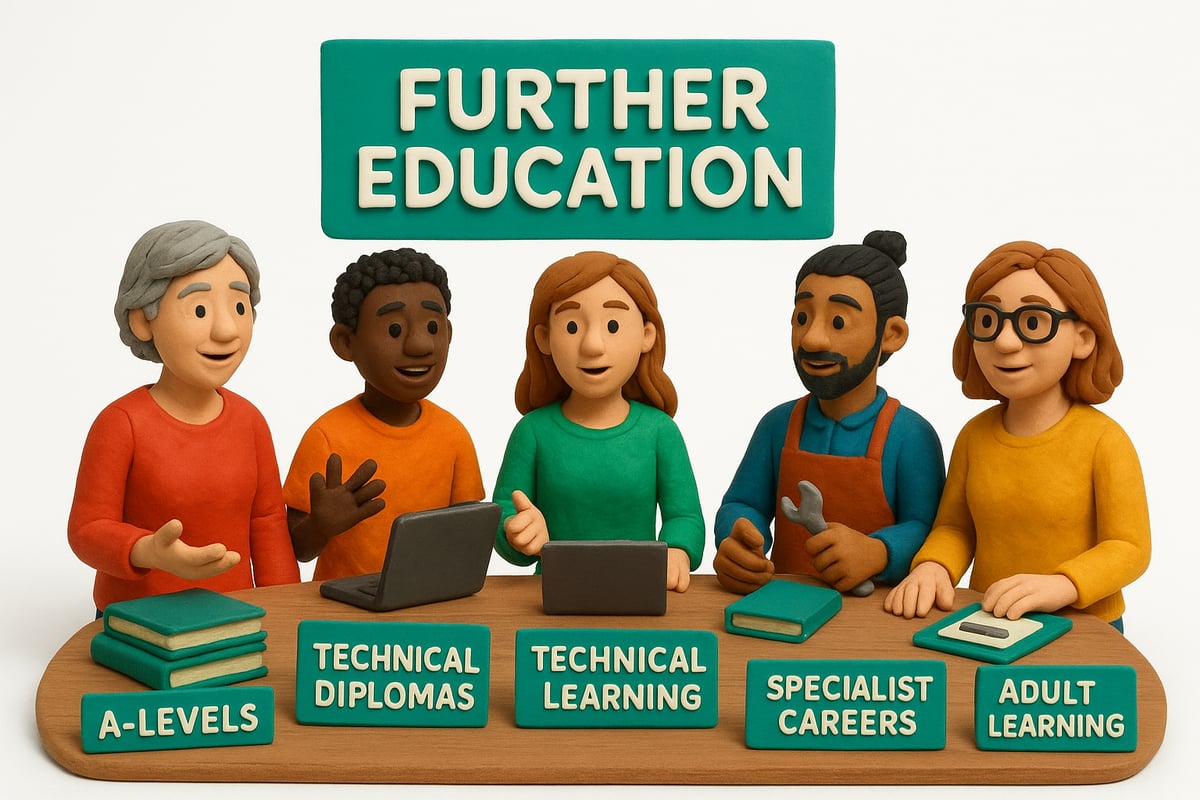
A-levels remain the cornerstone of academic further education in the UK. Typically offered at sixth form and further education colleges, A-levels provide a solid foundation for university entry and a range of professional careers. Almost half of all A-level students now study at colleges, reflecting the pivotal role these institutions play.
A-levels are widely recognised by universities and employers. They allow students to specialise in subjects that align with their interests and career goals. Further education supports these academic ambitions by offering guidance, resources, and a structured environment for success.
Vocational and Technical Qualifications
Vocational and technical qualifications are central to further education. Programmes such as BTECs, T Levels, and National Vocational Qualifications (NVQs) focus on practical, job-ready skills. T Levels are a recent addition, designed in partnership with employers to meet current industry needs.
These qualifications blend classroom theory with hands-on experience. For example, T Levels include extended work placements, while NVQs assess skills in real workplace settings. Further education also includes sector-specific courses like business administration qualifications, helping learners prepare for immediate employment or further study.
Apprenticeships and Work-Based Learning
Apprenticeships are a dynamic option within further education, combining paid work with structured study. They are offered across a spectrum of industries, from engineering to digital and health care. The typical college trains around 900 apprentices annually, demonstrating the scale and reach of these programmes.
Apprenticeships allow both young people and adults to earn a wage while gaining recognised qualifications. The blend of on-the-job experience and classroom learning ensures that knowledge is both practical and relevant. Further education institutions play a key role in delivering and supporting these pathways.
Higher National Certificates/Diplomas and Foundation Degrees
Higher National Certificates (HNCs), Higher National Diplomas (HNDs), and foundation degrees offer another route through further education. These qualifications are set at Levels 4 and 5, bridging the gap between further education and higher education.
Foundation degrees are particularly flexible, as they can be 'topped up' to a full honours degree with additional study. This arrangement suits those who wish to progress to university but prefer a vocational or applied approach. Further education colleges provide these courses, supporting a seamless pathway to higher qualifications or employment.
Adult and Community Learning
Adult and community learning is a vital strand of further education, serving those who wish to upskill, retrain, or explore personal interests. Institutes and community colleges offer a wide variety of courses, from digital literacy to languages and business skills.
Nearly 700,000 students aged 25 and over study at college in England, highlighting the sector's commitment to lifelong learning. Programmes are designed to be accessible, often delivered part-time or online to suit busy lives. Further education empowers adults to remain competitive and engaged in a fast-evolving job market.
Specialist and Industry-Focused Programmes
Specialist and industry-focused programmes are a distinctive feature of further education. Land-based colleges, creative arts institutions, and sector-specific training centres deliver highly targeted qualifications.
Examples include agricultural courses, performing arts, and design programmes. These pathways address skills gaps and prepare learners for niche careers. Further education adapts quickly to industry trends, ensuring that training remains relevant and future-focused.
Further Education Across the UK: Regional Pathways
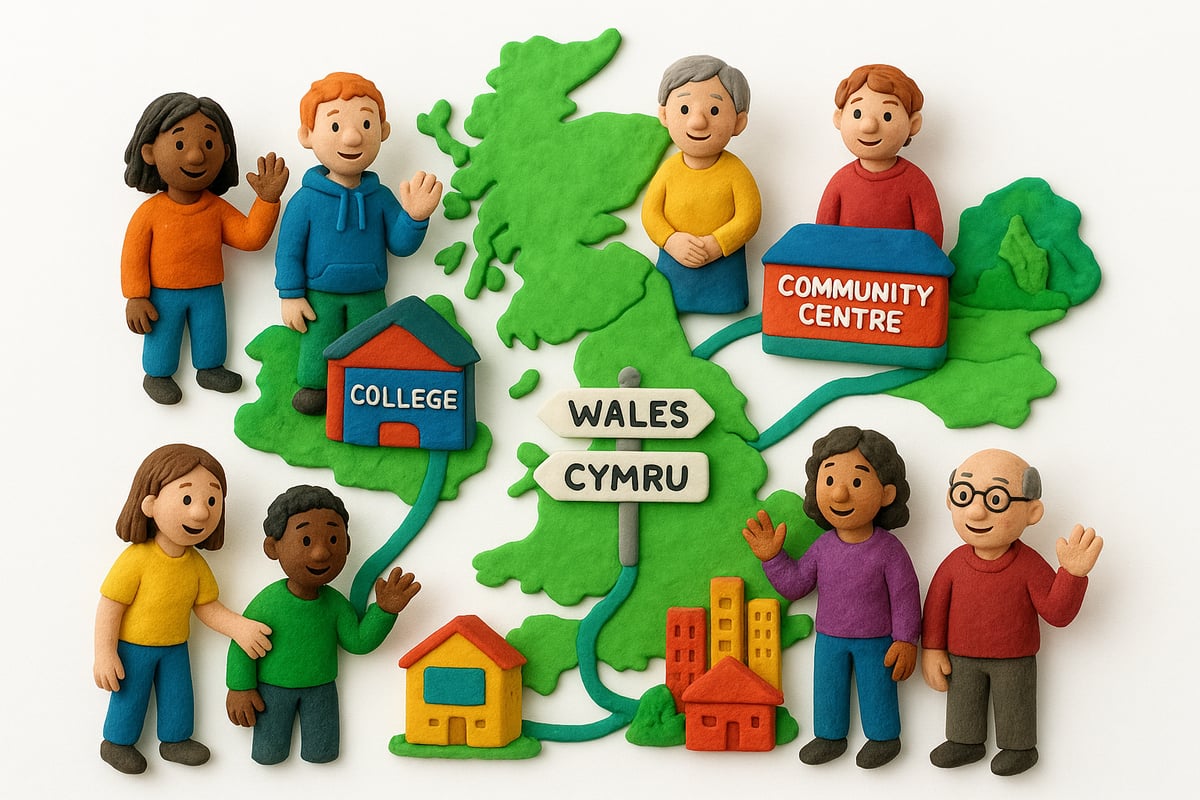
Exploring further education across the UK reveals a diverse landscape shaped by local needs, policies, and opportunities. Each nation has developed distinctive pathways, funding mechanisms, and specialist provision to serve learners and employers. Understanding these regional differences is vital for anyone considering further education, whether as a school leaver, adult learner, or career changer.
England
England’s further education system is broad, catering to millions through general FE colleges, sixth form colleges, tertiary institutions, land-based, and specialist colleges. Oversight is provided by the Department for Education and the Education and Skills Funding Agency, ensuring quality and accountability. Ofsted regularly inspects colleges, supporting high standards and continuous improvement.
Funding is a cornerstone, with colleges in England generating £6.5 billion in income during 2018/19, of which 78% came from public funding. Recent government investment, such as the £200 million allocated to college infrastructure in 2020, reflects a commitment to modernising facilities and expanding access. For those interested in the financial landscape and recent policy changes, the Further education funding in England resource offers a detailed overview.
The structure enables flexibility, supporting both academic and vocational progression. England’s further education sector is designed to meet a range of needs, from apprenticeships to A-levels, helping learners thrive in a changing economy.
Scotland
Scotland’s further education model places equal emphasis on vocational and academic routes, with colleges welcoming learners from age 16. Qualifications such as Scottish Vocational Qualifications (SVQs), Higher National Certificates (HNCs), and Higher National Diplomas (HNDs) are widely available. Many students complete the first two years of higher education at college before progressing to university.
Colleges Scotland plays a key role in representing the sector, advocating for quality, funding, and innovation. The further education system in Scotland is tailored to local communities, supporting lifelong learning and economic growth.
Wales
In Wales, further education is delivered by 13 colleges, each supported by Colleges Wales. The sector prioritises bilingual education, ensuring that Welsh and English language provision is available. Courses span vocational, academic, and adult learning, reflecting the needs of local industries and communities.
Collaboration with employers and universities is central to Wales’s further education approach, creating clear pathways from college to work or higher study. This regional focus ensures that learners can access opportunities aligned with the Welsh economy.
Northern Ireland
Northern Ireland’s further education sector consists of seven multi-campus colleges, overseen by the Department for Employment and Learning. Sixth form provision remains strong within secondary schools, particularly for AS and A-levels.
A key strength is the sector’s commitment to employability and supporting regional economic development. Colleges work closely with employers to deliver relevant training and address skills shortages across industries.
Comparative Insights and Case Examples
Comparing further education across the UK highlights differences in governance, funding, and qualification frameworks. For example, England’s sector is larger and more centralised, while Scotland and Wales emphasise community and bilingual provision. Northern Ireland’s colleges have a regional focus, often working directly with local businesses.
| Region | Colleges | Key Features | Student Numbers (approx.) |
|---|---|---|---|
| England | 217 | Broad provision, strong funding, Ofsted oversight | 1.6 million |
| Scotland | 24 | SVQs, HNCs/HNDs, local focus | 218,000 |
| Wales | 13 | Bilingual, local skills, collaboration | 127,000 |
| Northern Ireland | 6 | Multi-campus, employability, sixth form | 37,000 |
Successful initiatives include blended learning solutions for rural Scotland, bilingual courses in Wales, and targeted employer partnerships in Northern Ireland. These regional pathways ensure that further education remains flexible, inclusive, and responsive to changing needs.
Pathways and Progression: From Further Education to Employment and Higher Study
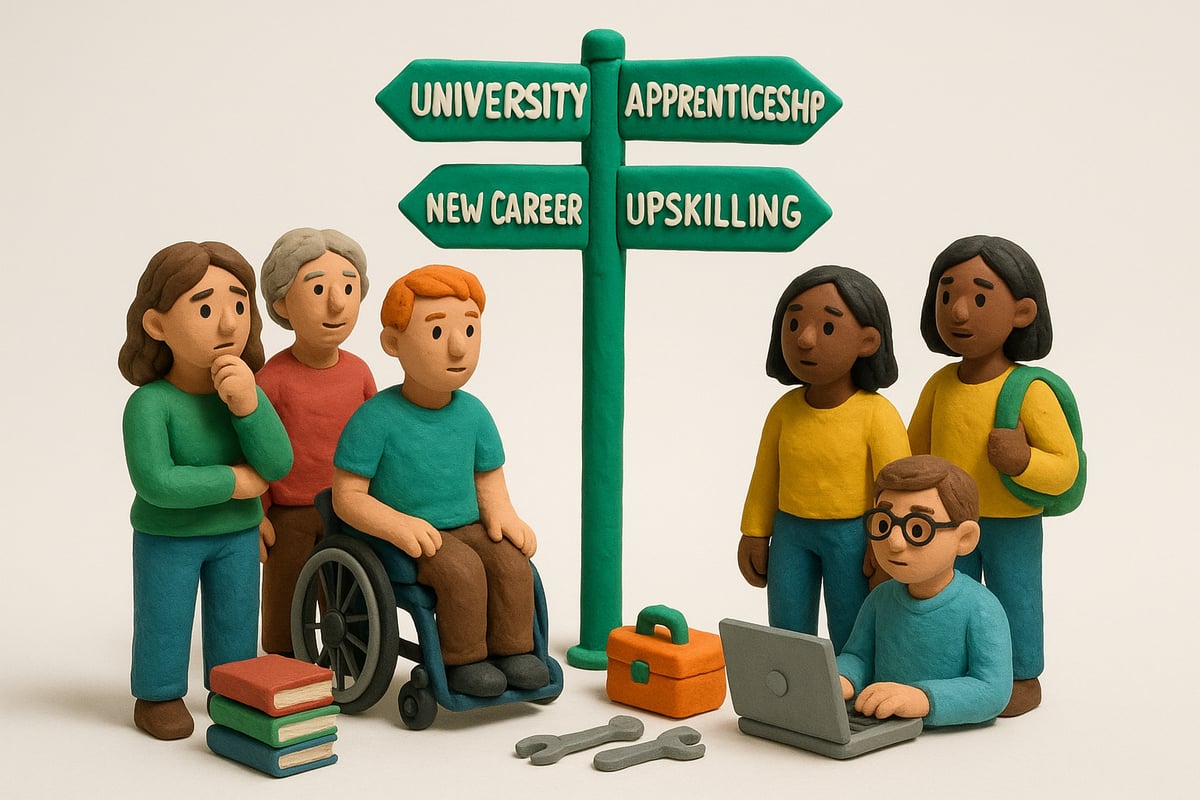
Navigating the wide landscape of further education in 2026 opens up a wealth of progression routes for learners of all backgrounds. Whether you aim to continue your studies, enter the workforce, or retrain for a new career, further education offers structured, supported pathways to help you achieve your ambitions.
Transition to University
Many learners use further education as a springboard to university. Popular qualifications such as A-levels, BTECs, and foundation degrees are widely recognised by higher education providers. These options allow students to accumulate credits or meet entry requirements for undergraduate study.
For example, those who complete a foundation degree or Higher National Diploma can often "top up" to a full honours degree at university. This flexible approach is ideal for learners who may not have wanted to commit to university at 18 but are now ready to take the next step. Further education provides a supportive environment to explore academic interests and prepare for the demands of university life.
Direct Entry to Employment
Further education is designed to bridge the gap between learning and earning. Vocational and technical qualifications, such as T Levels and NVQs, are tailored to meet the needs of employers and industry standards. Students benefit from hands-on experience and practical training that equips them for immediate entry into the workforce.
Apprenticeships are a key route for those who wish to learn in the workplace while gaining formal qualifications. Many further education colleges work closely with local employers to ensure course content is relevant and up to date. This collaboration addresses national skills gaps in sectors like digital, healthcare, and the green economy, making further education a direct path to meaningful employment.
Adult Learners and Career Changers
Further education is not limited to school leavers. Adults seeking to retrain or upskill find a wealth of opportunities in colleges and community learning centres. Flexible delivery options, including part-time, evening, and online courses, make it easier to balance study with other commitments.
For those interested in exploring suitable programmes, resources like Adult education and training courses offer detailed information on available pathways. This focus on lifelong learning ensures that further education remains accessible for individuals at every stage of life, supporting both personal growth and career transition.
Inclusive and Supported Pathways
Further education is committed to providing accessible learning environments for all. Colleges offer tailored programmes and support services for individuals with disabilities, learning difficulties, or additional needs. Dedicated teams deliver learning support, accessibility adjustments, and wellbeing services.
For instance, 27 percent of 16 to 18 year olds in England declare a learning difficulty or disability. Further education institutions respond by fostering inclusive classrooms and offering resources designed to improve retention and achievement. This commitment ensures that every learner has the opportunity to progress, regardless of their circumstances.
International Students and Global Pathways
The reach of further education extends beyond the UK, welcoming international students who wish to develop skills or access global opportunities. Many colleges provide English language courses, foundation years, and internationally recognised qualifications.
These programmes enable international learners to transition into UK universities or seek employment both domestically and abroad. The global perspective of further education enhances cultural exchange and prepares all students for careers in an interconnected world.
Case Studies: Success Stories
The impact of further education is best illustrated through real-life success stories. Consider a young person who completes a T Level and secures a role in digital marketing, or an adult who retrains as a healthcare assistant after redundancy. There are also learners with additional needs who, with the right support, progress to higher education or meaningful employment.
Each journey reflects the transformative power of further education. These stories highlight the diverse pathways available, reinforcing the sector's role in unlocking new prospects for individuals and communities.
Access, Funding, and Support in Further Education
Gaining access to further education in 2026 is more attainable and flexible than ever before. Learners benefit from a variety of support mechanisms, funding opportunities, and tailored pathways. This comprehensive support ensures that further education remains accessible, inclusive, and responsive to diverse needs.
Discover more research & credentials: AI in education expert for NZ schools
Funding and Financial Support
Funding plays a crucial role in ensuring that further education is accessible to everyone, regardless of background. For those aged 16 to 18, education is typically free, with government grants covering tuition. Adult learners may access loans, bursaries, or even employer sponsorship for specific courses.
The main sources of funding include:
- Government grants and loans
- Bursaries for students from low-income families
- Employer sponsorship or apprenticeship funding
In England, around 60% of college funding is spent on 16–19 education, reflecting a significant investment in the next generation. For adults, flexible finance options and targeted support help make further education a viable option for upskilling or changing careers.
Accessibility and Entry Requirements
Further education is designed to be as open and inclusive as possible. Most courses have minimal entry requirements, particularly at the introductory level, making them accessible to a wide audience. Some specialised or advanced programmes may ask for prior qualifications or relevant experience.
Colleges actively support learners from disadvantaged and underrepresented groups. Outreach initiatives, access programmes, and dedicated support teams help to reduce barriers. Participation rates vary by region and background, with data on further education participation by ethnicity highlighting both progress and remaining gaps. This commitment ensures further education continues to widen participation and address inequalities.
Learning Support and Wellbeing Services
Student success in further education is supported by a comprehensive range of learning and wellbeing services. Colleges provide academic tutoring, careers advice, and dedicated support for students with disabilities or learning difficulties.
Key support services include:
- Learning support assistants and tailored resources
- Mental health and counselling services
- Study skills workshops and peer mentoring
These services help create a positive and inclusive learning environment. Colleges invest in holistic support, recognising that wellbeing is as vital as academic achievement for long-term success in further education.
Flexible Study Modes
One of the greatest strengths of further education lies in its adaptability. Learners can choose from full-time, part-time, evening, weekend, or distance learning options. This flexibility helps students balance education with work, family, or other commitments.
Blended learning, which combines in-person teaching with online resources, is increasingly common. This model enhances accessibility by removing geographical and time barriers. As a result, further education can fit around diverse lifestyles and learning preferences, making it a practical choice for many.
Navigating the Application Process
Applying for further education is a straightforward process, but planning ahead is key. Prospective students should start by researching courses and colleges that align with their goals. Entry requirements and funding options vary, so careful review is essential.
A typical application journey involves:
- Researching courses and institutions
- Checking entry criteria and available funding
- Completing and submitting applications (some via UCAS, others direct)
- Attending interviews or assessments if necessary
- Accepting offers and arranging enrolment
For a detailed guide, refer to the Enrolment process and requirements page, which outlines each step clearly. Strong personal statements, references, and evidence of prior learning can strengthen applications and improve chances of success in further education.
Support for Employers and Workforce Development
Further education colleges play a vital role in workforce development. They partner with local businesses to deliver tailored training, apprenticeships, and upskilling programmes. This collaboration ensures that employers have access to a skilled workforce and that learners gain relevant, job-ready skills.
Colleges can customise courses to meet specific industry needs, supporting both organisational growth and regional economic development. For employers, investing in further education partnerships is a strategic way to develop talent and stay competitive.
The Future of Further Education: Trends and Opportunities for 2026 and Beyond
The landscape of further education is evolving rapidly as we move into 2026. Learners, educators, and employers are witnessing transformative changes in how skills are delivered, recognised, and maintained. Understanding these trends is essential for anyone looking to stay ahead in a competitive, ever-changing world.
Digital Transformation and Blended Learning
Digital transformation is reshaping further education across the UK and globally. Colleges are embracing new technologies to create flexible, engaging learning experiences that reach a wider audience. Virtual classrooms, AI-powered learning tools, and cloud-based resources are now commonplace.
Blended learning models combine in-person teaching with online modules, offering adaptability for learners balancing work, study, or family. This approach increases accessibility, allowing students in rural or remote areas to participate fully. Colleges now offer extensive remote access to courses, ensuring that further education is available to everyone, regardless of location.
The impact of these digital advancements includes improved learner engagement, real-time feedback, and tailored resources. As technology continues to advance, further education will remain at the forefront of innovative teaching.
Emerging Skills and Industry Demands
The future of further education is closely linked to the changing needs of the labour market. Sectors such as digital technology, green energy, and healthcare are experiencing rapid growth, creating a demand for new qualifications and skills.
Colleges are working directly with employers to design curricula that match industry requirements. New courses in artificial intelligence, cybersecurity, renewable energy, and health sciences are becoming standard offerings. This alignment ensures that learners graduate with skills that are both current and in high demand.
A focus on addressing skills shortages means that further education is a key driver for economic growth and competitiveness. By anticipating emerging trends, colleges help learners future-proof their careers.
Personalised and Lifelong Learning Pathways
Further education is embracing a more personalised approach to learning, recognising that career journeys are rarely linear. There is a growing demand for micro-credentials, short courses, and stackable qualifications, allowing learners to build skills progressively.
Modular learning enables individuals to tailor their education to their interests and career goals. Many colleges now offer flexible pathways, supporting lifelong learning and upskilling throughout a person's working life. This adaptability ensures that further education meets the needs of a diverse and evolving workforce.
Learners are empowered to take control of their development, choosing courses that fit around existing commitments and aspirations.
Policy and Funding Developments
Government policy continues to shape the future of further education, with a focus on levelling up, social mobility, and regional skills strategies. Increased investment in college infrastructure and teacher development is expected, supporting both learners and staff.
Funding mechanisms are evolving to ensure that further education remains accessible and sustainable. New initiatives may include targeted grants, expanded student loan options, and employer partnerships. Policymakers recognise the sector's critical role in driving national productivity and innovation.
Staying informed about policy changes helps learners and institutions adapt, ensuring that further education remains a vibrant and effective part of the education system.
Inclusive and Accessible Education
Inclusivity is at the heart of further education's future. Colleges are expanding support for learners from diverse backgrounds, including those with disabilities, learning difficulties, or additional needs. Technology is playing a significant role in breaking down barriers, with accessible learning platforms and tailored resources.
Nearly a quarter of further education students come from ethnic minority backgrounds, reflecting the sector's commitment to diversity. In Northern Ireland, recent further education enrolments in Northern Ireland highlight rising participation and evolving student demographics, underscoring the demand for inclusive provision.
Holistic support services, such as mental health resources and dedicated learning support teams, are improving retention and learner outcomes.
Globalisation and International Collaboration
Further education is becoming more globally connected, attracting international students and fostering cross-border partnerships. Colleges are participating in exchange programmes and developing qualifications recognised worldwide.
International collaboration helps to enrich the curriculum, introduce fresh perspectives, and create opportunities for learners to engage with peers from different cultures. English language courses and foundation programmes support international students on their journey to UK universities or employment.
The sector's global outlook ensures that further education qualifications remain relevant and respected on an international stage.
Adapting to the Unknown: Resilience and Innovation
The further education sector has demonstrated remarkable resilience in the face of uncertainty. Economic shifts, technological breakthroughs, and societal changes require flexible and innovative responses. Colleges have learned the value of adaptability, embracing new teaching methods and supporting learners through challenging times.
Future-proofing skills is a shared priority, with an emphasis on critical thinking, problem-solving, and digital literacy. Learners are encouraged to embrace change, pursue ongoing development, and view further education as a lifelong journey.
By fostering a culture of innovation, the sector ensures that students are equipped to thrive in an unpredictable world.
As you navigate the evolving world of further education, it is clear that having the right guidance and qualifications can open doors to exciting career and personal opportunities. Whether you are just leaving school, considering a career change, or looking to develop specialised skills, the pathways and flexible options available today make it possible to shape your future on your terms. If you are ready to take the next step or simply want to explore what is possible, now is the perfect time to act. Get ahead now!