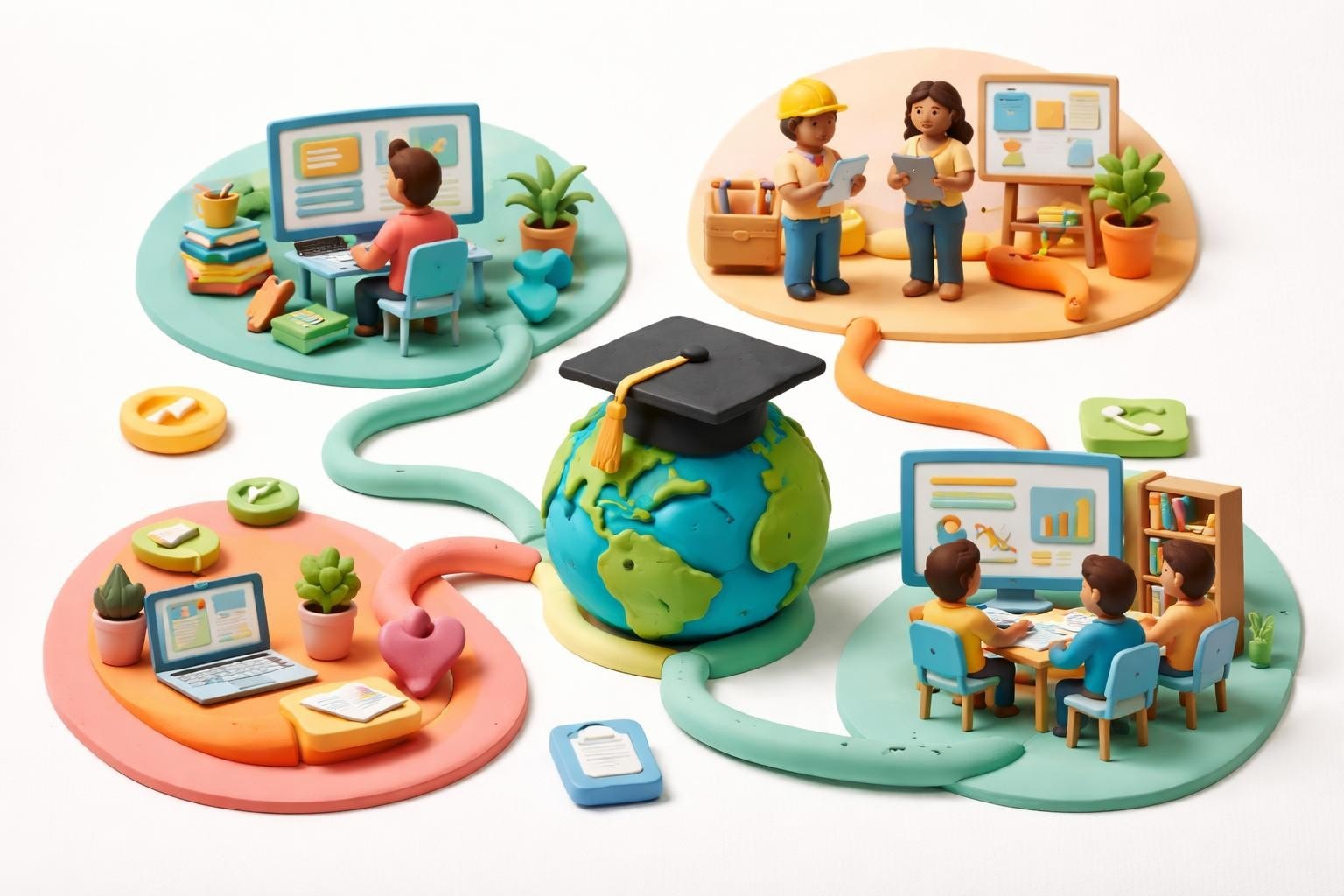
The traditional model of education, with its rigid timetables, fixed locations, and one-size-fits-all approach, no longer meets the diverse needs of today's learners. Whether you're a working professional seeking career advancement, a parent balancing family commitments, or someone transitioning between industries, the ability to access education on your terms has become essential. This shift has accelerated the adoption of flexible education systems that prioritise learner autonomy, recognise prior learning, and accommodate various life circumstances whilst maintaining rigorous quality standards.
Understanding the Core Principles of Flexible Education
Flexible education represents a fundamental reimagining of how, when, and where learning occurs. Rather than forcing learners to conform to institutional schedules and delivery methods, this approach adapts to individual circumstances and preferences.
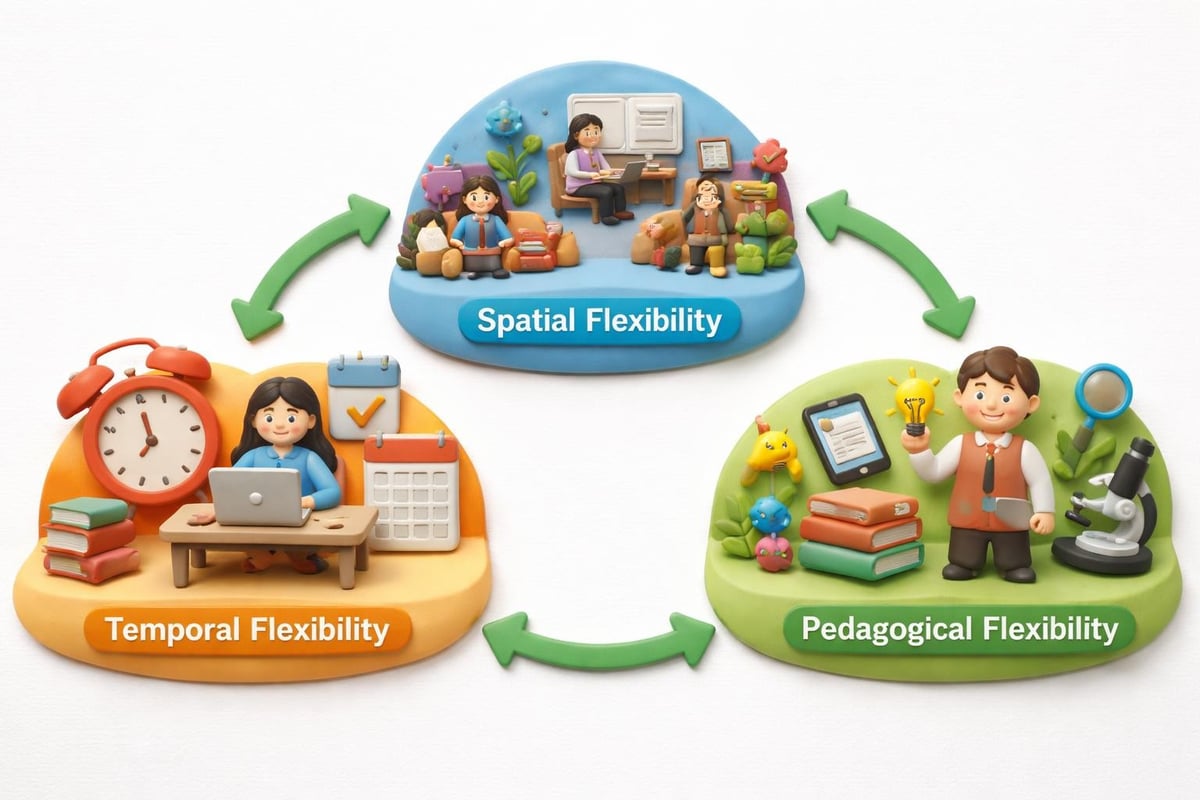
At its foundation, flexible education encompasses several key dimensions. Temporal flexibility allows learners to progress at their own pace, choosing when they engage with course materials and complete assessments. Spatial flexibility removes geographical barriers by offering online, on-campus, workplace-based, or blended delivery options. Pedagogical flexibility recognises that different learners have varying styles, backgrounds, and requirements, necessitating diverse teaching approaches and assessment methods.
Research into flexible learning strategies in higher education demonstrates that institutions must balance structure with autonomy, providing clear frameworks whilst allowing learners sufficient control over their educational journey. This balance proves particularly crucial for maintaining quality standards whilst accommodating diversity.
The Evolution Towards Learner-Centred Models
The shift towards flexible education reflects broader societal changes in how we work, communicate, and access information. Traditional barriers to education have become increasingly untenable in a world where technology enables instant global connectivity and workforce demands require continuous upskilling.
Educational institutions have responded by developing programmes across multiple subjects that learners can access through various pathways. This evolution particularly benefits:
- Working professionals who cannot commit to fixed daytime schedules
- Rural and regional learners who face geographical isolation
- Individuals with caring responsibilities requiring adaptable timetables
- Career changers needing targeted qualifications without lengthy full-time commitments
- International students seeking New Zealand qualifications whilst managing time zone differences
The integration of micro-credentials exemplifies this evolution, offering focused, stackable qualifications that address specific skills gaps without requiring extensive time commitments. Programmes such as fundamentals of AI in education demonstrate how institutions can respond rapidly to emerging industry needs through flexible, targeted offerings.
Delivery Modes and Learning Environments
The practical implementation of flexible education depends heavily on diverse delivery modes that suit different learning contexts and preferences. Modern education providers must offer multiple pathways to qualifications whilst maintaining consistent quality standards.
Blended Learning Approaches
Blended learning combines face-to-face instruction with online components, creating a hybrid model that leverages the strengths of both approaches. Research examining the replacement of classroom time with online learning indicates that reduced classroom hours coupled with well-designed online activities can achieve equivalent or superior learning outcomes compared to traditional formats.
This model proves particularly effective for technical qualifications requiring hands-on practice. For instance, programmes in industrial rope access combine theoretical knowledge delivered online with intensive practical sessions at specialised facilities, maximising learner convenience without compromising safety standards.
| Delivery Mode | Key Advantages | Ideal Applications |
|---|---|---|
| Fully Online | Maximum flexibility, geographical access, self-paced progression | Theory-based qualifications, digital skills, business administration |
| Blended | Balance of flexibility and interaction, reduced campus attendance | Technical subjects requiring practical components, professional development |
| Workplace-Based | Direct application to job role, employer engagement, authentic contexts | Industry certifications, assessor training, leadership programmes |
| On-Campus | Intensive learning periods, peer networking, hands-on facilities | Specialised equipment requirements, collaborative projects, immersive experiences |
Self-Regulated Learning and Student Responsibility
The success of flexible education depends significantly on learners' ability to manage their own progress. Studies on flexibility and self-regulated effort in distance education emphasise that whilst flexibility increases accessibility, it simultaneously requires learners to take greater responsibility for their educational journey.
Effective flexible education programmes provide scaffolding to support self-regulation. This includes clear learning pathways, regular feedback mechanisms, progress tracking tools, and accessible support services. Institutions must balance freedom with structure, ensuring learners have sufficient guidance without undermining the autonomy that makes flexible education attractive.
Assessment Strategies for Diverse Learners
Traditional examination-based assessment often proves incompatible with flexible education's core principles. Rigid assessment schedules, location-specific requirements, and narrow evaluation criteria can negate the accessibility benefits that flexible delivery provides.
Flexible Assessment Design
Progressive institutions have developed flexible assessment strategies that accommodate diversity whilst maintaining academic integrity. These approaches include:
- Multiple submission windows allowing learners to complete assessments when they're adequately prepared
- Portfolio-based evaluation recognising cumulative learning rather than point-in-time performance
- Authentic workplace assessments enabling learners to demonstrate competency in their professional contexts
- Choice in assessment formats permitting learners to showcase knowledge through varied media
- Recognition of prior learning crediting existing skills and experience towards qualification requirements
For professional qualifications such as the New Zealand Certificate in Business First Line Management, this flexibility proves essential. Learners can demonstrate leadership competencies through workplace projects rather than simulated exercises, creating genuine value for both the individual and their employer.
Maintaining Academic Standards
Flexibility in assessment must not compromise qualification integrity. NZQA-accredited providers maintain rigorous quality assurance processes that ensure flexible assessments meet the same standards as traditional formats.
This involves robust moderation procedures, clear assessment criteria aligned with learning outcomes, and verification of learner identity for online submissions. The quality assurance framework governing accredited providers ensures that flexible delivery enhances accessibility without diminishing credential value.
Addressing Equity and Access Challenges
Whilst flexible education expands opportunities for many learners, it can inadvertently create new forms of inequality. Access to technology, digital literacy, study spaces, and support networks varies considerably across different populations.
Research examining flexibility and inequities in online learning reveals that structural inequalities can be amplified in digitalized education. Learners from disadvantaged backgrounds may lack reliable internet connectivity, appropriate devices, quiet study environments, or the cultural capital to navigate self-directed learning effectively.
Designing Inclusive Flexible Systems
Truly equitable flexible education requires intentional design that anticipates and addresses potential barriers. Effective strategies include:
- Providing device loan programmes for learners without adequate technology
- Offering campus study spaces with extended hours for those lacking suitable home environments
- Designing low-bandwidth online materials accessible on mobile devices
- Creating peer support networks that connect learners across different cohorts
- Developing foundational digital literacy modules integrated into programme inductions
The study options available at quality providers reflect this inclusive approach, ensuring flexibility serves genuine accessibility rather than merely convenience for already-privileged learners.
Industry-Relevant and Emerging Skills Pathways
The rapid pace of technological change and evolving workforce requirements necessitates education systems that can respond quickly to emerging needs. Flexible education proves particularly well-suited to this challenge, enabling institutions to develop and deliver relevant programmes without the lengthy lead times traditional models require.
Micro-Credentials and Stackable Qualifications
Micro-credentials represent a significant innovation in flexible education, offering focused, short-duration qualifications that address specific skill gaps. These credentials typically require weeks or months rather than years to complete, making them accessible to working professionals seeking targeted development.
The stackable nature of micro-credentials allows learners to accumulate credentials over time, potentially building towards more comprehensive qualifications. UNESCO's exploration of flexible learning pathways emphasises how this modular approach creates more relevant educational futures by recognising diverse learning venues and timeframes.
Programmes such as advanced applications of AI in education exemplify how micro-credentials can rapidly address emerging industry needs, providing educators with current skills in artificial intelligence applications without requiring extended time away from their teaching roles.
Workplace Integration and Applied Learning
Flexible education's adaptability makes it particularly effective for workplace-based learning, where theoretical knowledge directly informs practice. This integration proves valuable across numerous sectors, from financial services to specialised industries requiring niche expertise.
Workplace-based delivery offers several distinct advantages:
- Immediate application of learning to authentic work contexts
- Employer engagement in shaping programme content and assessment
- Reduced opportunity cost as learners continue earning whilst studying
- Contextualised learning that reflects actual industry practices and challenges
- Evidence-based assessment through workplace projects and observations
Predictors of Success in Flexible Learning Environments
Understanding what enables learners to thrive in flexible education helps institutions design more effective support systems. Recent research analysing key predictors of academic success in flexible learning identifies several critical factors beyond traditional academic ability.
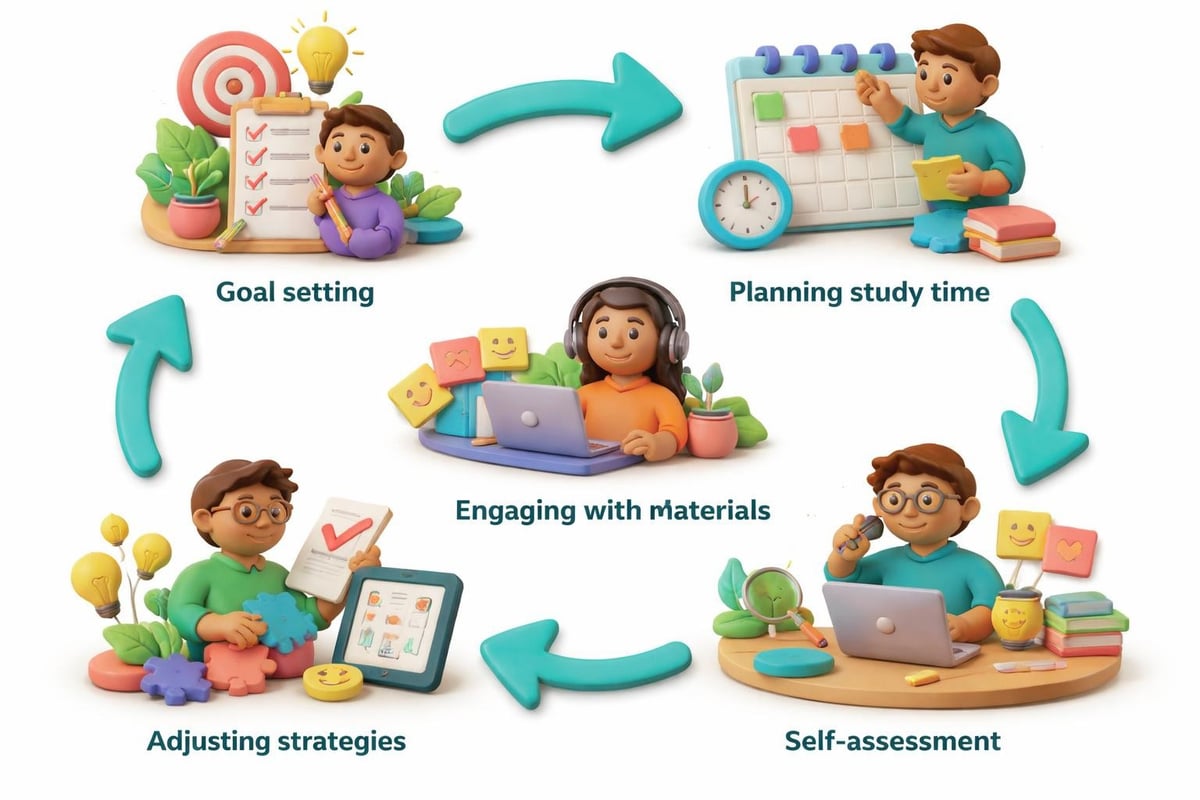
Motivation and goal clarity emerge as primary success predictors. Learners with well-defined objectives and intrinsic motivation demonstrate greater persistence when facing the self-direction challenges inherent in flexible education. This highlights the importance of robust enrolment processes that help learners clarify their goals and understand programme requirements before committing.
Study habits and time management prove equally crucial. Flexible education demands greater organisational skills than traditional formats, as learners must create their own study schedules without the external structure of fixed classes. Successful programmes incorporate time management support, study skills workshops, and progress monitoring to help learners develop these competencies.
School climate and institutional support significantly influence outcomes. Even in flexible, distance-based programmes, learners benefit from feeling connected to an institutional community. This includes responsive tutors, accessible support services, peer interaction opportunities, and clear communication channels.
Personal development factors, including resilience, adaptability, and growth mindset, also correlate strongly with success in flexible education environments. These attributes enable learners to navigate the inevitable challenges of self-directed study and persist through difficult content.
Institutional Changes Required for Flexible Delivery
Implementing genuinely flexible education requires substantial institutional transformation beyond simply uploading existing courses online. Organisations must reconsider administrative processes, staff capabilities, quality assurance mechanisms, and organisational culture.
Staff Development and Pedagogical Shift
Educators accustomed to traditional classroom delivery require professional development to facilitate effective flexible learning. This extends beyond technical skills in using online platforms to encompass pedagogical approaches suited to asynchronous learning, strategies for maintaining learner engagement remotely, and techniques for providing meaningful feedback in digital environments.
The shift towards flexible education also demands different staff roles. Learning designers who can structure content for online delivery, student success advisors who support learners navigating self-directed study, and technology specialists who maintain digital infrastructure become essential to institutional capacity.
Administrative and Quality Systems
Traditional administrative systems designed around semester intakes, fixed assessment periods, and standardised progression timelines often prove incompatible with flexible education's core principles. Institutions must develop systems capable of managing:
- Rolling enrolments with multiple entry points throughout the year
- Individual learner progression at varied paces
- Diverse assessment submission windows and moderation processes
- Recognition of prior learning across multiple evidence sources
- Flexible fee structures aligned with modular programme designs
Quality assurance in flexible education presents unique challenges. Institutions must demonstrate equivalent rigour across different delivery modes whilst accommodating the variations that flexibility necessitates. This requires robust evidence collection, regular programme review informed by learner outcomes data, and continuous improvement processes responsive to changing contexts.
The Future Trajectory of Flexible Education
As we progress through 2026, several trends suggest flexible education will become increasingly central to tertiary provision rather than remaining an alternative option. The normalisation of remote work, growing emphasis on lifelong learning, and technological advances enabling more sophisticated online interactions all support this trajectory.
Artificial intelligence and adaptive learning technologies promise to enhance flexible education's effectiveness by personalising learning pathways, providing instant feedback, and identifying learners requiring additional support. However, these technologies must be implemented thoughtfully to avoid reinforcing existing inequities or diminishing the human elements essential to quality education.
The integration of virtual and augmented reality could address one of flexible education's persistent limitations: providing hands-on experiences with specialised equipment or environments. Whilst these technologies cannot entirely replace physical practice in fields requiring manual dexterity or spatial awareness, they can supplement flexible learning in ways previously impossible.
Employers' increasing recognition of skills-based hiring over traditional degree requirements favours flexible education's modular, competency-focused approach. This shift enables learners to demonstrate specific capabilities through targeted credentials rather than investing years in comprehensive degrees that may include considerable irrelevant content for their intended career paths.
The continuing evolution towards flexible thinking in contemporary education emphasises open-mindedness, adaptability, and learner agency. These principles align closely with the broader competencies employers increasingly value: the ability to learn independently, adapt to change, and apply knowledge across varied contexts.
Flexible education has transformed from an accommodation for exceptional circumstances into a fundamental reimagining of how quality learning occurs, recognising that diverse learners require adaptable pathways to achieve their educational goals. Whether you're seeking to advance your career, transition into a new field, or develop specialised expertise, flexible learning pathways make nationally recognised qualifications accessible around your commitments and circumstances. Summit Institute delivers NZQA-accredited qualifications through online, blended, and workplace-based options across business, financial services, emerging technologies, and specialised industry areas, supporting you to achieve your ambitions through learning that fits your life.