New Zealand's education landscape offers a comprehensive pathway for learners seeking to develop professional skills and gain nationally recognised credentials. Diplomas represent a substantial qualification within the New Zealand Qualifications and Credentials Framework (NZQCF), providing focused, industry-relevant training that bridges the gap between foundational certificates and degree-level study. Whether you're entering a new field, advancing your current career, or specialising in emerging technologies, understanding how diplomas NZ function within the accreditation system helps you make informed decisions about your educational investment.
Understanding the New Zealand Qualifications Framework
The NZQCF provides a structured approach to education and training across New Zealand. This framework ensures that qualifications and credentials meet consistent quality standards whilst remaining relevant to industry needs.
Where Diplomas Fit in the Framework
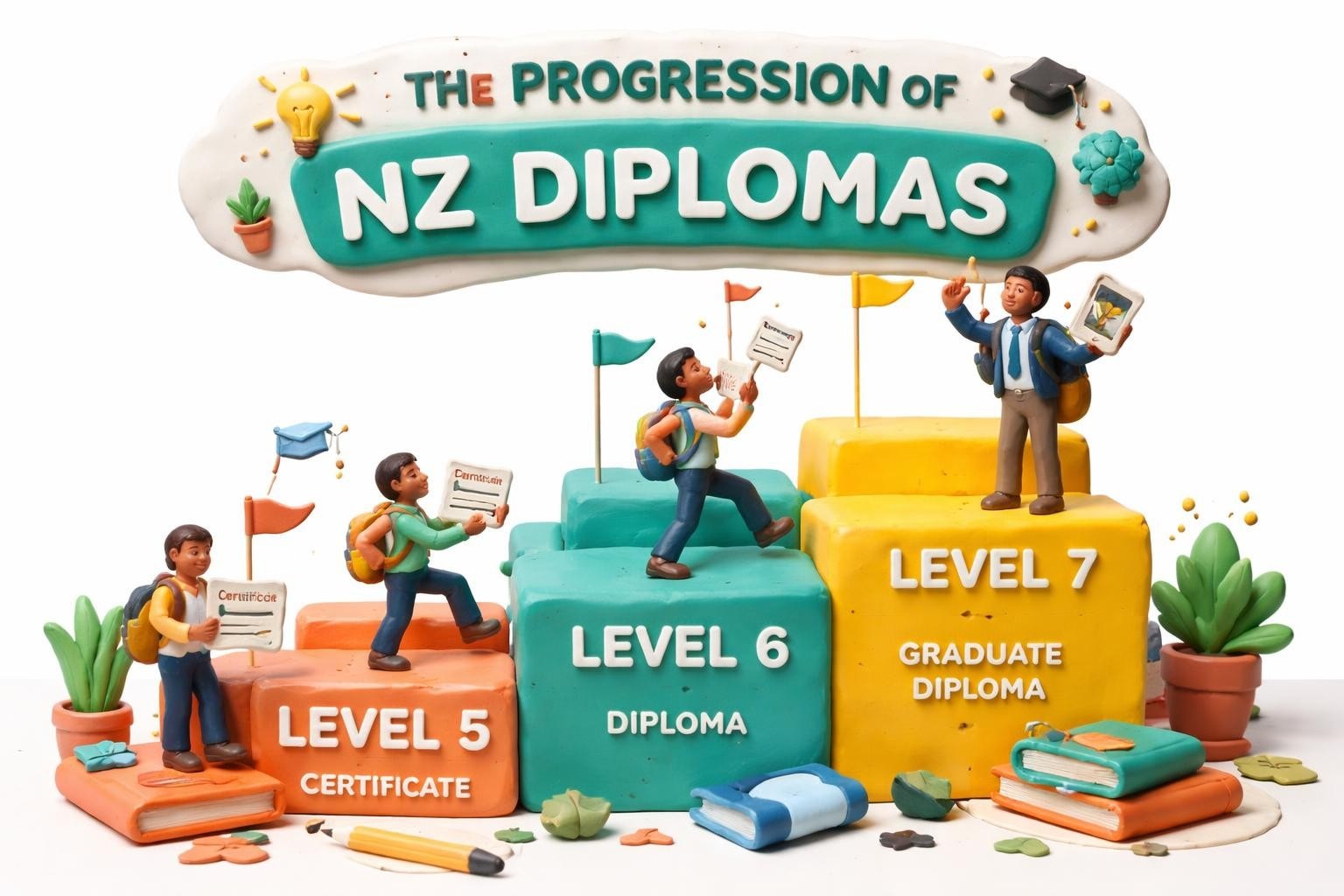
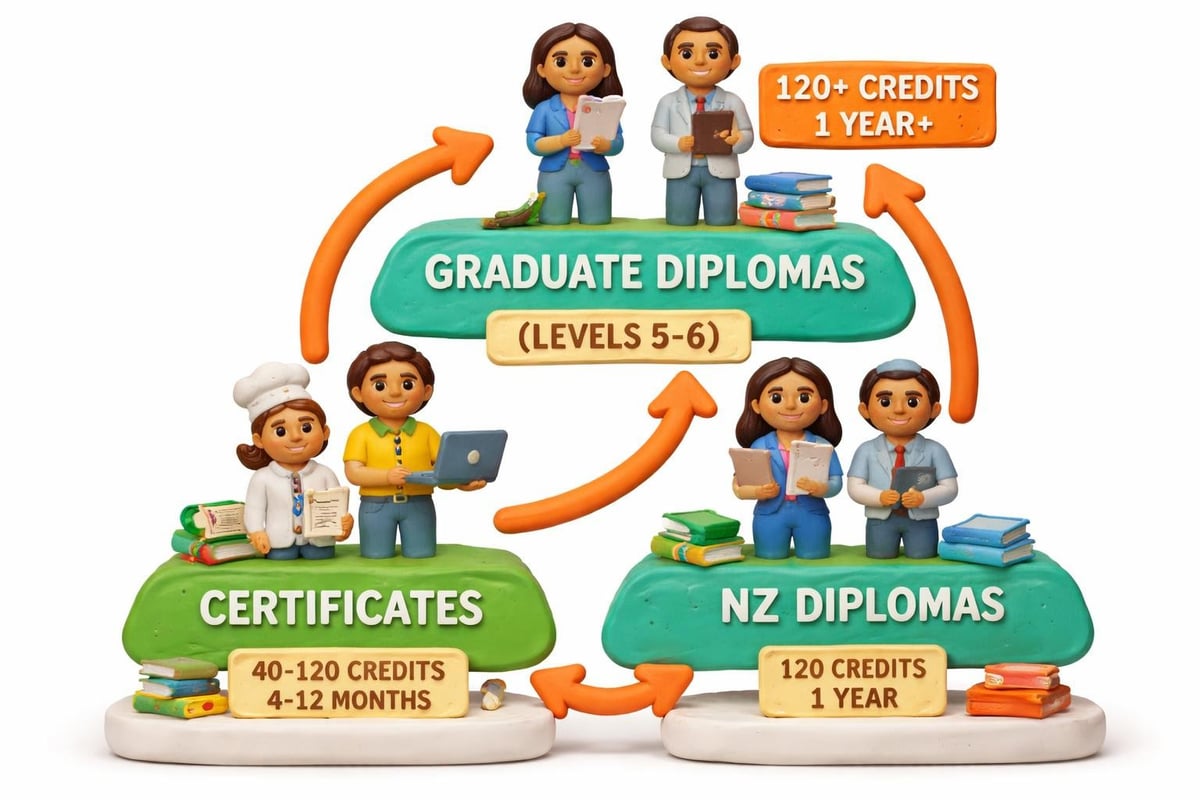
Diplomas NZ typically sit at Levels 5 and 6 on the NZQCF, though variations exist depending on the field of study. These qualifications require significant commitment, usually involving 120 credits or one year of full-time study.
Key characteristics of New Zealand diplomas include:
- Practical, applied learning focused on workplace readiness
- Industry consultation ensuring content remains current
- NZQA approval confirming quality standards
- Clear pathways to advanced study or employment
The framework distinguishes between undergraduate diplomas, which provide foundational knowledge in a field, and graduate diplomas, which build upon existing degree-level education. This structure creates multiple entry points for learners at different stages of their professional journey.
Types of Diplomas Available in New Zealand
New Zealand's education system offers several diploma categories, each serving distinct learner needs and career objectives. Understanding these differences helps you select the qualification that aligns with your goals.
Undergraduate Diplomas
These diplomas provide comprehensive training in specific fields without requiring prior tertiary education. They're designed for career-starters or career-changers seeking professional credentials.
| Feature | Details |
|---|---|
| Level | Typically NZQCF Level 5-6 |
| Duration | 1-2 years full-time |
| Entry Requirements | Secondary school qualification or equivalent |
| Outcome | Job-ready skills, pathway to degree study |
Programmes like the New Zealand Diploma in Business exemplify this category, offering learners practical business skills applicable across industries.
Graduate Diplomas
Graduate diplomas sit at Level 7 and require completion of a bachelor's degree as an entry requirement. These qualifications allow professionals to develop expertise in areas different from their undergraduate study.
Benefits of graduate diplomas include:
- Shorter duration than a full master's degree
- Focused specialisation in high-demand fields
- Enhanced career mobility across sectors
- Foundation for postgraduate study
Many universities across New Zealand offer these pathways, with institutions like AUT providing graduate certificates and diplomas across diverse disciplines.
Postgraduate Diplomas
Sitting at Level 8, postgraduate diplomas represent advanced study beyond bachelor's level. These qualifications suit professionals seeking specialised knowledge whilst maintaining flexibility in their study commitments compared to full master's programmes.
Industry-Focused Diploma Pathways
Diplomas NZ span numerous industries, reflecting the country's economic priorities and workforce development needs. Accredited providers design programmes in consultation with industry stakeholders to ensure graduates possess relevant, current skills.
Business and Administration
Business diplomas prepare learners for supervisory and management roles across sectors. These programmes typically cover financial literacy, operations management, strategic planning, and leadership development.
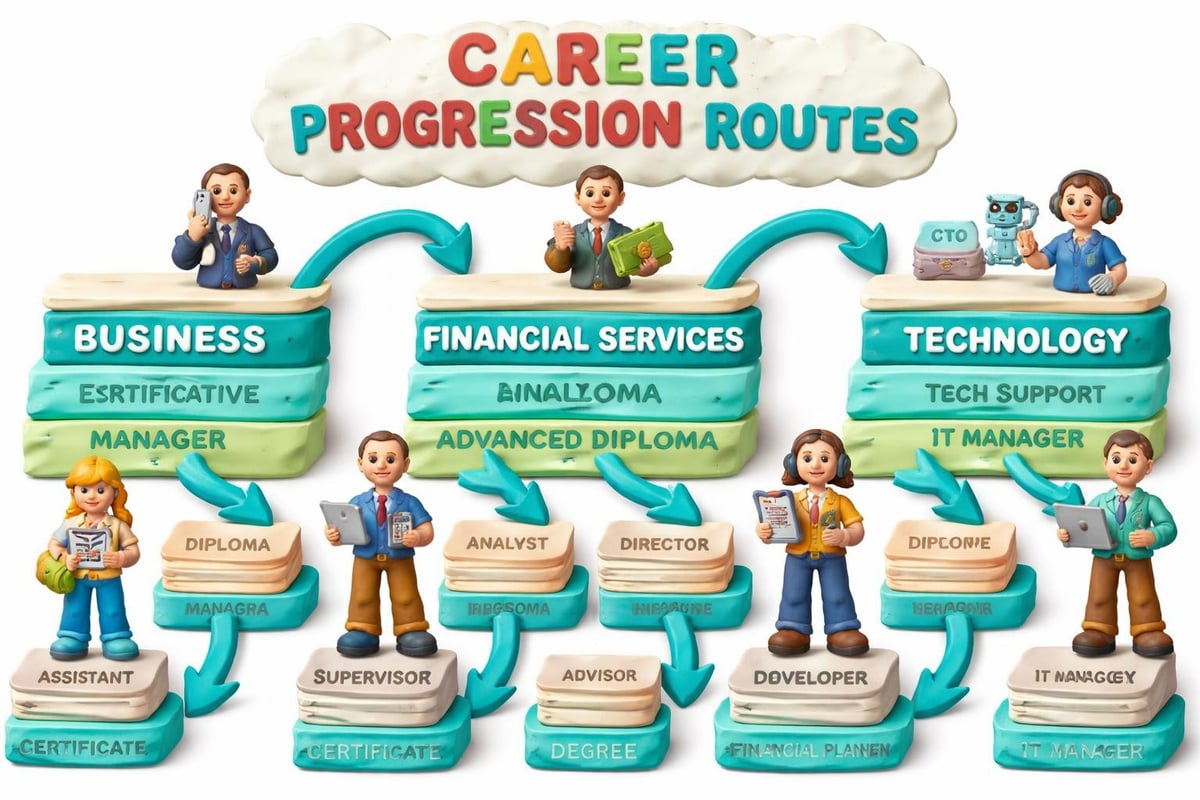
The progression from certificate to diploma allows learners to build skills incrementally. For instance, students might begin with a Level 3 Certificate in Business Administration and Technology, advance to a Level 4 Certificate in First Line Management, then complete a Level 5 diploma.
Financial Services
Specialised diplomas in financial services address the regulatory requirements and technical knowledge required in banking, insurance, and investment sectors. The New Zealand Certificate in Financial Services Level 5 demonstrates how qualifications prepare learners for compliance-focused industries.
Emerging Technologies and Education
As workplaces evolve, diplomas increasingly address emerging skill requirements. Programmes covering artificial intelligence, digital transformation, and technology integration in education prepare professionals for changing industry landscapes.
Flexible Learning Options for Diploma Students
Modern diplomas NZ accommodate diverse learner circumstances through varied delivery methods. Accredited providers recognise that students balance education with employment, family commitments, and other responsibilities.
Study Modes Available
- On-campus learning provides structured classroom environments with direct lecturer interaction
- Online delivery enables remote study with digital resources and virtual support
- Blended approaches combine face-to-face workshops with online components
- Workplace-based training integrates learning with employment
These options ensure accessibility for learners across New Zealand's geographic spread. Distance learning models have proven particularly valuable for regional students and working professionals.
Part-Time and Full-Time Study
Full-time diploma study typically involves 40 hours weekly of classes, assignments, and independent learning. Part-time options extend programme duration but reduce weekly commitments, making tertiary education feasible for employed learners.
| Study Mode | Weekly Commitment | Programme Duration | Suited For |
|---|---|---|---|
| Full-time | 30-40 hours | 1 year (120 credits) | School-leavers, career-changers |
| Part-time | 10-20 hours | 2-3 years | Working professionals |
| Accelerated | 45+ hours | 6-9 months | Intensive learners |
| Block courses | Variable | Depends on structure | Industry workers |
The subjects offered at accredited institutions demonstrate the breadth of options available across different industries and learning preferences.
Quality Assurance and NZQA Accreditation
Not all training providers meet the same quality standards. NZQA accreditation provides assurance that diplomas NZ deliver genuine educational value and industry recognition.
Understanding NZQA Accreditation
NZQA evaluates providers across multiple criteria, including educational performance, self-assessment capability, and regulatory compliance. NZQA accreditation represents a strong confidence rating, indicating consistently strong outcomes for learners.
NZQA-accredited providers demonstrate:
- High qualification completion rates
- Effective learner support systems
- Robust quality assurance processes
- Strong employment outcomes for graduates
This accreditation matters significantly when employers evaluate candidates' credentials. Graduates from highly-rated providers often experience smoother employment transitions and better professional recognition.
Programme Approval Process
Before any diploma programme can enrol students, it must gain NZQA approval. This process evaluates curriculum design, assessment methods, teaching qualifications, and resource adequacy.
Approved programmes align with national qualification specifications whilst maintaining flexibility to address regional or sector-specific needs. Regular reviews ensure content remains current as industries evolve.
Pathways Beyond Diploma Qualifications
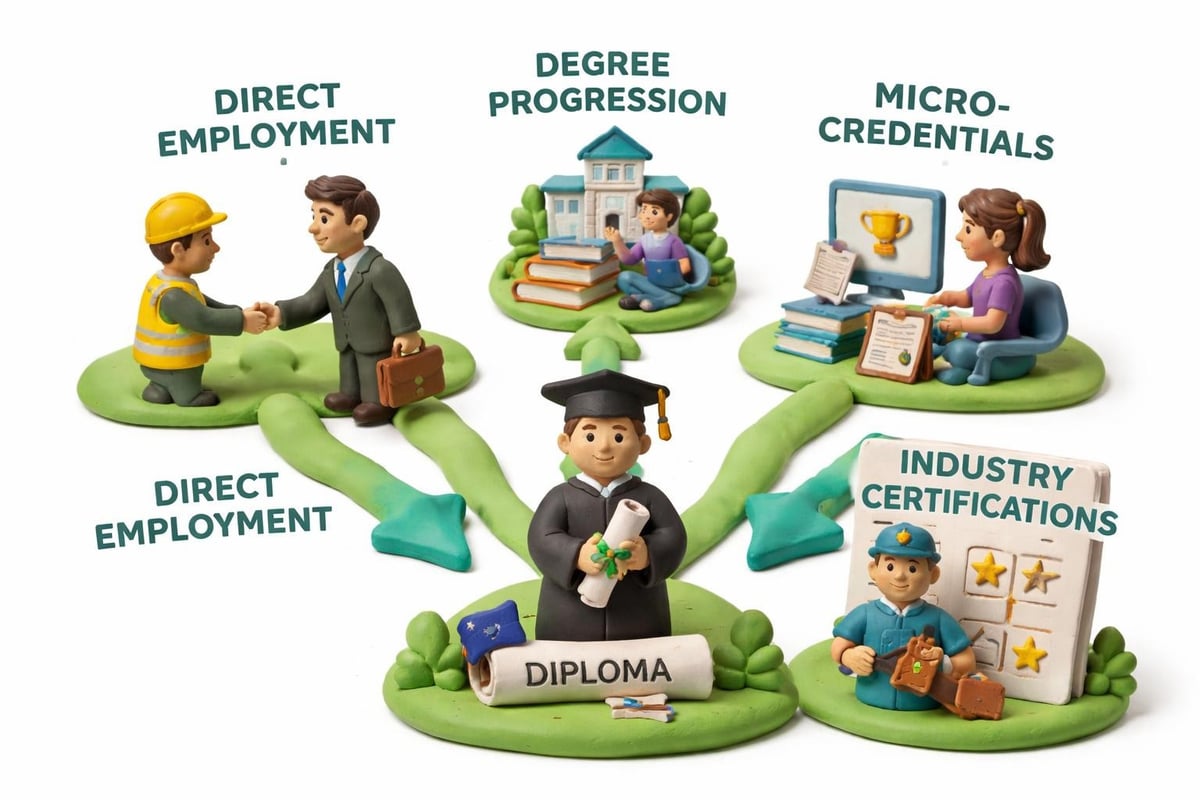
Completing a diploma opens multiple progression routes. The NZQCF structure facilitates credit recognition and articulation between qualification levels.
Degree Pathways
Many diplomas provide credit towards bachelor's degrees. Students who complete Level 5 or 6 diplomas often gain advanced standing when entering degree programmes, reducing overall study time.
Universities across New Zealand recognise diploma credits, though specific arrangements vary by institution and field of study. Prospective students should investigate articulation agreements between their chosen providers.
Professional Development and Micro-Credentials
Beyond traditional qualifications, micro-credentials offer targeted skill development in specific areas. These shorter programmes complement diploma qualifications, allowing professionals to maintain currency in rapidly changing fields.
Micro-credentials in areas like AI in education demonstrate how bite-sized learning fills gaps between formal qualifications whilst addressing immediate industry needs.
Employment Outcomes
Diplomas NZ produce job-ready graduates across sectors. Industry consultation during programme design ensures curriculum addresses actual workplace requirements rather than purely theoretical knowledge.
Choosing the Right Diploma Programme
Selecting an appropriate diploma requires careful consideration of career goals, learning preferences, and practical constraints. A systematic approach to this decision improves outcomes.
Assessing Career Alignment
Begin by identifying industries and roles that interest you. Research typical qualification requirements for these positions, noting whether employers specify particular credentials or providers.
Questions to consider:
- What qualifications do current professionals in your target role hold?
- Are specific credentials mandatory for registration or practice?
- How does the diploma align with long-term career aspirations?
- Does the programme offer specialisations matching your interests?
Evaluating Provider Quality
Beyond NZQA accreditation, investigate provider-specific factors that affect learning experience and outcomes. Completion rates, graduate employment statistics, and learner satisfaction surveys provide valuable insights.
Visit campuses when possible, speak with current students, and review detailed programme information before committing. The time invested in this research pays dividends through better programme fit.
Financial Considerations
Diploma costs vary significantly between providers and programmes. Beyond tuition fees, consider materials, equipment, and opportunity costs if reducing work hours to study.
Student loans and allowances may be available for approved qualifications. Understanding financial support options early in your planning process enables more realistic decision-making.
International Recognition of New Zealand Diplomas
For learners considering overseas opportunities, understanding how diplomas NZ transfer internationally becomes important. New Zealand's education system enjoys strong global reputation, though specific recognition varies by country.
Recognition Frameworks
New Zealand participates in several international recognition arrangements. The recognition of tertiary qualifications overseas depends on bilateral agreements, professional body requirements, and credential evaluation services.
Graduates seeking to work abroad should research specific recognition requirements in their target country. Professional associations often maintain lists of recognised qualifications or equivalency assessment processes.
Academic Transcript Importance
Official academic transcripts and qualification certificates facilitate international recognition. These documents detail completed courses, credit values, and grade achievements, enabling overseas institutions to assess equivalency.
Specialised Industry Diplomas
Certain sectors require highly specific training that general business or technology diplomas cannot adequately address. Specialised diplomas serve these niche but critical industries.
Safety and Technical Fields
Industries involving high-risk activities demand rigorous training and certification. Diplomas in areas like industrial rope access exemplify how qualifications combine theoretical knowledge with practical competency assessment.
These programmes often integrate:
- Workplace health and safety standards
- Technical skill development
- Regulatory compliance training
- Industry-recognised assessments
Adult Education and Training
For those interested in teaching and training roles, specialised qualifications like the New Zealand Certificate in Adult and Tertiary Teaching provide pedagogical foundations and practical teaching experience.
Making Your Enrolment Decision
Once you've identified an appropriate diploma programme and provider, the enrolment process transforms your research into action. Understanding entry requirements and application procedures reduces stress during this transition.
Entry Requirements
Most diploma programmes specify minimum entry criteria, which may include:
- Secondary school qualifications (NCEA Level 2 or 3, depending on programme level)
- Relevant work experience in lieu of formal qualifications
- English language proficiency for international students
- Specific prerequisite knowledge in technical fields
Some programmes assess suitability through interviews or portfolios rather than solely academic transcripts. This approach recognises diverse pathways to readiness for diploma-level study.
Application Timelines
New Zealand's academic year typically begins in February, with some programmes offering mid-year intakes in July. Application deadlines vary between providers, though earlier submission generally improves placement prospects.
International students should allow additional time for visa processing and accommodation arrangements. Planning twelve months ahead for major study decisions provides adequate preparation time.
Support Services for Diploma Learners
Successful qualification completion depends partly on effective learner support. Quality providers invest in services that address academic, personal, and professional development needs.
Academic Support
Literacy and numeracy assistance, study skills workshops, and subject-specific tutoring help students navigate challenging content. Many learners return to formal education after gaps of years or decades, requiring refreshers on academic conventions.
Career Development
Career advisors assist with CV preparation, interview techniques, and job search strategies. These services become particularly valuable as graduation approaches and employment searches intensify.
Flexible Study Arrangements
Life circumstances change during diploma study. Responsive providers accommodate genuine difficulties through study breaks, deadline extensions, or transfer between delivery modes when appropriate.
The Value Proposition of Diplomas NZ
Diplomas represent substantial time and financial investment. Understanding their value proposition helps learners maintain motivation through challenging periods and make informed comparisons with alternative credentials.
Compared to Certificates
Diplomas provide deeper knowledge and broader skill sets than certificates. This additional depth typically translates to enhanced employment prospects and higher starting salaries in many fields.
Compared to Degrees
Degrees require longer commitment and often involve more theoretical content. Diplomas offer faster entry to employment whilst maintaining quality and rigour appropriate to their qualification level.
For some career paths, practical diploma credentials prove more valuable than theoretical degrees. Industry context determines which qualification type best serves particular professional objectives.
Diplomas within New Zealand's qualifications framework offer structured, quality-assured pathways to professional competency across diverse industries. Whether you're beginning your career journey, transitioning between sectors, or developing specialised expertise, nationally recognised credentials provide the foundation for sustainable career development. Summit Institute delivers NZQA-accredited diplomas and certificates across business, financial services, emerging technologies, and specialised industries, with flexible learning options designed to accommodate your circumstances whilst maintaining the rigorous standards that employers value.