

As we approach 2026, the demand for accessible, high-impact skills development in the UK continues to rise. More professionals are seeking practical ways to adapt and thrive in a rapidly changing job market.
Upskilling is now essential for opening new career doors, boosting your earning potential, and ensuring your career remains resilient. The good news is that professional growth is no longer limited by high costs, with quality courses under £500 making advancement possible for everyone.
In this article, you will discover our handpicked top 10 courses under £500. Covering a wide range of fields and learning needs, these options are designed to help you make a smart, affordable investment in yourself.
Why Upskilling Matters in 2026
The UK workforce is undergoing one of its most significant transitions in decades. As 2026 approaches, professionals across all sectors are seeking affordable and flexible ways to adapt. Accessible courses under £500 are increasingly seen as a strategic investment, offering practical routes for individuals to stay ahead, secure better roles, and meet employer expectations in a rapidly changing environment.
The Evolving Job Market
The pace of technological change is accelerating, with automation and artificial intelligence transforming industries across the UK. Traditional roles are evolving or becoming obsolete, while new career paths in data science, cloud computing, and digital marketing are emerging. According to the UK Report on Jobs February 2026, employers are struggling to fill positions due to persistent skills shortages. This makes adaptability and continuous learning essential. By enrolling in courses under £500, professionals can proactively address these gaps and position themselves for success in the future job market.
The Value of Professional Development
Investing in ongoing education offers clear benefits for career progression. Professionals who upskill regularly tend to enjoy higher earning potential and greater job security. Many individuals have advanced their careers through short, targeted courses under the £500 mark, gaining credentials that employers value. Increasingly, organisations expect staff to maintain up-to-date skills and show evidence of learning agility. Real-world examples abound of people who have pivoted into new roles or secured promotions simply by choosing the right short course at the right time.
Affordability & Accessibility of Online Learning
Online and blended learning platforms have made education more accessible than ever. Affordable courses under £500 allow learners from all backgrounds to gain valuable skills without the financial burden of traditional degree programmes. Compared to lengthy academic routes, short courses offer targeted content, flexible schedules, and lower costs, making them ideal for busy professionals. UK data shows a significant rise in online learning uptake, with more adults seeking cost-effective ways to boost their employability and meet evolving workplace demands.
Skills in High Demand for 2026
In 2026, the most sought-after skills will span both technical and soft domains. Digital literacy, data analysis, and technology expertise are top priorities, while communication, leadership, and project management remain essential. Industry-specific needs also shape demand, with finance, healthcare, and creative sectors all requiring up-to-date capabilities. Government and industry projections highlight that taking courses under £500 in these areas can provide a competitive edge for job seekers and career changers alike.
How to Choose the Right Course for You
Selecting the best learning pathway starts with assessing your career goals and identifying current skill gaps. Look for courses under £500 that offer recognised accreditation and are valued by employers in your field. Consider factors such as time commitment, delivery mode, and overall cost to ensure the course fits your circumstances. Practical tips include checking provider reviews, verifying credentials, and seeking recommendations from industry peers. Making an informed choice will maximise your return on investment and help future-proof your career.
Top 10 Courses Under £500 to Boost Your Skills in 2026
Investing in affordable, high-impact learning is crucial for staying ahead in the UK job market. With a growing range of courses under £500, professionals can upskill, pivot careers, or boost their CVs without breaking the bank. Below, we present the top 10 courses under this price point, covering digital, creative, business, and practical skills. If you would like to browse a broader selection, you can find an overview of available subjects to explore more courses under £500 tailored to your goals.
1. Google Data Analytics Professional Certificate (Coursera)
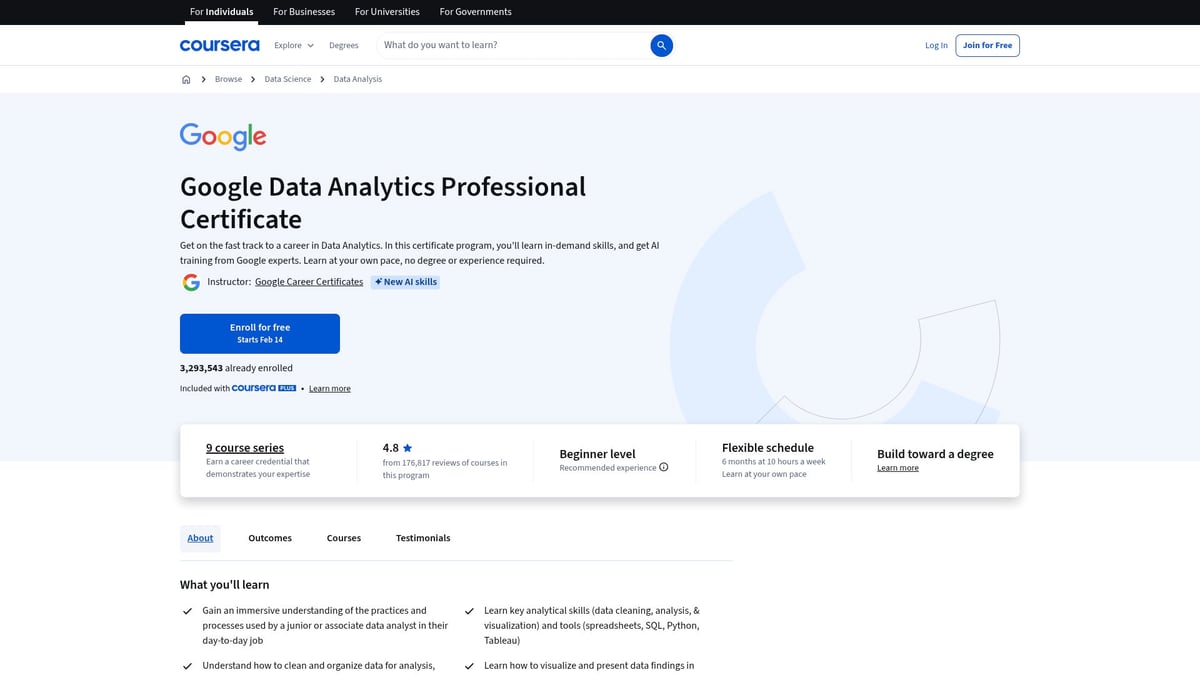
Data analytics remains one of the most sought-after skills in the modern workforce. This course, priced at around £39 per month and typically completed in six months, is one of the most flexible courses under £500.
Key features include:
- Hands-on data analysis projects
- Real-world case studies
- Google certification upon completion
Benefits:
- Prepares learners for entry-level data analyst roles
- Highly recognised by employers
Target audience:
- Beginners, career changers, and those eager to upskill
Pros:
- Flexible, self-paced schedule
- Industry-recognised certification
Cons:
- Subscription model, so costs may exceed £500 if not completed promptly
Example: Over 700,000 enrolments globally, reflecting strong demand for data skills.
2. CIPD Level 3 Foundation Certificate in People Practice (Avado)
For those seeking entry into HR, this course is one of the leading courses under £500, starting from £499 with payment plans available.
Key features:
- HR fundamentals, employment law, and employee relations
- Interactive assignments
Benefits:
- Entry-level HR qualification
- Pathway to advanced CIPD courses
Target audience:
- Aspiring HR professionals and administrators
Pros:
- CIPD accreditation, widely recognised by UK employers
Cons:
- Time-intensive, requiring consistent commitment
Example: High pass rates and strong employer recognition make this a solid investment.
3. Summit Institute NZQA Micro-credentials
Micro-credentials are rapidly growing as short, affordable courses under £500. Summit Institute offers industry-focused options in business, AI, financial services, and more, with prices varying by course.

Key features:
- NZQA-accredited micro-credentials
- Flexible blended delivery
Benefits:
- Nationally recognised qualifications
- Tailored learning pathways
Target audience:
- Professionals, career switchers, and those seeking certified skills
Pros:
- Accredited and culturally responsive learning
Cons:
- Primarily for NZ-based learners
Example: High completion rates and flexible study options.
4. Microsoft Certified: Azure Fundamentals (Microsoft Learn)
Cloud computing skills are among the most in-demand, and this course is one of the most affordable courses under £500, with an exam fee of about £69 and free learning resources.
Key features:
- Cloud computing basics
- Azure platform skills
Benefits:
- Entry point to cloud careers
- Marketable certification
Target audience:
- IT beginners and business professionals
Pros:
- Globally recognised, low-cost certification
Cons:
- Self-directed study, basic level only
Example: Cloud skills are consistently in the top UK tech hiring needs.
5. Digital Marketing Nanodegree (Udacity)
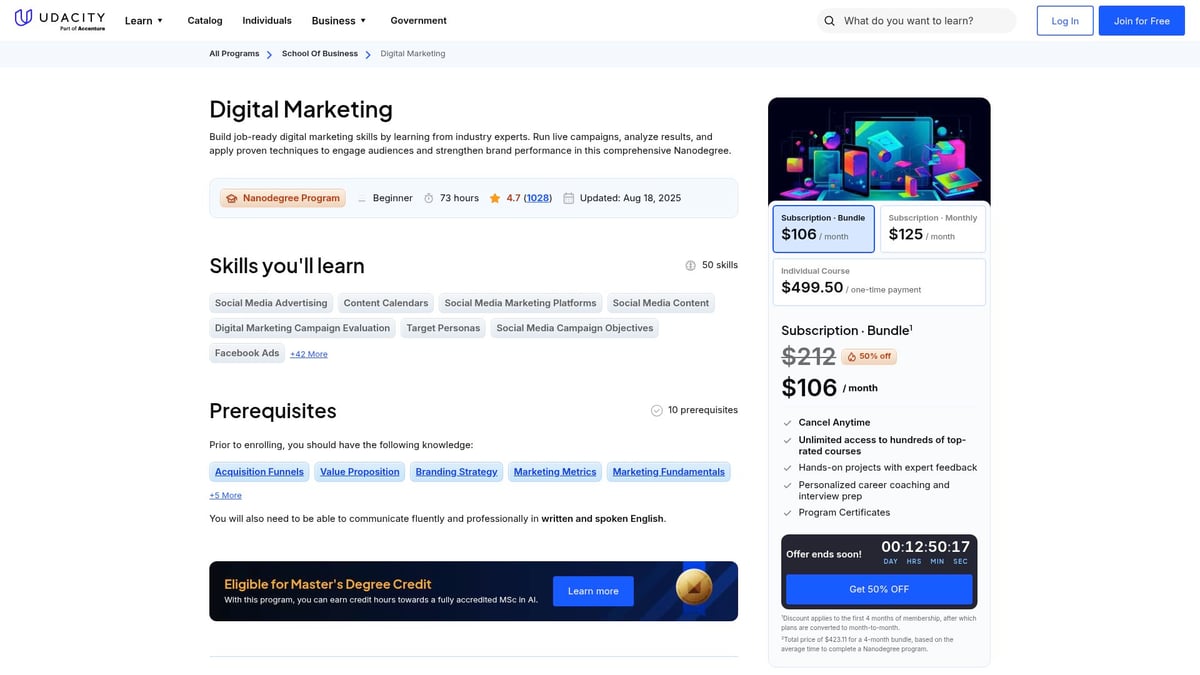
Digital marketing remains a priority for many businesses, making this one of the essential courses under £500. Priced under £500 for three months of access, it covers practical, in-demand skills.
Key features:
- SEO, social media, and content marketing
- Analytics and portfolio projects
Benefits:
- Industry insight
- Practical, hands-on learning
Target audience:
- Entrepreneurs, marketers, small business owners
Pros:
- Mentor support, project-based learning
Cons:
- Must complete within the access period
Example: Digital marketing jobs are projected to grow by 10% by 2026.
6. Prince2 Foundation Certification (Axelos)
Project management is a vital skill set, and the Prince2 Foundation is one of the most respected courses under £500, with exam fees from £350.
Key features:
- Comprehensive project management methodology
- Exam preparation materials
Benefits:
- Recognised by UK employers
- Essential for project management roles
Target audience:
- Aspiring project managers, team leaders
Pros:
- Flexible learning, industry standard
Cons:
- Heavily theory-based
Example: Over one million certified globally, with strong demand in both public and private sectors.
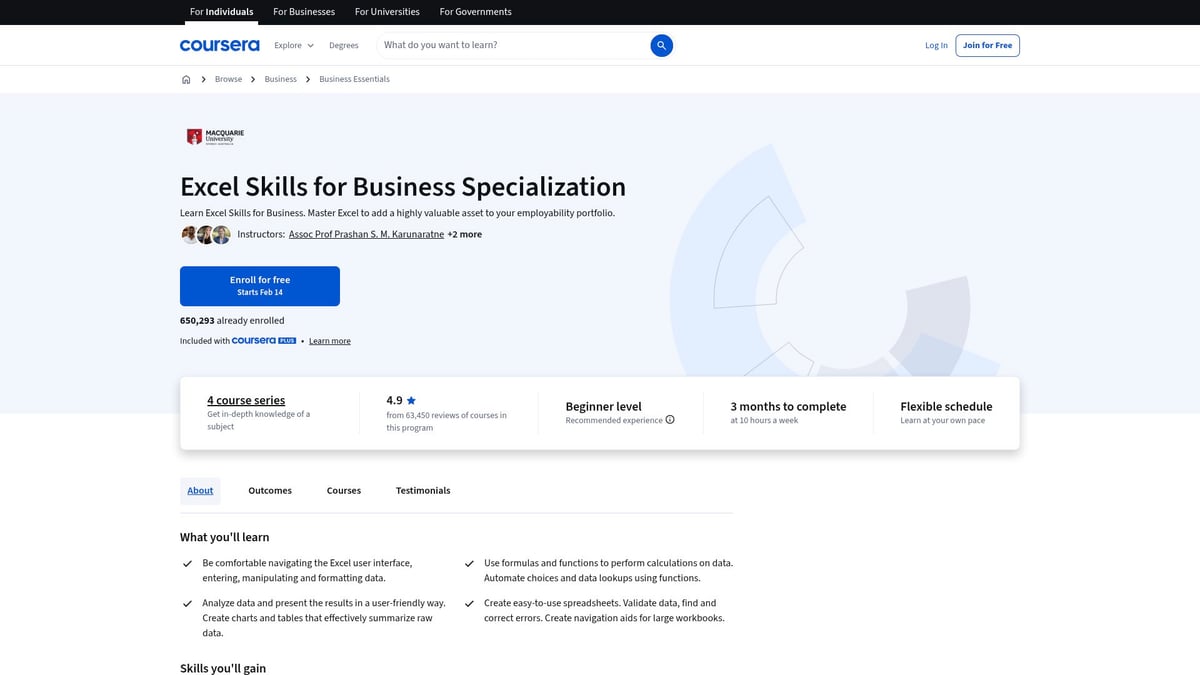
7. Excel Skills for Business Specialisation (Coursera/ Macquarie University)
Excel proficiency is required in countless roles, making this one of the most practical courses under £500. At £39 per month, most learners complete it in four months.
Key features:
- Excel formulas and data visualisation
- Automation techniques
Benefits:
- Enhances productivity and job prospects
Target audience:
- Admin, finance, analysts, students
Pros:
- Beginner-friendly, practical projects
Cons:
- Subscription costs can add up if not finished promptly
Example: Excel is listed in 80% of UK job postings requiring office software.
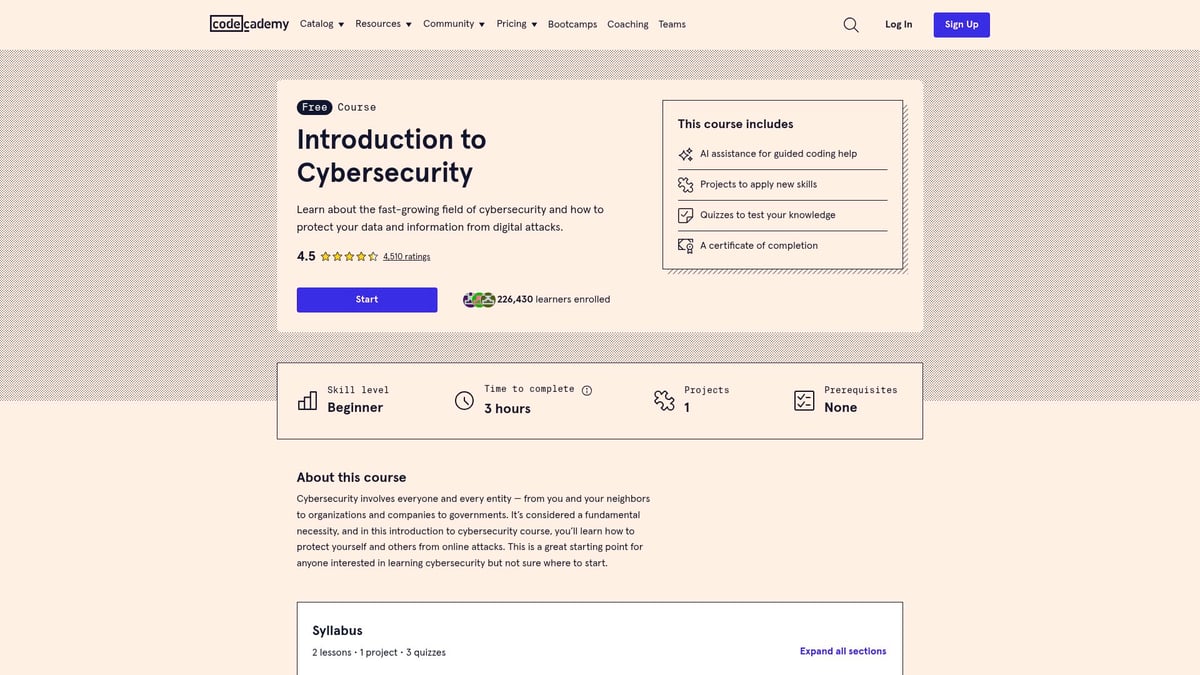
8. Introduction to Coding (Codecademy)
With coding skills in high demand, this is one of the most accessible courses under £500. Codecademy Pro starts at £15 per month, with some free content available.
Key features:
- Interactive coding lessons in Python, JavaScript, HTML/CSS
- Immediate feedback
Benefits:
- Foundation for tech careers
- Hands-on practice
Target audience:
- Beginners, students, career switchers
Pros:
- Self-paced, interactive
Cons:
- No formal accreditation
Example: Coding skills are in the top five for UK digital economy jobs.
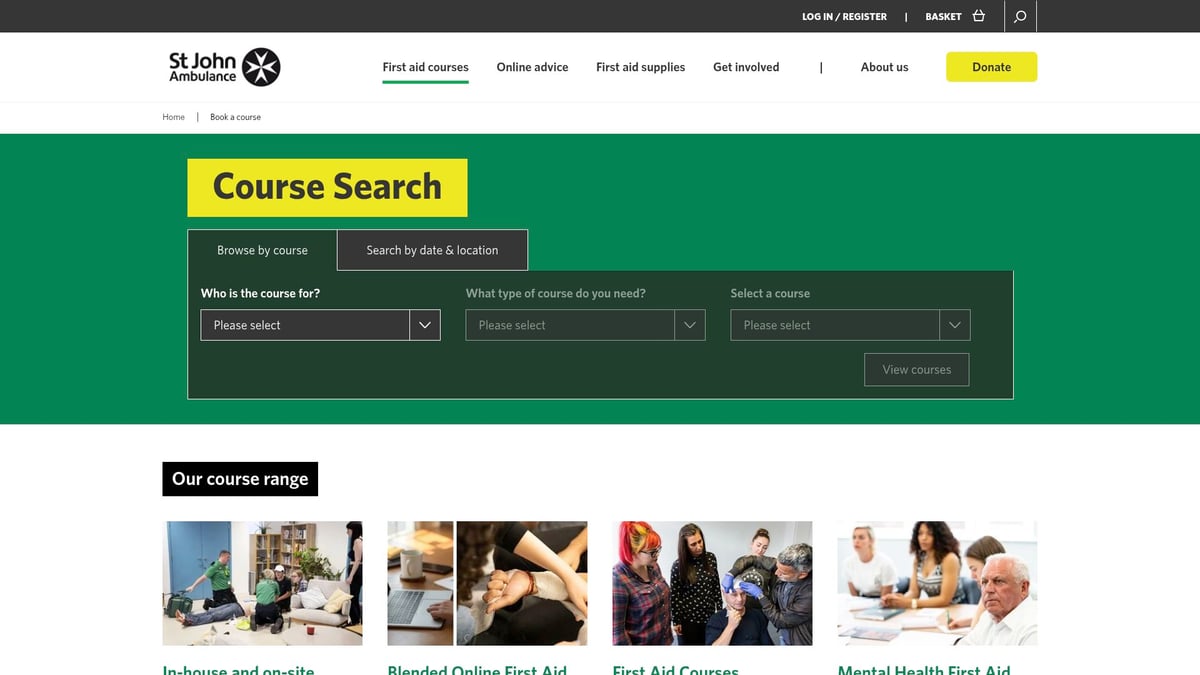
9. First Aid at Work (St John Ambulance)
Health and safety remain a priority, and this is one of the key practical courses under £500. The accredited three-day course starts at £295.
Key features:
- Emergency response and CPR training
- Workplace compliance
Benefits:
- Meets legal workplace requirements
- Life-saving skills
Target audience:
- Employees, managers, safety officers
Pros:
- Accredited, hands-on instruction
Cons:
- Only available in person
Example: Over 100,000 workers trained annually in the UK.
10. Creative Writing: Write Your First Novel (FutureLearn)
Creativity and communication are increasingly valued, and this is one of the most inspiring courses under £500. Unlimited access is £62, with free limited access available.
Key features:
- Story structure and character development
- Writing exercises
Benefits:
- Builds creative and communication skills
- Supports portfolio creation
Target audience:
- Aspiring writers, students, hobbyists
Pros:
- Expert instruction, supportive community
Cons:
- No formal qualification
Example: Creative writing skills are valued in content, marketing, and education sectors.
Summary Table: Top 10 Courses Under £500
| Course Name | Provider | Price | Key Skill Area | Suitable For |
|---|---|---|---|---|
| Google Data Analytics | Coursera | ~£234 | Data Analysis | Beginners, upskillers |
| CIPD L3 People Practice | Avado | £499 | HR, People Skills | HR starters |
| Summit NZQA Micro-credentials | Summit Institute | Variable | Business, AI, Finance | Professionals, switchers |
| Azure Fundamentals | Microsoft Learn | £69 | Cloud, IT | IT beginners |
| Digital Marketing Nanodegree | Udacity | <£500 | Marketing | Entrepreneurs, marketers |
| Prince2 Foundation | Axelos | £350 | Project Management | PM aspirants |
| Excel Skills for Business | Coursera | ~£156 | Excel, Data | Admin, finance |
| Introduction to Coding | Codecademy | £60+ | Coding | Beginners |
| First Aid at Work | St John Ambulance | £295 | First Aid | Employees |
| Creative Writing | FutureLearn | £62 | Writing | Aspiring writers |
Choosing the right courses under £500 can be a game-changer for your career. The options above provide both depth and flexibility, making upskilling achievable for every learner in the UK.
How to Make the Most of Your Chosen Course
Choosing one of the many courses under £500 is a valuable step, but maximising your investment requires a strategic approach. By setting clear goals, engaging with your learning community, and applying your new skills, you can ensure your chosen course delivers lasting professional impact.
Setting Goals and Tracking Progress
Before you start any courses under £500, define what you want to achieve. Are you aiming for a promotion, a career change, or simply to fill a skill gap? Setting SMART (Specific, Measurable, Achievable, Relevant, Time-bound) goals can help clarify your direction.
Break your chosen course into manageable milestones. Use digital tools like spreadsheets or apps to track your progress. This keeps you motivated and ensures you stay on course. For example, if you are taking a business administration short course, document each completed module and reflect on your learning outcomes. Regular reviews help you adjust your plan if needed and celebrate your achievements along the way.
Networking and Community Engagement
Connecting with others is one of the most effective ways to enhance your experience with courses under £500. Many online platforms feature discussion forums, group projects, or alumni networks. Actively participate in these spaces to exchange ideas, solve challenges, and gain new perspectives.
Engaging with peers can also open doors to job opportunities and collaborations. Join LinkedIn groups or online communities related to your course subject. Participating in these networks builds your professional profile and can lead to lasting relationships beyond the classroom. If your course includes live sessions, use them to ask questions and share insights, making the most of every networking opportunity.
Applying New Skills in Real Life
The true value of courses under £500 comes when you put your learning into practice. Look for ways to apply your new knowledge to workplace tasks, freelance projects, or even personal ventures. For example, after completing micro-credentials in financial services, you might assist your team with data analysis or process improvements.
Build a portfolio that showcases your completed projects, certificates, and new competencies. Update your CV and LinkedIn profile to reflect these achievements. Sharing your success stories with your employer or clients can demonstrate your commitment to growth and may unlock further career opportunities.
Funding, Support, and Further Opportunities
Investing in courses under £500 can be a strategic way to upskill without breaking the bank. However, making the most of these opportunities often depends on understanding funding options, course accreditation, and future learning pathways. In this section, we explore how to secure support, choose reputable providers, and leverage short courses for long-term professional growth.
Exploring Funding Options
Securing funding for courses under £500 is often easier than many expect. Many UK employers are increasingly willing to sponsor short courses under this price point, especially those that address workplace skill gaps. Government funding and bursaries are also available for adult learners, with schemes specifically supporting upskilling for in-demand roles.
Negotiating a training budget at work can be straightforward if you align your request with business needs. Highlighting how courses under £500 offer measurable returns for both employee and employer is effective. The growth in affordable online education means there are more options than ever, with the UK online education market projected to reach $5.5 billion by 2033, making funding even more accessible. Remember to research eligibility criteria for each funding source to maximise your support.
Recognising Accredited vs. Non-Accredited Courses
When considering courses under £500, always check the accreditation status and reputation of the provider. Accredited courses under this price often carry more weight with employers, as they meet industry standards and may be recognised for future study or professional progression.
For example, a comparison between learners who complete accredited courses under £500 and those who opt for non-accredited programmes often shows higher employability and salary outcomes for the former. Employers value up-to-date, recognised qualifications, especially in fields where skills shortages are well-documented. According to the UK skills shortage costs businesses £6.1 billion annually, choosing reputable courses under £500 is essential for both individual and business growth.
Pathways to Advanced Qualifications
Courses under £500 can be powerful stepping stones towards higher qualifications. Many short courses offer credit transfer or recognition of prior learning, making it easier to progress to diplomas or degrees. Learners who begin with micro-credentials often find themselves well-prepared for more advanced study, and some providers offer clear pathways for continued education.
For instance, Micro-credentials in financial services enable learners to gain industry-relevant skills for under £500, with the option to build towards full qualifications over time. Case studies show that starting with affordable courses under £500 can lead to sustained career advancement, as each credential adds value and momentum to your professional journey.
As you consider your next steps for professional growth, remember that investing in yourself doesn’t have to break the bank. The right course can unlock new career opportunities, boost your confidence, and help you stay relevant in a rapidly changing job market. Whether you’re looking to develop practical skills, gain an accredited qualification, or simply try something new, there’s never been a better time to upskill. Ready to make a smart move and shape your future? Get ahead now!