
Education is changing at an unprecedented rate, driven by technology, innovation, and shifting industry demands. Choosing the right courses subjects is more important than ever for building a successful future. With automation and new fields emerging, today’s decisions shape tomorrow’s opportunities.
This article uncovers the top 10 courses subjects that will define careers and industries in 2026. Each subject is closely aligned with global trends, rapid technological advances, and evolving workforce needs. Explore these high-impact areas to future-proof your learning and take the next step towards a rewarding career.
Why Course Subject Choice Matters in 2026
Choosing the right courses subjects has never been more critical as the world of work faces rapid transformation. With technology revolutionising every sector, the decisions you make today can shape your career for years to come.
The job market is evolving at an unprecedented pace. Automation, artificial intelligence, and globalisation are creating new industries while reshaping existing ones. According to the World Economic Forum’s Future of Jobs Report 2025, up to 85 million jobs could be displaced by automation by 2025, but a remarkable 97 million new roles may emerge in their place. This shift highlights the importance of selecting courses subjects that align with high-growth sectors and the demands of the future workforce.
Courses subjects focused on areas such as artificial intelligence, sustainability, and healthcare offer learners a pathway to future-proof their careers. These fields are not just expanding, they are fundamentally changing how we live and work. For example, data science and digital marketing were niche disciplines a decade ago. Today, they are central to business strategy and innovation, driving demand for professionals with up-to-date expertise.
Adaptability and lifelong learning are now essential qualities for success. The unpredictable nature of the global economy means that individuals must be ready to pivot, reskill, and embrace new challenges. Employers increasingly value candidates who demonstrate a commitment to continuous improvement and possess current qualifications relevant to emerging trends.
Transferable skills are equally important. Courses subjects that foster digital literacy, critical thinking, and interdisciplinary knowledge provide a strong foundation for a resilient career. Whether you are entering the workforce or considering a career change, your ability to combine technical know-how with soft skills can set you apart in a competitive landscape.
Consider the impact of past trends. The rise of big data and the digital economy created new roles and opportunities, while those with outdated skills faced greater uncertainty. Today, integrating courses subjects that reflect technological advancements and industry needs is key to unlocking long-term employability.
In summary, making informed choices about courses subjects ensures you are not just keeping pace, but staying ahead. By aligning your learning with growth sectors and developing both specialised and transferable skills, you can build a career that is adaptable, rewarding, and secure in the face of ongoing change.
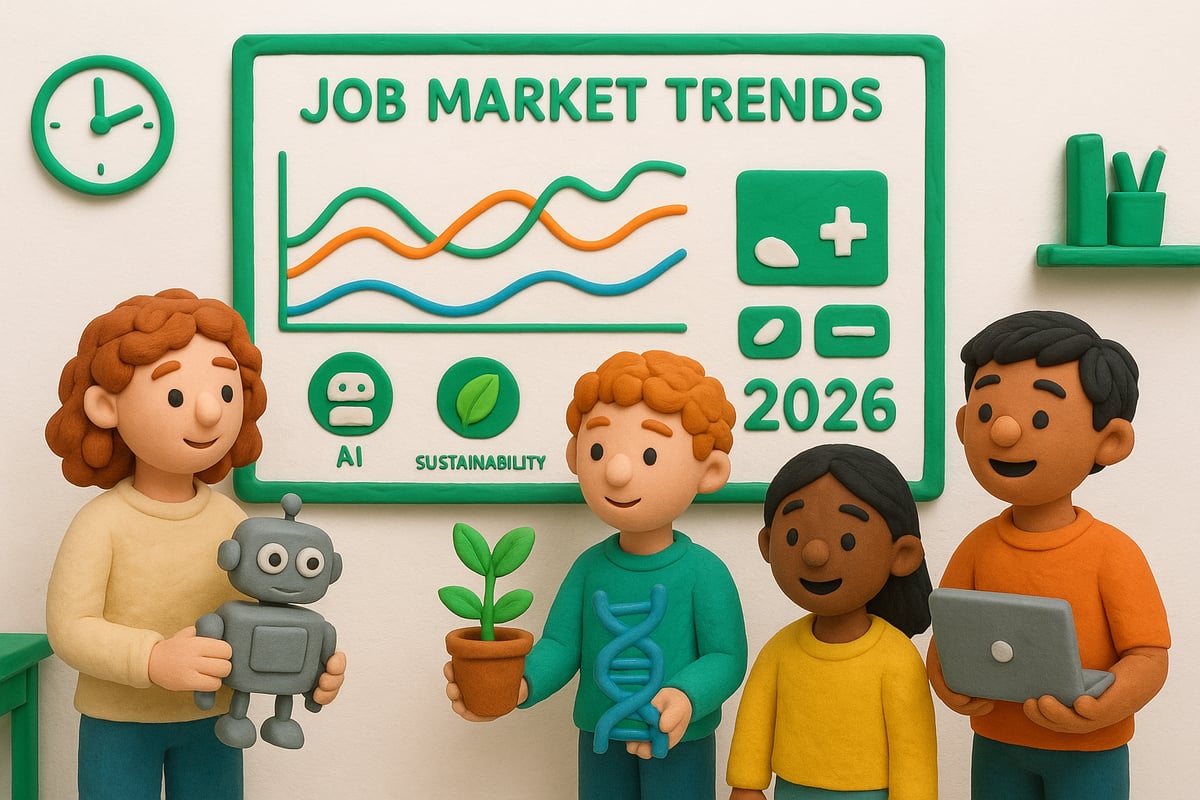
Top 10 Course Subjects to Explore in 2026
Choosing the right courses subjects can be a defining moment for your future career. The landscape in 2026 will demand expertise across technology, sustainability, digital transformation, and human-centric fields. Here, we break down the ten most influential courses subjects you should consider, each aligning with industry trends and evolving workforce needs.

1. Artificial Intelligence & Machine Learning
Artificial Intelligence and Machine Learning are revolutionising every industry, making them essential courses subjects for 2026. These fields teach students core skills like data analysis, neural networks, and process automation. Demand for AI expertise is soaring, with LinkedIn reporting a 119% increase in related job postings in 2023.
Professionals trained in these courses subjects can pursue roles such as AI engineer, data scientist, and automation specialist. The versatility of AI stretches to healthcare, finance, logistics, and education, ensuring broad career opportunities. Ethical use and responsible innovation are central themes, preparing graduates to navigate complex social and legal landscapes.
Leading universities and online platforms now offer advanced AI programmes. For those seeking foundational knowledge, you can explore the Fundamentals of AI in education to get started. Salaries in this domain are competitive, and the potential for career growth is immense. AI’s interdisciplinary nature makes it a top choice among courses subjects for future-proofing your career.
2. Sustainable Energy & Environmental Science
The global shift towards sustainability is accelerating demand for courses subjects in sustainable energy and environmental science. These subjects equip learners with knowledge of renewable energy systems, climate science, and environmental policy. The UK’s Green Jobs Taskforce estimates 1.2 million green jobs by 2030, highlighting the sector’s rapid growth.
Typical modules include solar technology, carbon management, and the circular economy. Practical skills like project management, data modelling, and fieldwork feature prominently in these courses subjects, preparing students for roles in energy firms, consultancies, and NGOs.
Sustainable energy experts are instrumental in shaping infrastructure and policy. The sector also offers opportunities for innovation and entrepreneurship, particularly as governments and businesses prioritise green solutions. As climate change challenges intensify, these courses subjects will remain vital for those eager to make a positive impact.
3. Cybersecurity & Digital Risk Management
As digital transformation accelerates, protecting information assets is more critical than ever, making cybersecurity and digital risk management top courses subjects. Students master network security, ethical hacking, and risk assessment, addressing both technical and strategic aspects of digital defence.
The cybersecurity job market is projected to grow by 33% by 2030, according to the US Bureau of Labor Statistics. Real-world incidents, such as NHS ransomware attacks and global data breaches, underscore the importance of these courses subjects. Industry-recognised certifications, such as CISSP and CompTIA, are often integrated into the curriculum.
Employers range from government departments to private enterprises, all seeking professionals who can adapt to evolving threats. Career progression can lead to roles like security analyst, chief information security officer, or consultant. Continuous upskilling is essential, as the threat landscape is always changing.
4. Healthcare & Biotechnology
Healthcare and biotechnology remain at the forefront of innovation, making them standout courses subjects for students aiming to address global health challenges. These programmes cover molecular biology, bioinformatics, and public health, blending science with technology.
The NHS forecasts a need for over 100,000 new healthcare roles by 2030. Breakthroughs like CRISPR, wearable technology, and telemedicine are transforming patient care and research. Graduates of these courses subjects can become clinical researchers, biotech entrepreneurs, or healthcare analysts.
Interdisciplinary collaboration is key, as these fields often intersect with IT, engineering, and ethics. Regulatory knowledge and ethical considerations are embedded throughout the curriculum, ensuring responsible practice. With the world’s growing focus on health and longevity, these courses subjects are both future-facing and impactful.
5. Business Analytics & Data Science
Data-driven decision-making is now a business imperative, propelling business analytics and data science into the top tier of courses subjects. Students gain expertise in statistics, big data, visualisation, and predictive analytics, all vital for modern organisations.
A staggering 70% of UK businesses report shortages in data skills, making these courses subjects particularly valuable. Training includes hands-on work with Python, R, SQL, and Tableau. Real-world applications span finance, retail, sports, and logistics, offering diverse career paths.
Typical roles include business analyst, data consultant, and insights manager. As AI and automation become further integrated into business processes, these courses subjects will evolve to include data ethics, privacy, and governance. Future trends point towards even greater demand for analytical expertise.
6. Digital Marketing & E-Commerce
The digital economy is booming, making digital marketing and e-commerce critical courses subjects for the next generation of professionals. These fields cover SEO, social media, content strategy, and web analytics, all tailored to digital consumer behaviour.
The UK’s e-commerce market is valued at over £120 billion, reflecting the enormous scope for graduates in these courses subjects. Students engage in practical projects like campaign management and website optimisation, gaining real-world skills.
In-demand roles include digital marketer, e-commerce manager, and content strategist. Industry-recognised certifications, such as Google Analytics and CIM, are often part of the curriculum. Trends like influencer marketing, AI-driven campaigns, and personalisation continue to shape the sector. Entrepreneurial and freelance opportunities abound, making this a flexible and dynamic choice among courses subjects.
7. Robotics & Advanced Manufacturing
Industry 4.0 is reshaping the world of manufacturing, putting robotics and advanced manufacturing at the forefront of impactful courses subjects. Students learn robotics engineering, IoT, and smart factory concepts, preparing for a tech-driven future.
The UK manufacturing sector generates £183 billion in output, yet faces a significant skills gap in automation and robotics. Courses subjects often feature projects such as robotics programming, 3D printing, and process optimisation.
Graduates find roles in automotive, aerospace, electronics, and healthcare industries. STEM integration and hands-on experience are emphasised, helping students bridge theory and practice. Career paths include robotics engineer, automation manager, and maintenance specialist. With collaborative robots and AI integration on the horizon, these courses subjects offer unparalleled growth potential.
8. Creative Arts, Design & Digital Media
Creativity remains a prized asset, especially in a digital-first world. Courses subjects in creative arts, design, and digital media prepare students for roles in the UK’s fastest-growing sector, supporting 2.3 million jobs.
Programmes cover graphic design, animation, UX/UI, and digital storytelling. Technology-driven roles such as AR/VR designer, motion graphics artist, and game developer are increasingly common. Building a strong portfolio and gaining practical experience are central to these courses subjects.
Interdisciplinary collaboration with technology and business fields is encouraged, broadening career prospects. Freelance and entrepreneurial pathways are widely available. Trends like immersive media, AI-generated art, and sustainable design practices ensure these courses subjects remain relevant and future-ready.
9. Financial Services & FinTech
Finance is undergoing a digital transformation, making financial services and fintech key courses subjects for aspiring professionals. Students explore financial analysis, blockchain technology, and digital banking, equipping themselves for the evolving industry.
The UK’s fintech sector attracted £11 billion in investment in 2022, signalling robust growth. Graduates of these courses subjects can become financial analysts, compliance officers, or fintech product managers. Regulatory frameworks and digital security are integral parts of the curriculum.
Integration with AI, big data, and cybersecurity is common, reflecting the interconnected nature of modern finance. Global opportunities and remote work trends are expanding, making these courses subjects versatile. Ongoing professional development and industry accreditations are highly valued.
10. Psychology & Human Behaviour
Understanding the human mind is more important than ever, placing psychology and human behaviour among the top courses subjects for 2026. Programmes cover cognitive science, behavioural analytics, and counselling, responding to growing demand for mental health expertise.
The NHS and private sector both seek mental health professionals, but these courses subjects also apply to HR, marketing, UX design, and education. Data-driven approaches like psychometrics and behavioural economics are increasingly popular.
Graduates can become psychologists, therapists, or organisational consultants. Trends include digital mental health solutions, AI in therapy, and workplace wellbeing initiatives. Courses subjects in this field foster transferable skills such as communication, empathy, and research, making them valuable across industries.
How to Choose the Right Course Subject for Your Future
Selecting the right courses subjects can shape your professional journey for years to come. In a rapidly evolving world, making informed decisions is crucial if you want to secure a resilient and rewarding career.
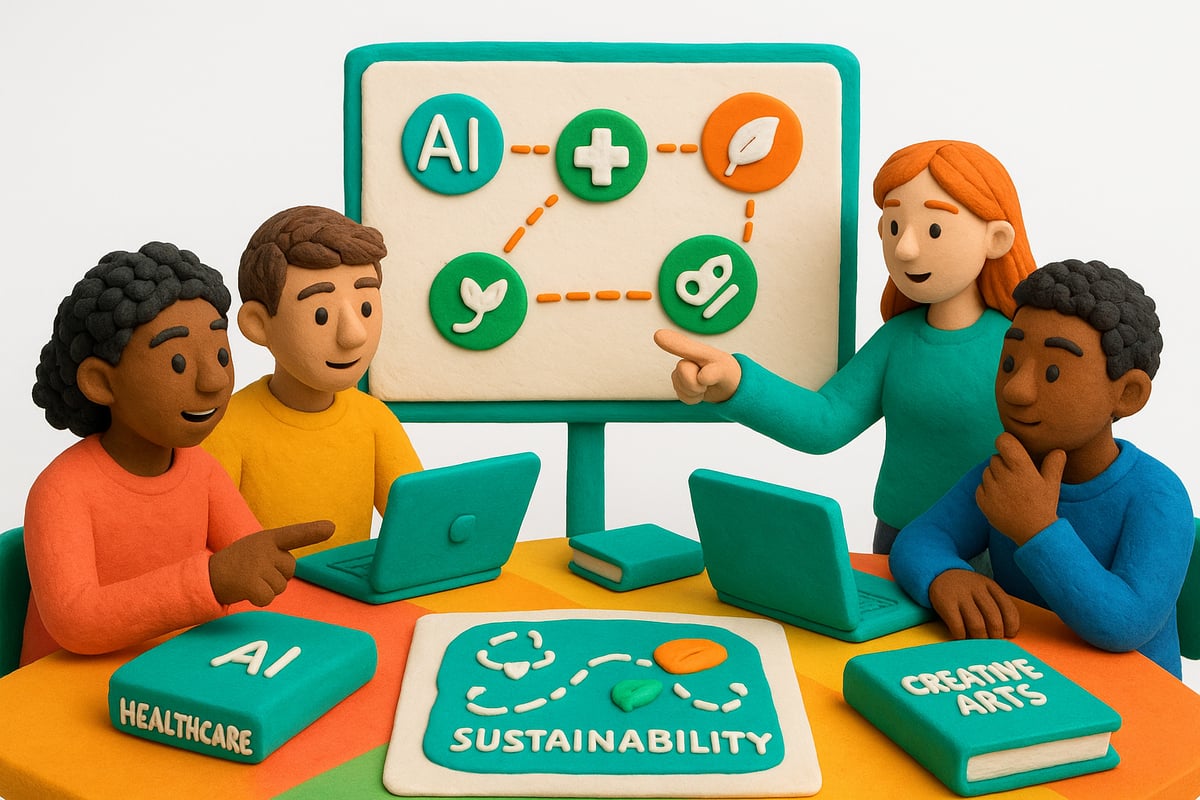
Assess Your Interests and Strengths
Begin by reflecting on your personal interests, values, and skills. Consider what motivates you, which subjects you enjoy, and where your natural strengths lie. Are you drawn to analytical thinking, creativity, problem-solving, or helping others? Reviewing your experiences—whether academic, extracurricular, or work-related—can offer valuable clues. Matching your courses subjects to your core strengths increases the likelihood of long-term satisfaction and success.
Research Market Trends and Emerging Skills
Staying informed about industry trends is essential. The job market is changing rapidly, with new roles emerging in areas such as AI, sustainability, and digital health. Consulting resources like the World Economic Forum’s Future of Jobs Report 2020 can help you identify high-growth sectors and the skills most in demand. Analysing employment forecasts, salary data, and employer requirements will help you choose courses subjects that offer strong career prospects and adaptability.
Evaluate Accreditation and Institution Reputation
Not all qualifications carry the same weight. Prioritise accredited courses subjects from recognised institutions, as employers increasingly scrutinise the quality and relevance of credentials. Investigate the curriculum, teaching methods, industry partnerships, and graduate outcomes. Consider whether the course offers practical experience, placements, or links with professional bodies. High-quality courses subjects will equip you with both theoretical knowledge and real-world skills.
Balance Passion, Employability, and Financial Security
While passion is important, it should be balanced with employability and your long-term financial wellbeing. Ask yourself: Does this subject offer viable career paths? Are there opportunities for growth, job stability, and earning potential? Seek guidance from mentors, career advisers, and industry professionals. Exploring interdisciplinary combinations can broaden your skill set and open up unique career possibilities. For a comprehensive overview of options, you can explore available subjects to compare course content and entry requirements.
Utilise Guidance and Embrace Lifelong Learning
Take advantage of university career services, alumni networks, and work placements to gain insights into different fields. Real-world experience, volunteering, and internships can clarify your interests and enhance your CV. Remember, many professionals successfully pivot into new areas later in their careers, so choosing flexible courses subjects with transferable skills is wise. Stay open to continuous learning as industries evolve, and regularly update your knowledge through further study, short courses, or professional development.
Choosing the right courses subjects is a strategic investment in your future. With thoughtful self-assessment, diligent research, and a willingness to adapt, you can position yourself for success in a dynamic world.
Skills for Success: Beyond Subject Knowledge
Success in the future workplace will demand much more than expertise in your chosen courses subjects. As industries evolve, employers increasingly value a blend of technical know-how and adaptable, human-centric skills. Developing these broader competencies ensures you remain agile, employable, and ready to tackle any challenge that arises.

The Power of Transferable Skills
While mastering your courses subjects is vital, transferable skills often set top candidates apart. These include:
- Communication: Expressing ideas clearly, both in writing and speech.
- Critical thinking: Analysing information and making sound decisions.
- Adaptability: Responding positively to new situations and challenges.
Employers seek individuals who can apply these skills across different roles and industries. By cultivating them alongside your courses subjects, you build a resilient foundation for career growth.
| Soft Skills | How They Help |
|---|---|
| Communication | Builds trust, clarifies ideas |
| Adaptability | Thrives in change |
| Problem-solving | Tackles complex challenges |
Digital Literacy: A Core Competency
Digital literacy is now a non-negotiable skill, regardless of your courses subjects. From remote collaboration tools to data analysis platforms, the ability to navigate digital environments is essential.
Staying current with technology trends and embracing lifelong learning prepares you for shifts in the workplace. Seek out online courses, certifications, and digital projects to maintain a competitive edge in your courses subjects.
Building Your Professional Network
Success is rarely a solo journey. Networking and collaboration are vital, no matter your courses subjects. Engaging with peers, mentors, and industry professionals opens doors to opportunities, fresh perspectives, and guidance.
You can build your network by attending events, joining professional associations, or participating in online forums. Effective collaboration skills also make you a valuable team member, which is crucial in today's interconnected workspaces.
Gaining Real-world Experience
Practical experience complements your courses subjects and enhances your employability. Internships, volunteering, and project work allow you to apply theory to real-world challenges.
Developing a professional portfolio or online presence showcases your achievements and growth. Document your projects, share your insights, and highlight your adaptability to stand out in a competitive job market.
Embracing Diversity and Continuous Learning
Workplaces are more diverse and globally connected than ever before. Embracing cultural awareness and global perspectives enriches your approach to problem-solving and teamwork within any courses subjects.
Continuous professional development (CPD) keeps your skills relevant. For example, pursuing a Business administration course can help you upskill in leadership and technology, further complementing your main courses subjects.
The Real Value of Skills Beyond the Classroom
Ultimately, blending subject knowledge with strong interpersonal and digital skills is the key to thriving in any career. Employers are looking for candidates who can learn, adapt, and contribute positively beyond their primary courses subjects.
Invest in your growth, seek feedback, and stay curious. These habits will keep you prepared for whatever the future of work demands.
As you consider your next steps, remember that the right course subject can open doors to emerging industries and equip you with skills that truly matter in tomorrow’s world. Whether you’re passionate about technology, sustainability, or creative fields, aligning your learning with future trends puts you in a strong position for success. At Summit Institute, you’ll find accredited programmes designed for real-world impact and flexible enough to fit your ambitions. If you’re ready to shape your future and stand out in a changing job market, Get ahead now!