In 2026, the pace of change in the workplace and society means that lifelong learning has never been more crucial. Whether you are looking to boost your career or explore new interests, understanding the landscape of courses adult learners can access is key to unlocking future opportunities.
This guide is designed to help you navigate the expanding world of adult education. We will explore the benefits of lifelong learning, show you how to choose the right course, explain the different types of qualifications available, outline funding and support, walk you through enrolment, and highlight future trends.
Ready to upskill, adapt, and thrive? Let’s begin your journey towards personal and professional growth with courses adult learners can trust.
The Benefits of Lifelong Learning for Adults
Lifelong learning is more crucial than ever for adults navigating modern work and society. The range of courses adult learners can access brings measurable benefits, from boosting confidence to opening doors in new industries. Whether your goal is personal fulfilment, professional advancement, or adapting to change, the advantages of ongoing education are both immediate and long-lasting.

Personal and Professional Growth
Engaging in courses adult learners choose can dramatically enhance self-confidence, critical thinking, and adaptability. When adults decide to return to education, they often experience a renewed sense of purpose and personal achievement.
Recent studies show that adult learners consistently report higher job satisfaction and improved mental wellbeing compared to those who do not participate in ongoing education. For example, many individuals have used digital skills courses adult providers offer to re-enter the workforce after a career break.
Beyond professional goals, lifelong learning can ignite new passions and hobbies, helping adults discover talents and interests they never knew they had. These personal gains enrich daily life and foster a growth mindset.
Career Advancement and Employability
Courses adult participants engage with are a proven route to promotions, career changes, and entry into emerging industries. According to the Adult Participation in Learning Survey 2025, 60% of UK adults who retrain through formal education see improved employment outcomes.
Consider Health & Social Care programmes, which are a direct pathway to roles within the NHS. Industry-recognised qualifications gained from courses adult learners complete are highly valued by employers, making candidates more competitive in the job market.
A quick comparison of outcomes:
| Qualification Type | Typical Outcome |
|---|---|
| Professional Certificate | Promotion or higher salary |
| Sector-Specific Diploma | New industry entry |
| Short Course/Micro-credential | Skill update or side role |
Investing in learning means investing in your future employability.
Flexibility and Accessibility
The flexibility of courses adult learners can access is a major advantage. Options include online, part-time, evening, and blended learning, making it possible to fit study around work and family responsibilities.
Institutions such as Sandwell College are well known for their flexible schedules, helping adults manage their commitments without sacrificing their educational goals. For learners in rural areas or with mobility challenges, remote courses adult providers offer ensure that education is accessible wherever you live.
Accessibility features like recorded lectures, virtual classrooms, and adaptive technology tools further break down barriers to participation, ensuring everyone can find a pathway that works for them.
Social and Community Impact
Courses adult learners choose do more than develop individual skills—they also foster stronger communities. Adult education encourages civic participation and community engagement, uniting learners from diverse backgrounds.
A notable example is ESOL (English for Speakers of Other Languages) courses adult immigrants take to integrate into UK society, helping them access employment and social services. New skills gained often lead to volunteering or mentoring opportunities, expanding the positive impact beyond the classroom.
Support networks formed through courses adult students attend provide ongoing encouragement and shared resources, creating a sense of belonging and mutual support.
Keeping Skills Current in a Changing World
With rapid changes in technology and the economy, it is vital for courses adult learners take to keep pace with industry demands. Digital literacy, AI, green skills, and digital marketing are now essential in many sectors.
Government initiatives across the UK are actively encouraging adults to reskill, particularly in emerging fields. For example, construction and engineering courses adult learners attend are now adapting to include training on new technologies and sustainable practices.
Staying current through ongoing education ensures adults remain competitive and ready for future opportunities, no matter how the world evolves.
How to Choose the Right Adult Course
Selecting from the wide range of courses adult learners can access in 2026 is an empowering but sometimes daunting process. With so many options, it is essential to approach your decision with clarity and purpose.

Identifying Your Goals and Motivations
Before exploring the world of courses adult learners can choose from, take time for honest self-assessment. Are you aiming to advance your career, retrain for a new industry, or simply pursue a personal passion? Clarifying your objectives will help you focus on the most suitable options.
Use career advice services or online tools to map your current skills, interests, and any gaps you wish to address. For example, those moving from retail into business administration may identify the need for IT and communication skills. Setting clear, achievable goals ensures that your investment in learning pays off.
Whether you are seeking professional growth or personal enrichment, defining your purpose is the foundation for choosing the right courses adult learners need.
Researching Course Types and Providers
Once your goals are clear, compare the various types of courses adult education providers offer. Accredited colleges, online platforms, and community centres all deliver different experiences. It is important to understand the distinctions between certificates, diplomas, micro-credentials, and short courses.
Evaluate each provider’s reputation, accreditation, and the value of their qualifications in your chosen field. For instance, City of Bristol College offers a broad range of adult courses adult learners can access, from vocational training to academic pathways.
Create a shortlist of providers whose courses adult learners find credible and relevant, and look for independent reviews or alumni testimonials to guide your decision.
Understanding Entry Requirements and Pathways
Each course has its own set of prerequisites. These might include previous qualifications, relevant work experience, or language proficiency. Some courses adult learners are interested in, such as Access to Higher Education, are specifically designed to help mature students bridge gaps and enter university.
Many providers understand the diverse backgrounds of adult learners and offer flexible entry routes. If you lack formal qualifications, look for bridging or foundation programmes.
Researching pathways in advance will help you avoid unnecessary setbacks and ensure you meet all requirements for the courses adult learners wish to pursue.
Considering Learning Formats and Schedules
The flexibility of courses adult learners can now access is greater than ever. Options include in-person, online, blended, evening, and weekend classes. Each format offers distinct advantages, depending on your lifestyle.
For example, online courses adult learners choose may be ideal for those with work or family commitments, while evening sessions suit those balancing employment. Blended learning combines the best of both worlds, offering face-to-face support and remote study.
To explore the full range of learning formats and pathways, visit the Study Options for Adults page for detailed guidance. Consider your time, technology access, and preferred learning style before enrolling.
Evaluating Support Services and Outcomes
Quality support is crucial for success in courses adult learners undertake. Review what each provider offers in terms of career guidance, academic help, and mental health services. For example, Sandwell College has dedicated teams supporting adults throughout their learning journey.
Investigate job placement rates, alumni success stories, and the availability of mentoring or peer networks. Contact course advisors to ask about tailored support and realistic employment outcomes.
Choosing providers who prioritise support helps ensure you benefit fully from the courses adult learners select, both during your studies and beyond.
Types of Adult Courses and Qualifications in 2026
The landscape for courses adult learners can access in 2026 is more diverse and flexible than ever. Whether you aim to upskill for a new career, gain a professional qualification, or simply explore a personal interest, there is a pathway to suit every goal. In this section, we break down the main types of courses adult learners can choose, highlighting the range of qualifications, training options, and enrichment opportunities available.

Academic and Professional Qualifications
Academic and professional courses adult learners pursue typically include A Levels, Access to Higher Education (HE) Diplomas, and university-level qualifications. These routes enable mature students to fast-track to university or gain professional recognition. For example, Access to HE courses are designed specifically for adults returning to education, often with flexible entry requirements. Employers and higher education institutions widely recognise these qualifications, making them valuable for career progression. Notably, the uptake of Access to HE courses adult learners enrol in has grown since the pandemic, reflecting increased demand for formal credentials and new opportunities. For a comprehensive overview of available options, visit Adult Education and Training Courses.
Vocational and Industry-Specific Training
Vocational pathways provide practical, hands-on experience through courses adult learners can use to enter or advance in sectors like automotive, construction, and engineering. These include apprenticeships, National Vocational Qualifications (NVQs), and sector-specific training programmes. Apprenticeships combine classroom study with real-world work placements, giving learners direct exposure to industry practices. Application processes for these courses adult learners must follow often involve securing a placement with an employer and enrolling through a college or training provider. Vocational qualifications are highly valued by employers for their focus on job-ready skills and practical expertise.
Digital, IT, and Emerging Technology Courses
In 2026, demand for digital expertise continues to grow, and courses adult learners can access now span programming, cybersecurity, artificial intelligence, and data analysis. Many choose digital bootcamps or micro-credential programmes to quickly upskill in these high-demand areas. For instance, Skills Bootcamps, developed with industry partners, offer intensive training in emerging technologies and often lead directly to job interviews. These courses adult learners take are vital for those seeking roles in the expanding digital economy, where up-to-date technical skills are essential for career development and adaptability.
Language, Literacy, and Numeracy
Foundational language, literacy, and numeracy courses adult learners join are crucial for building confidence and opening new opportunities. Programmes range from English and maths qualifications to ESOL (English for Speakers of Other Languages) courses supporting non-native speakers. These courses adult learners complete not only improve employability but also help with daily life, such as managing finances or supporting children’s learning. Participation rates in adult English and maths remain high, reflecting the ongoing importance of these essential skills for personal and professional growth.
Short Courses, Hobbies, and Personal Enrichment
Not all courses adult learners choose are career-focused. Many adults enrol in short courses for hobbies, creative pursuits, or personal wellbeing. Options include arts, crafts, photography, creative writing, and language classes. Evening and weekend sessions make these courses adult learners enjoy accessible for those balancing work and family. Beyond skill-building, these courses contribute to mental health, social connection, and lifelong curiosity. Providers such as Sandwell College offer a wide variety of short courses tailored for adult interests and enrichment.
Free and Funded Courses
Access to free and funded courses adult learners need has expanded in recent years. Government initiatives provide free training for unemployed adults, support for upskilling, and increased funding for key sectors. Eligibility criteria vary, but many colleges offer guidance on available support and application processes. These courses adult learners benefit from often cover tuition, materials, and sometimes exam fees, reducing financial barriers. Recent government budgets have prioritised adult education funding, ensuring more people can participate in lifelong learning and secure improved employment prospects.
Funding, Financial Support, and Accessibility
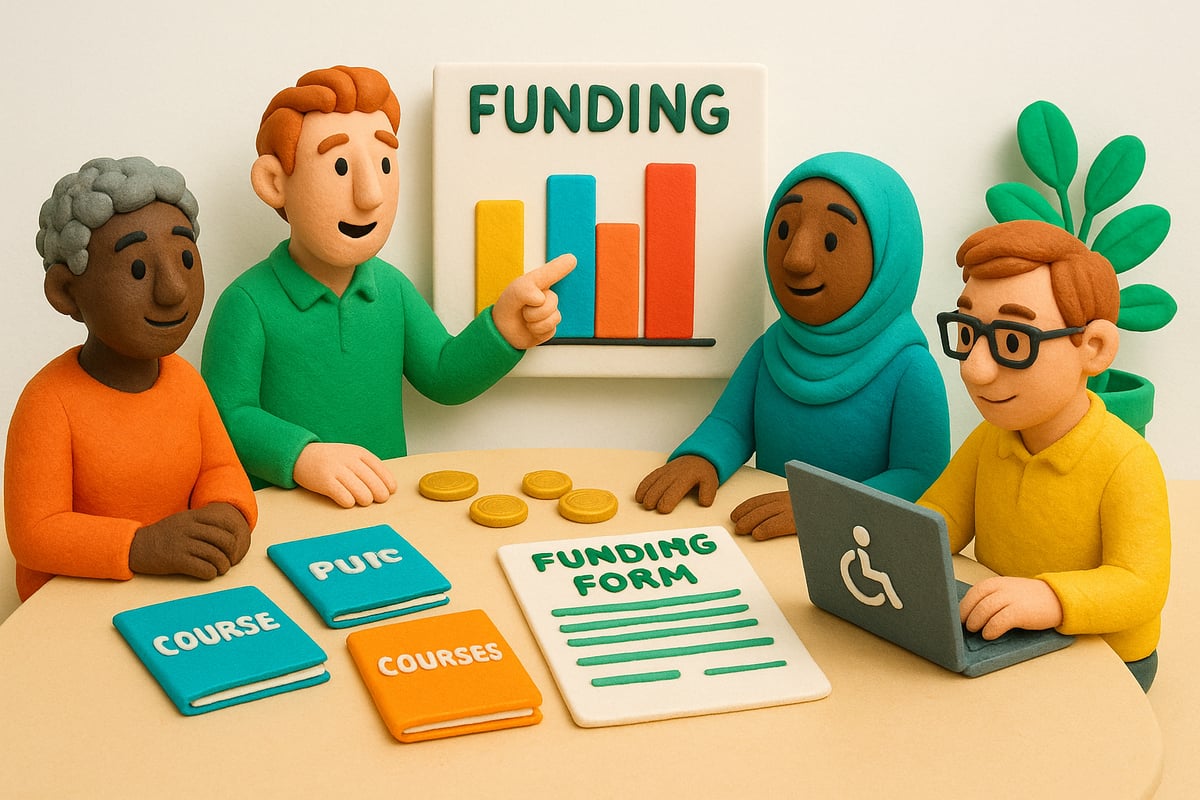
Navigating funding and financial support is a crucial step for anyone considering courses adult. Understanding your options can make education more accessible and reduce financial pressure. Below, we explore the main sources of support and how they relate to your learning journey.
Understanding Course Fees and Funding Options
When enrolling in courses adult, it is important to consider the full cost. Tuition fees, materials, and exam charges vary by provider and delivery mode. Part-time, full-time, and online courses all have different fee structures, so it pays to compare carefully.
Public colleges often offer lower fees than private providers, and some courses adult may include additional costs for resources or field trips. Many institutions, such as Sandwell College, provide a range of funding options and flexible payment plans. From 2026, the UK’s new Lifelong Learning Entitlement Overview will allow adults more flexibility in funding their studies, making lifelong learning more accessible.
Government Grants, Loans, and Bursaries
A wide range of government support is available for courses adult. Adult Learner Loans and Advanced Learner Loans help cover tuition for Level 3 and above. Bursaries are available for those with financial hardship, and grants can support specific groups such as unemployed adults or those retraining.
Eligibility varies by course, age, and financial circumstances. Applications should be made early, as some funds are limited. Many courses adult, such as Access to Higher Education or vocational qualifications, are eligible for these schemes, opening up opportunities for learners who may otherwise struggle to afford study.
Employer Sponsorship and Apprenticeships
Many employers recognise the value of courses adult for upskilling their workforce. Sponsorship can include covering tuition, paid study leave, or access to professional development programmes. In sectors like health and social care, employer-funded learning is increasingly common.
Apprenticeships offer a unique route, combining paid work with structured training. Wage structures and on-the-job learning make these courses adult appealing to those looking to earn while they learn. Colleges often work with local employers to provide tailored apprenticeship opportunities that align with industry needs.
Support for Learners with Additional Needs
Accessibility is a priority for providers of courses adult. Colleges and training centres offer a range of support services, including academic help, pastoral care, and disability support. Learning support teams can provide assistive technology, adapted materials, and personalised guidance.
Mental health and wellbeing services are also available, reflecting the growing awareness of adult learners’ holistic needs. Recent data shows increased use of these services among those enrolled in courses adult, underlining their importance in ensuring equal access and successful outcomes.
Step-by-Step Guide: Enrolling in an Adult Course
Embarking on a new learning journey can feel daunting, but breaking it into manageable steps makes enrolling in courses adult both achievable and rewarding. Whether your aim is career advancement, personal growth, or discovering new interests, following a structured approach will set you up for success. This guide walks you through each stage, helping you make informed choices as you explore the wide range of courses adult now have at their fingertips.
Step 1: Define Your Learning Goals
Begin your journey by clarifying why you want to enrol in courses adult. Are you aiming to upskill for a new job, return to work after a break, or simply pursue a passion? Take time to assess your current skills, interests, and aspirations.
Consider using online self-assessment tools or speaking with a career advisor to map out your strengths and identify areas for growth. For example, a parent re-entering the workforce might prioritise digital literacy to increase employability. Setting measurable objectives at this stage ensures your chosen courses adult align with your ambitions and keeps you motivated throughout your studies.
Step 2: Research Courses and Providers
Once your goals are clear, investigate the variety of courses adult available across accredited colleges, online platforms, and community centres. Compare course content, duration, delivery format, and outcomes.
Look for reputable providers with strong reviews and recognised accreditations. For those interested in formal teaching credentials, the Certificate in Adult and Tertiary Teaching is a popular option. Consider how each provider supports adult learners and whether their offerings match your preferred study style.
Step 3: Check Entry Requirements and Application Deadlines
Before applying, make sure you meet the entry requirements for your chosen courses adult. These might include previous qualifications, work experience, or language proficiency. Some programmes, such as Access to Higher Education, are designed to help mature learners bridge gaps in their academic history.
Review application deadlines carefully, as some popular courses adult fill up quickly. Gather documents such as certificates, CVs, and references in advance to streamline the process and avoid last-minute stress.
Step 4: Explore Funding and Financial Support
Understanding the financial side of enrolling in courses adult is essential. Investigate the costs involved, including tuition, exam fees, and materials. Research eligibility for loans, grants, or bursaries, such as the Advanced Learner Loan for Level 3 qualifications.
Many providers offer guidance from dedicated financial support teams. Budget for additional expenses like travel or childcare, and remember that some courses adult may be free or subsidised—especially for those who are unemployed or on a low income.
Step 5: Submit Your Application
With your research complete, it is time to apply for your chosen courses adult. Complete the online or paper application forms as required, and be prepared to attend interviews or assessments if necessary.
For business-focused pathways, you might explore Business Courses for Adult Learners to see what aligns with your career goals. Ensure you submit all supporting documents and keep track of your application status. Respond promptly to any queries from the provider to secure your place.
Step 6: Prepare for Your Learning Journey
Once accepted, get ready for a successful start in your courses adult. Set up a study schedule that fits around your existing commitments, and ensure you have access to the necessary technology and materials. Attend any induction or orientation sessions to familiarise yourself with course expectations and support services.
Connect with peer networks and join online learning platforms or virtual classrooms. Engaging with your new community will help you stay motivated and make the most of your courses adult experience.
The Future of Adult Learning: Trends and Opportunities for 2026
The landscape for courses adult learners will encounter in 2026 is rapidly transforming. Advancements in technology, evolving workplace needs, and shifting social attitudes are reshaping how, when, and why people engage in lifelong education. Let us explore the key trends shaping the future of adult learning.
Technology-Driven Learning
Technology is at the heart of innovation in courses adult learners choose today. From AI-powered tutors to immersive virtual reality classrooms, digital platforms are making education more personalised and accessible than ever before.
Artificial intelligence tools adapt to individual learning styles, while virtual classrooms allow participation from anywhere. The surge in micro-credentials, especially in digital skills, is opening up new pathways for career advancement. Since 2020, enrolment in online courses has soared, offering flexible solutions for those balancing work and study. As technology evolves, courses adult learners take will continue to reflect the needs of a digital-first world.
Green Skills and Sustainable Careers
Sustainability is now a major focus for courses adult learners. There is a growing demand for training in green technologies, renewable energy, and environmental management. Government initiatives are playing a crucial role in boosting opportunities in these areas, encouraging adults to reskill for jobs in the green economy.
For example, new programmes in solar power installation and sustainable construction are helping career changers find meaningful work. As companies prioritise environmental responsibility, courses adult learners undertake in 2026 will increasingly feature green skills, making this sector an exciting space for personal and professional growth.
Lifelong Learning as a Social Movement
Lifelong learning is becoming a defining feature of modern society. More employers are recognising the value of continued professional development, and adult participation in further education is reaching record highs. According to Further Education and Skills: March 2025, the number of adults enrolling in upskilling and reskilling programmes continues to grow year on year.
Community and peer learning networks are flourishing, providing support and motivation for those taking courses adult. This social movement is helping to normalise continuous education as a way to thrive in a changing world.
Personalisation and Flexibility
The future of courses adult learners will experience is all about choice and adaptability. Modular, stackable qualifications are enabling adults to build bespoke learning journeys tailored to their goals. Blended and on-demand courses offer even greater flexibility, letting learners fit study around their busy lives.
Emerging models allow individuals to combine micro-credentials from different providers, resulting in highly personalised qualifications. As demand for tailored learning grows, courses adult learners access will become more customisable and responsive to individual and industry needs.
As you explore the evolving landscape of adult learning, it’s clear that staying adaptable and continuously building your skills opens doors—both professionally and personally. Whether you’re interested in recognised qualifications, flexible learning formats, or emerging fields like AI and industry safety, Summit Institute offers pathways designed for real-world success. If you’re ready to take control of your future and turn ambition into achievement, there’s never been a better time to start. Let’s make lifelong learning part of your journey—discover your next opportunity and Get ahead now!