Imagine a future where your skills are the key to thriving in a rapidly changing job market. As 2026 approaches, assessment qualifications are becoming essential for those who want to stand out and adapt to new opportunities. This guide will walk you through everything you need to know, from understanding what assessment qualifications are, to choosing the right one, excelling in your studies, and staying ahead of future trends. Ready to take control of your career journey? Let’s explore the steps that will help you reach your full potential.
Understanding Assessment Qualifications: Foundations for Success
Unlocking your career in 2026 starts with a clear understanding of assessment qualifications. These credentials are designed to certify your skills and competencies through practical, evidence-based evaluation rather than traditional academic exams. Let’s break down the foundations of assessment qualifications, why they matter, and how they shape your future success.
What Are Assessment Qualifications?
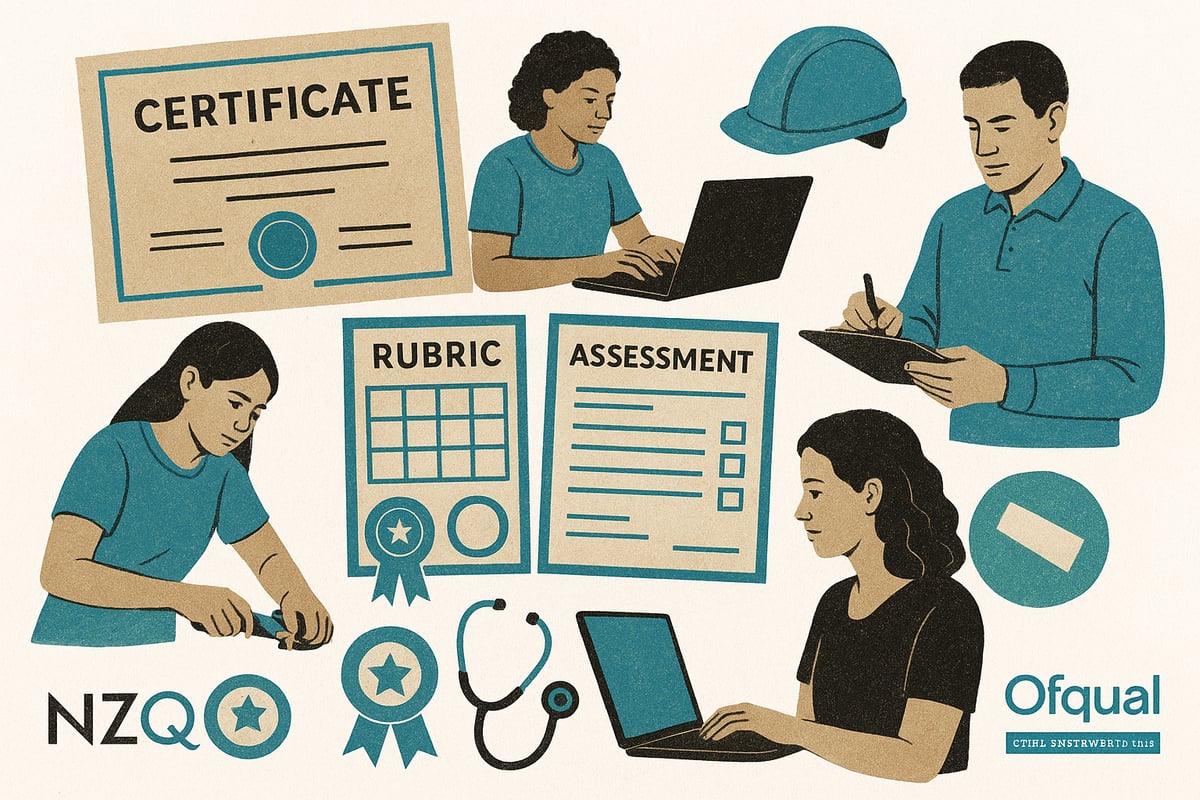
Assessment qualifications are formal recognitions of your abilities, verified through structured assessment rather than purely academic study. Unlike traditional degrees, which focus on theory and exams, assessment qualifications emphasize practical skills, workplace evidence, and real-world performance.
They use various assessment methods, such as competency-based tasks, portfolios, written exams, and on-the-job demonstrations. Standards are set by national and international bodies like NZQA in New Zealand, Ofqual in the UK, and AQF in Australia.
For example, NZQA assessment standards ensure consistency and quality across vocational qualifications. To explore specific assessor pathways and how assessment qualifications are structured, visit Assessor Qualification Pathways.
Why Assessment Qualifications Matter in 2026
Assessment qualifications are increasingly valued in today’s evolving workforce. Employers now prioritize demonstrable skills and competencies over traditional credentials. By 2026, 70% of employers are expected to focus on skills-based hiring, according to LinkedIn Global Talent Trends 2023.
These qualifications align closely with industry standards, making them highly relevant for career progression and job security. For instance, micro-credentials in digital skills are becoming essential in technology sectors.
Assessment qualifications help you showcase your abilities, adapt to industry changes, and remain competitive in the job market.
Key Components of Assessment Qualifications
Every assessment qualification is built from key elements: units, modules, and credits. Each unit covers specific skills or knowledge, and credits indicate the amount of learning achieved.
Assessment criteria and rubrics set clear expectations, while recognition of prior learning (RPL) allows your existing skills to count. Quality assurance and moderation processes ensure fairness and reliability.
For example, in vocational education, portfolio assessment involves collecting evidence of your work and skills, which is then reviewed against set standards. This holistic approach makes assessment qualifications practical and relevant.
Regulatory Bodies and Accreditation
Assessment qualifications are governed by national and international regulatory bodies. Key organizations include NZQA (New Zealand), Ofqual (UK), and SQA (Scotland).
These bodies ensure qualifications are recognized, credible, and meet industry requirements. Accredited assessment qualifications boost employability by providing assurance to employers about your skills.
Quality assurance mechanisms, such as regular audits and moderation, maintain high standards. For instance, NZQA monitors providers and qualifications to ensure ongoing compliance and quality.
Common Myths and Misconceptions
Several myths surround assessment qualifications. Some believe they are less valuable than university degrees, but evidence shows employers increasingly value practical skills.
Others misunderstand their flexibility and global recognition. Assessment qualifications often offer blended and online options, making them accessible to diverse learners.
Concerns about online assessment quality are addressed through strict moderation and quality controls. Success stories from vocational graduates highlight the real-world value of assessment qualifications for diverse career paths.
Mapping Your Path: Choosing the Right Assessment Qualification
Choosing the right assessment qualifications is a crucial step in shaping your career for 2026 and beyond. With evolving industry demands, aligning your learning journey with your goals is more important than ever. Let’s break down the steps to help you make informed decisions and maximize your future success.
Identifying Career Goals and Industry Requirements
Start by reflecting on your personal strengths, interests, and long-term ambitions. Matching your aspirations with the right assessment qualifications ensures your investment pays off in both fulfillment and employability.
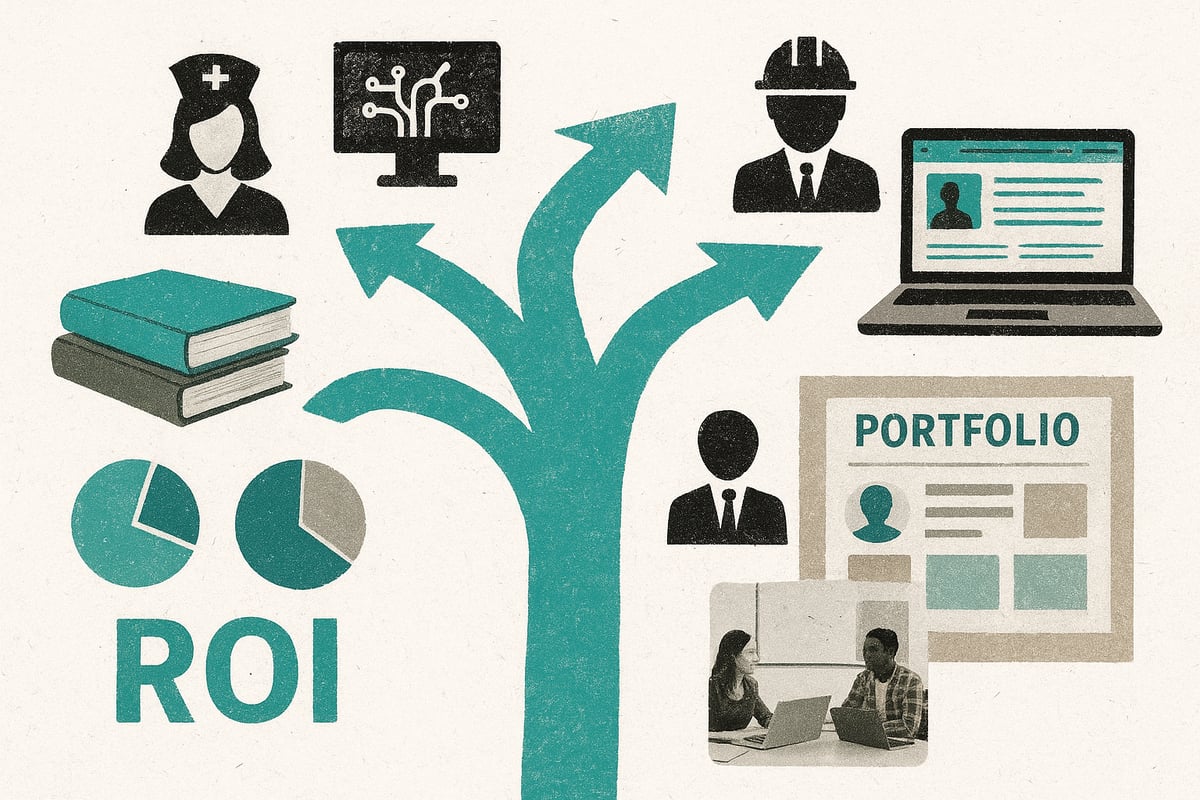
Research the specific qualifications required in your chosen field. For example, healthcare often mandates sector-specific credentials, while IT and construction have unique certification paths. Industry requirements can differ greatly, so consult job postings and professional bodies for guidance.
If you’re interested in business, exploring Business Assessment Qualifications can reveal targeted pathways and industry-aligned options. Thorough research at this stage lays a strong foundation for your qualification journey.
Exploring Qualification Levels and Pathways
Assessment qualifications come in various levels, from entry-level certificates to advanced diplomas and micro-credentials. Each level reflects a progression in skills and knowledge, enabling both newcomers and experienced professionals to find a suitable starting point.
Consider vertical progression, such as moving from a Level 3 certificate to a Level 6 diploma, or lateral movement into complementary areas. Micro-credentials offer a flexible way to upskill rapidly in emerging fields.
Mapping your pathway is essential for career advancement. Review qualification frameworks in your region to understand how each step contributes to your overall development.
Evaluating Providers and Programme Quality
Not all assessment qualifications are created equal. Investigate the accreditation status of providers to ensure your qualification will be recognized by employers and industry bodies.
Assess the reputation of institutions by reviewing graduate outcomes, employer partnerships, and student satisfaction. Delivery modes matter too—decide whether online, in-person, or blended learning best suits your needs.
Compare support services, such as tutoring, career advice, and resource libraries. A reputable provider offers comprehensive support throughout your learning journey, enhancing your success with assessment qualifications.
Flexibility, Accessibility, and Learning Styles
Modern assessment qualifications are designed with flexibility in mind. Look for modular courses, part-time scheduling, and recognition of prior learning to fit your studies around work and life commitments.
Accessibility is key for diverse learners, including those with disabilities or living in remote areas. Providers offering adaptive learning platforms, accessible materials, and virtual support create inclusive environments.
Consider your preferred learning style—whether hands-on, visual, or theoretical—and choose programmes that match your strengths. This alignment improves engagement and outcomes.
Cost, Funding, and Return on Investment
Understanding the costs associated with assessment qualifications is essential. Tuition fees vary widely, so compare options and explore scholarships, government funding, or employer sponsorship programmes.
Calculate the potential return on investment by researching average salary increases and career progression after completing your qualification. According to the World Economic Forum, upskilling can lead to significant salary uplift.
Weigh immediate expenses against long-term benefits. Investing in the right assessment qualifications can yield substantial professional and financial rewards.
Summit Institute: Flexible, Accredited Assessment Qualifications
Summit Institute offers NZQA-accredited pathways in business, technology, and industry skills, ensuring your assessment qualifications are recognized and valued. Learners benefit from flexible study options, including online, on-campus, and blended delivery.
Personalized learning journeys and robust support services help you stay on track. Programmes are industry-aligned, with micro-credentials targeting emerging skills for the future workforce.
Summit Institute is committed to quality, security, and inclusivity, empowering diverse learners to succeed in the dynamic landscape of assessment qualifications.
The Assessment Process: Step-by-Step to Qualification
Embarking on the journey to earn assessment qualifications involves a clear, structured process designed to validate your skills and knowledge. Each step builds upon the last, ensuring candidates are thoroughly prepared and recognized for their achievements. Understanding these steps is essential for anyone seeking to navigate the world of assessment qualifications efficiently and confidently.
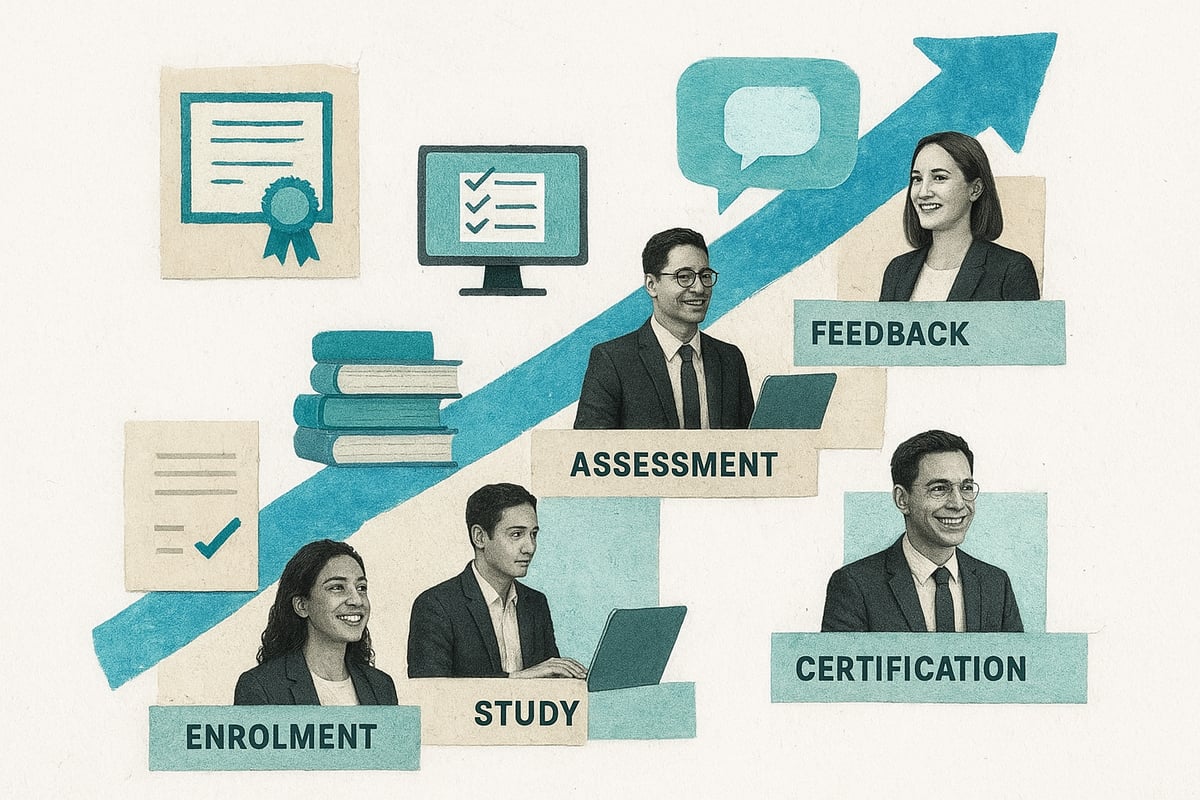
Step 1: Enrolment and Initial Assessment
The first step in achieving assessment qualifications is enrolling with a recognized provider. This usually involves submitting an application, meeting entry requirements, and providing evidence of prior education or experience.
Providers often conduct an initial skills audit to evaluate your starting point. Some may offer recognition of prior learning (RPL), which can fast-track your progress by crediting previous achievements. During the initial assessment interview, candidates discuss their goals and background, ensuring the chosen pathway aligns with their aspirations.
This stage sets the foundation for a tailored learning journey, making it crucial to be thorough and honest in your application and initial discussions.
Step 2: Learning and Evidence Gathering
Once enrolled, learners begin structured coursework and practical assignments tailored to their chosen assessment qualifications. These may include traditional lessons, hands-on projects, or workplace-based tasks.
A key part of this phase is gathering evidence of learning and competency. Maintaining a well-organized portfolio is essential. This might include written assignments, photos of completed work, supervisor reports, and reflective journals.
Tips for success include staying consistent with documentation, setting reminders for key milestones, and regularly reflecting on progress. This approach ensures you are always ready for formal assessment.
Step 3: Formal Assessment and Moderation
At this stage, candidates undertake various assessment types, depending on their assessment qualifications. These can range from written exams to practical demonstrations, oral presentations, or online assessments.
Quality and fairness are maintained through internal and external moderation processes. Assessors review evidence against established rubrics and standards, and in many cases, moderation is guided by best practice frameworks such as the Framework for Developing Quality Assessment Tools. For example, in trades and industry, workplace assessments require both supervisor input and independent verification.
This step ensures that all candidates are measured consistently, supporting the credibility and value of assessment qualifications.
Step 4: Feedback and Resubmission
After formal assessment, candidates receive detailed feedback from their assessors. This feedback is constructive, outlining strengths and areas for improvement.
In cases where criteria are not fully met, resubmission opportunities are provided. Candidates can address gaps and demonstrate further competency. Both formative and summative assessments play a role here; formative feedback helps guide ongoing improvement, while summative feedback determines final achievement.
Staying proactive, asking clarifying questions, and acting on feedback are vital strategies for success in assessment qualifications.
Step 5: Certification and Recognition
Successful candidates are awarded official certificates and transcripts, marking the completion of their assessment qualifications. Increasingly, digital badges and secure credentialing platforms are used to showcase achievements online.
These credentials are recognized by employers and industry bodies, enhancing career prospects. Graduates can leverage their new qualifications for promotions, new roles, or further study.
Celebrating this milestone is important, as it signifies not just the end of the process, but the beginning of new professional opportunities enabled by assessment qualifications.
Succeeding in Your Assessment Qualification: Strategies and Tools
Achieving success with assessment qualifications requires more than subject knowledge. It demands practical strategies, supportive networks, and the right tools. By applying proven methods and embracing new technologies, you can navigate your qualification journey with confidence and achieve your desired outcomes.

Building Effective Study and Time Management Habits
Effective study habits are key to mastering assessment qualifications. Start by setting clear milestones and breaking your workload into manageable tasks. Use digital planners or apps to track deadlines and progress.
Explore Study Options and Flexible Learning to discover flexible study formats that align with your lifestyle. Balance your study schedule with work and personal commitments.
Consider creating a weekly plan to allocate focused time for each module. This approach reduces stress and helps you stay on track throughout your assessment qualifications journey.
Leveraging Support Networks and Resources
A strong support network can make a significant difference in your success with assessment qualifications. Connect with tutors, mentors, and peers who can offer guidance and encouragement.
Join online forums and resource libraries to access extra materials and advice. Many learners benefit from participating in study groups or mentorship programmes, which foster accountability and motivation.
Never hesitate to seek help when you encounter challenges. Collaboration and shared experiences will reinforce your learning and help you overcome obstacles during your assessment qualifications.
Navigating Challenges and Staying Motivated
Every assessment qualifications journey has its hurdles. You may face assessment anxiety, time pressures, or unexpected setbacks. The key is to approach these challenges proactively.
Set realistic goals and celebrate small wins to maintain momentum. Practice resilience by keeping a growth mindset and viewing setbacks as learning opportunities.
For example, one learner overcame early failures by seeking feedback, adjusting their study methods, and persisting until they achieved their qualification. Remember, persistence and adaptability are essential for success with assessment qualifications.
Maximizing Practical and Work-Based Learning
Assessment qualifications often emphasize real-world application. Integrate your learning with practical tasks at work or through internships.
Build a portfolio that documents your workplace achievements and skills development. This portfolio not only demonstrates your competencies but also provides valuable evidence during assessments.
Many successful learners follow apprenticeship models, combining on-the-job training with formal study. This approach bridges theory and practice, making your assessment qualifications more relevant and impactful.
Using Technology for Assessment Success
Technology is transforming the landscape of assessment qualifications. Utilize e-portfolios to organize your evidence and showcase your progress.
Virtual simulations and online assessment platforms offer interactive ways to practice skills and receive feedback. Digital literacy is increasingly important, as 65% of assessments now include digital components.
Stay updated on the latest tools and platforms to enhance your learning experience. Embracing technology will give you a competitive edge and streamline your assessment qualifications process.
Future Trends: Assessment Qualifications in 2026 and Beyond
The landscape of assessment qualifications is rapidly evolving to meet the demands of a dynamic, global workforce. As we look toward 2026, several key trends are shaping how individuals and organizations approach skills validation and career growth.
Digital Transformation and Micro-Credentials
The digital revolution is redefining assessment qualifications through the rise of short, stackable credentials. Micro-credentials allow learners to showcase specific skills and adapt quickly to market changes. Artificial intelligence and automation are streamlining the assessment process, making it more accessible and data-driven. For example, AI-driven tools are now used to personalize feedback and track progress in real time. In human resource management, advanced digital methods for competence assessment are emerging, as discussed in Competence Assessment in HR Management. These innovations ensure assessment qualifications remain relevant and responsive to the needs of modern learners.
Industry Partnerships and Employer-Led Assessment
Collaboration between education providers and industry leaders is becoming central to the design of assessment qualifications. Employers are increasingly involved in developing micro-credentials and work-integrated assessments that reflect real-world job requirements. This partnership ensures that learners develop competencies directly aligned with workplace needs. In sectors like technology and finance, employer-designed assessment pathways are helping bridge the gap between education and employment. As organizations prioritize practical skills, industry-led assessment qualifications are set to become a standard route for upskilling and career advancement.
Personalization and Adaptive Assessment
Personalized learning is at the forefront of assessment qualifications, with adaptive testing and data-driven models tailoring each learner’s experience. Analytics help educators identify strengths and areas for improvement, creating targeted pathways for success. Adaptive assessment platforms can adjust difficulty in real time, offering a custom fit for diverse learners. This approach not only supports individual achievement but also enhances engagement and motivation. As personalization becomes more sophisticated, assessment qualifications will better reflect each person’s unique capabilities and learning journey.
Global Recognition and Mobility
International frameworks are making assessment qualifications more portable and widely recognized across borders. The demand for globally accepted credentials is rising, enabling professionals to pursue opportunities worldwide. According to Ofqual Annual Qualifications Market Reports, cross-border recognition of qualifications has increased significantly in recent years. This trend supports greater workforce mobility and ensures that assessment qualifications align with international standards, benefiting both learners and employers.
Lifelong Learning and Continuous Upskilling
Assessment qualifications are now central to lifelong learning, supporting continuous professional development at every career stage. Professionals are turning to stackable credentials and flexible programmes to stay current in fast-changing industries. Earning new qualifications mid-career is becoming the norm, helping individuals remain competitive and adaptable. As the pace of technological change accelerates, the role of assessment qualifications in ongoing upskilling will only grow, making them a key tool for future-proofing careers.
Key Resources and Next Steps for Aspiring Learners
Embarking on your journey with assessment qualifications requires the right resources and a clear plan. Whether you are entering a new industry or upskilling for advancement, knowing where to look and how to proceed is essential for success.
Where to Find Accredited Assessment Qualifications
Finding trusted sources for assessment qualifications is crucial. Start by exploring national registers like the NZQA website or Ofqual’s public database. These platforms list accredited programmes, helping you verify provider legitimacy and programme recognition.
When reviewing options, look for official accreditation marks, programme details, and quality assurance statements. Internationally, many countries maintain similar directories, making cross-border recognition easier than ever. For a deeper understanding of qualification data and trends, consult resources like the Cambridge Assessment Statistical Reports, which offer valuable insights into assessment systems and outcomes.
Always double-check accreditation status before enrolling, as recognized assessment qualifications provide a significant advantage in today’s competitive job market.
Essential Tools, Guides, and Support Services
Equipping yourself with support tools is vital for success in assessment qualifications. Government career sites offer planning guides, while online platforms let you compare courses and read learner reviews. Many institutions provide dedicated support for learners with disabilities or those in remote areas.
If you are interested in assessment roles within education, consider exploring specialized Adult Education and Training Programmes, which deliver targeted qualifications for trainers and assessors. Additionally, resource libraries, forums, and mentorship programmes can enhance your learning experience and help you navigate challenges.
Prioritize providers that offer robust learner support and practical resources to optimize your qualification journey.
Action Plan: Your Roadmap to 2026 Success
To maximize the benefits of assessment qualifications, set clear steps:
- Identify your career goals and required qualifications.
- Research accredited programmes that align with your needs.
- Verify provider accreditation and delivery mode.
- Plan your study schedule and access support services.
- Track progress with short- and long-term milestones.
A structured approach ensures you stay on course, gain recognized credentials, and remain adaptable in a rapidly changing workforce. With the right action plan, assessment qualifications can open doors to new opportunities and long-term professional growth.
As you reflect on the steps to choosing and excelling in assessment qualifications, remember that your pathway to success in 2026 starts with making informed, confident decisions. Whether you are ready to upskill, explore new fields, or advance in your current role, Summit Institute’s NZQA-accredited programmes and flexible learning options are designed to support your goals every step of the way. Let’s turn your aspirations into real, nationally recognized achievements—because the next chapter of your career journey begins with a single step.
Get ahead now!
Article written using RankPill.