
Demand for skilled adult educators is set to soar in 2026, driven by workforce changes and the need for lifelong learning. If you are considering a rewarding career, now is the perfect time to explore an adult teaching course and help shape the future of adult education.
This guide offers a clear, step-by-step pathway for aspiring educators. You will learn how to understand the sector, choose the right qualification, meet entry requirements, apply with confidence, and succeed in your studies.
Discover the opportunities, make a real impact in your community, and take the first step towards a fulfilling teaching journey. Ready to begin? Let’s unlock your potential together.
Understanding Adult Teaching: The 2026 Landscape
The landscape for adult education is rapidly evolving as we approach 2026. The demand for skilled adult educators is increasing, driven by economic shifts, technological advancement, and the need for lifelong learning. Understanding the current trends and challenges in this sector is crucial for anyone considering an adult teaching course.

The Growing Need for Adult Educators
Across the UK and worldwide, the need for qualified adult educators is reaching new heights. Participation in adult learning has seen a steady rise, with recent government statistics showing over 2.2 million adults engaged in further education in England in 2024. Projections suggest this number will continue to climb through 2026, fuelled by workforce upskilling, career changes, and the rapid pace of digital transformation. For more detailed data on participation rates and sector growth, see the Further education and skills statistics.
Government initiatives, such as the Lifetime Skills Guarantee and increased funding for adult retraining, are making adult education more accessible. These schemes encourage adults to return to learning, whether to reskill, advance in their careers, or adapt to changing job markets. Community learning centres, further education colleges, private training providers, and online platforms all play a role in delivering adult teaching course opportunities.
Subject areas in high demand include digital skills, English and maths, language courses, and vocational training. The diversity among adult learners is notable: some are returning to education after many years, while others are recent graduates seeking new qualifications. This diversity highlights the importance of inclusive teaching methods within any adult teaching course.
Technology is reshaping how adult education is delivered. Blended learning, combining face-to-face sessions with online resources, has become standard. Interactive digital platforms, video tutorials, and virtual classrooms now support flexible learning, making it easier for adults with work or family commitments to participate in an adult teaching course.
Key Benefits and Challenges of a Career in Adult Teaching
Pursuing a career through an adult teaching course opens doors to rewarding opportunities. Adult educators often speak of the satisfaction that comes from helping learners achieve their personal and professional goals. Flexibility is a key benefit, with roles available in various settings and options for part-time or full-time work. Continuous professional development is also integral, allowing teachers to specialise in areas such as digital skills or literacy support.
However, the path is not without its challenges. Managing classrooms with learners of different ages, backgrounds, and abilities requires adaptability and empathy. The need to stay updated with new technologies and teaching methods is another common hurdle, particularly as digital tools become more central to every adult teaching course.
Balancing part-time study, work, and personal commitments can be demanding. Many aspiring educators start with voluntary teaching or support roles to build experience before progressing to paid positions. Career trajectories in this field are varied, ranging from teaching in further education colleges to delivering workplace training or running community workshops.
Teacher satisfaction rates in adult education remain high, though retention can be affected by workload and funding pressures. Still, those who complete an adult teaching course often find the profession both impactful and personally fulfilling.
Choosing the Right Adult Teaching Course
Selecting the right adult teaching course is a crucial step for anyone aspiring to educate adults in 2026. The variety of qualifications, delivery formats, and providers can seem overwhelming at first. By breaking down your options, assessing your personal goals, and applying a structured approach to research, you can confidently choose the pathway that aligns with your ambitions and circumstances.

Types of Adult Teaching Qualifications
The UK offers several recognised qualifications for those pursuing an adult teaching course. The most popular entry point is the Level 3 Award in Education and Training, which introduces essential teaching principles and basic classroom skills. For those seeking to deepen their expertise, the Level 4 Certificate and Level 5 Diploma provide more comprehensive training, including practical teaching placements and advanced pedagogical theory.
University routes are also available, often leading to a full degree in education or a related field. These are ideal if you wish to specialise or progress to leadership roles. In addition to traditional qualifications, micro-credentials and digital teaching certificates are emerging as flexible options, especially for those interested in online or blended learning environments.
The choice between accredited and non-accredited courses is significant. Accredited options, such as the NZ Certificate in Adult and Tertiary Teaching (Level 4), are widely recognised by employers and enhance your professional credibility. Non-accredited courses may suit those seeking personal development or specific skills but may not meet formal employment requirements.
Course duration varies. A Level 3 Award may take a few months part-time, while a university degree could span three years. Delivery modes include face-to-face, online, and blended formats, offering flexibility for diverse learner needs. Colleges, private training providers, and universities all compete in this space, each with unique strengths.
Factors to Consider When Selecting a Course
When choosing an adult teaching course, start by clarifying your career aspirations. Do you want to teach in further education, workplaces, community settings, or online platforms? The setting you prefer will influence the qualification level and specialisation you require.
Entry requirements differ between courses. Some may ask for GCSEs or A Levels, while others accept work experience. Consider the cost, which can range from a few hundred pounds for a Level 3 Award to several thousand for a diploma or degree. Investigate funding options such as Advanced Learner Loans or employer sponsorship, especially if you are a mature student returning to education.
Flexibility is vital for many adult learners. Look for courses offering part-time, evening, or distance learning options to fit around work or family commitments. Support services like tutor access, career advice, and peer networks can make a significant difference to your learning experience. Real-life stories show that students who match their course choice to their personal circumstances and goals are more likely to succeed and enjoy their journey.
How to Research and Compare Providers
Research is essential to finding the best adult teaching course for your needs. Start with official resources such as Ofsted inspection reports, which provide insights into provider quality. Accreditation status assures you that the course meets industry standards and is valued by employers.
Student reviews can be invaluable, offering first-hand perspectives on teaching quality, support, and facilities. Compare course content and assessment methods to ensure they align with your preferred learning style and long-term objectives. Some providers offer detailed syllabi and sample lesson plans, which help you understand what to expect.
Progression opportunities matter. Check whether your chosen course enables you to move up to higher qualification levels or specialise in a particular subject. Recognised qualifications often open doors to better job prospects and higher salaries. Many websites feature course comparison tools, allowing you to assess factors such as cost, duration, and delivery mode side by side.
In summary, taking a methodical approach to researching and comparing adult teaching course providers will help you make a confident, informed decision.
Meeting Entry Requirements and Preparing Your Application
Embarking on an adult teaching course in 2026 requires careful preparation to ensure you meet all necessary entry requirements and present a strong application. Understanding what providers look for and how to demonstrate your suitability is essential for securing a place on your chosen programme.
Typical Entry Requirements for Adult Teaching Courses
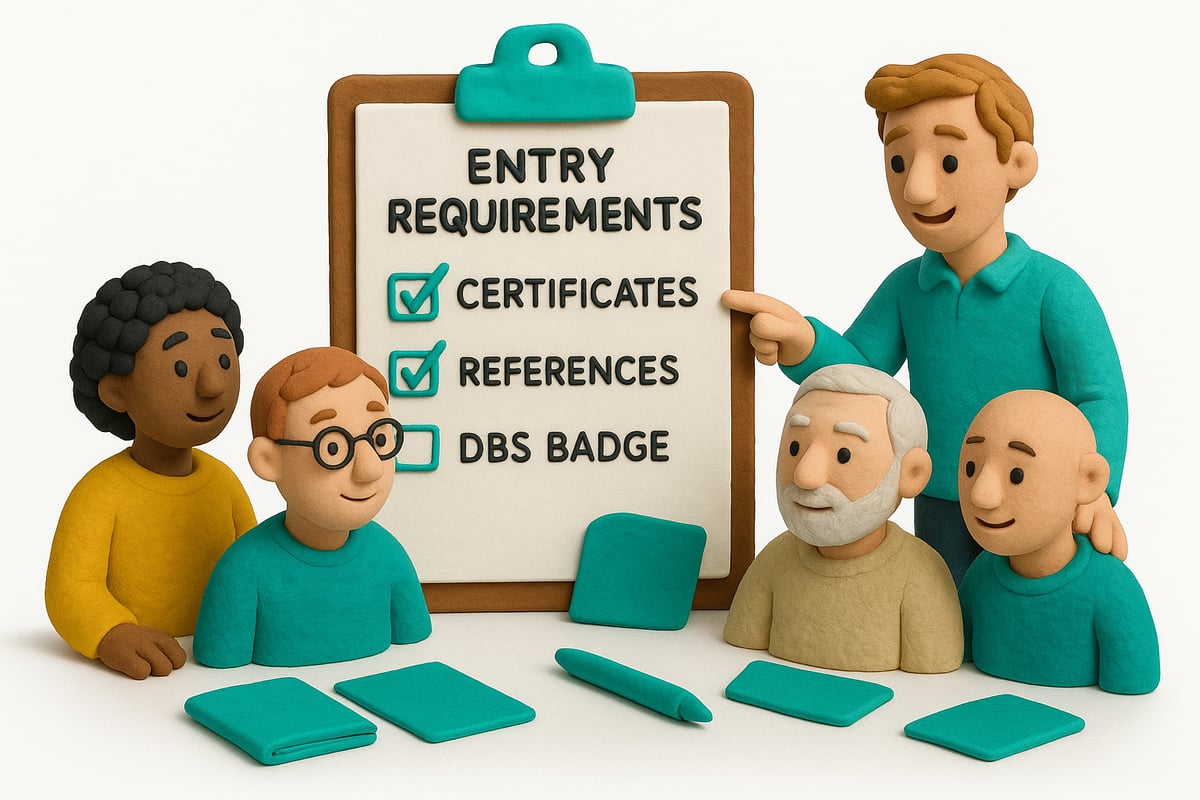
To enrol on an adult teaching course, you will need to meet specific prerequisites set by your provider. Most courses require you to be at least 19 years old. Prior qualifications, such as GCSEs or A Levels, are often requested, though relevant work experience can sometimes be considered as an alternative.
A Disclosure and Barring Service (DBS) check is essential for safeguarding, ensuring you are eligible to work with adults in educational settings. You may also need to complete basic safeguarding training before starting your adult teaching course.
Proficiency in English and maths is important. Providers usually expect a minimum GCSE grade or equivalent in both subjects. If you do not meet these, some offer bridging or functional skills options as part of the application process.
Entry standards can vary, so always check with your chosen institution. For further details on specific entry requirements and how to enrol, consult the Entry Requirements and Enrolment Information page. This resource outlines the essential criteria for your adult teaching course.
Building a Strong Application
A compelling application is your opportunity to stand out. Begin with a personal statement that clearly explains your motivation for joining an adult teaching course. Highlight relevant skills, such as communication and organisation, and describe any experience—paid or voluntary—that demonstrates your suitability for teaching adults.
Collect strong references from employers or colleagues who can vouch for your abilities. Documenting previous work or voluntary roles in education, training, or community settings will strengthen your adult teaching course application.
Demonstrating digital skills is increasingly important, given the shift towards blended and online learning. Providers value applicants who show adaptability and an eagerness to engage with new technologies.
Consider this example: A successful candidate for an adult teaching course described their experience mentoring colleagues in a workplace setting, emphasising adaptability and a commitment to lifelong learning. Use specific examples to illustrate your strengths.
Preparing for Interviews and Assessments
Most adult teaching course providers include an interview or assessment stage. Interviews may be conducted in person or online and often involve questions about your motivation, understanding of adult education, and previous experience.
You might also be asked to deliver a short micro-teaching session. This practical task allows you to demonstrate your planning, communication, and classroom management skills in a real or simulated environment.
Common interview questions include:
- Why do you want to teach adults?
- How would you manage a diverse classroom?
- What strategies would you use to support learners with different needs?
Providers are looking for candidates who are reflective, adaptable, and genuinely committed to supporting adult learners. Prepare sample scenarios and practise your responses to ensure you present yourself confidently during this stage.
By understanding the requirements and preparing thoroughly, you will maximise your chances of successfully enrolling on your chosen adult teaching course.
What to Expect: Course Content, Structure, and Assessment
Embarking on an adult teaching course in 2026 is an exciting step towards a fulfilling career. Understanding what lies ahead in terms of content, structure, and assessment will help you make informed choices and prepare for success.

Core Modules and Learning Outcomes
Every adult teaching course is designed to equip you with essential knowledge and skills for the classroom. You will typically study core modules such as:
- Principles of teaching and learning
- Lesson planning and curriculum design
- Assessment strategies and feedback
- Inclusive practice and supporting diverse learners
- Digital tools for education
Practical teaching placements are a crucial component. These give you the chance to apply theory in real-life settings, whether in colleges, community centres, or online classrooms. Most programmes offer a balance between theoretical modules and hands-on experience, ensuring you are ready to meet the varied needs of adult learners.
A typical structure might look like this:
| Module | Focus Area | Delivery |
|---|---|---|
| Teaching Theory | Learning models | Seminars |
| Planning & Assessment | Lesson delivery, marking | Workshops |
| Inclusive Practice | Adapting for needs | Online/Face-to-face |
| Digital Literacy | EdTech tools | Online |
By the end of your adult teaching course, you will have developed confidence in lesson delivery, classroom management, and reflective practice. These outcomes are valued across the sector and open doors to a range of teaching roles.
Modes of Study and Learning Support
Adult teaching course providers recognise that learners have varied commitments and learning styles. You can choose from full-time, part-time, evening, or weekend study options. Many institutions also offer online and blended learning, allowing you to balance study with work and family life.
Learning is delivered through a mix of lectures, interactive workshops, online forums, and independent study. Digital learning platforms are increasingly common, supporting collaborative learning and resource sharing. Examples include virtual classrooms, discussion boards, and video tutorials.
Support is a key feature of a quality adult teaching course. Expect regular tutor feedback, opportunities for peer collaboration, and access to study resources. Many providers also run study skills workshops and offer dedicated support for students with additional needs. This flexible, supportive environment helps adult learners thrive regardless of their background.
Assessment Methods and Progression
Assessment in an adult teaching course is designed to reflect real-world teaching practice and academic knowledge. Common methods include:
- Written assignments and reflective journals
- Portfolios of lesson plans and teaching materials
- Observed teaching sessions
- Group projects and presentations
Grading criteria are clear and focus on both your understanding of educational theory and your practical ability to teach adults. Successful completion of assessments is essential for progression.
Many students use their qualification as a springboard to further study or specialisation. You might progress from a Level 3 Award to a Level 5 Diploma or even pursue advanced qualifications such as the NZ Certificate in Adult and Tertiary Teaching (Level 5). Higher-level study can lead to roles in curriculum design, quality assurance, or leadership within adult education.
Pass rates for adult teaching course programmes are generally high, reflecting strong support and practical focus. Most graduates move directly into teaching positions, workplace training, or further study, making this a reliable pathway into a rewarding sector.
Succeeding in Your Adult Teaching Course
Starting your adult teaching course is just the beginning. Success relies on more than passing assessments, it is about developing a professional identity, balancing commitments, and making the most of every opportunity. This section will help you navigate the journey, from building essential skills to maximising your employability.
Essential Skills for Aspiring Adult Educators
To thrive in your adult teaching course, focus on developing a blend of interpersonal and technical skills. Communication is at the heart of effective teaching. You will need to convey complex ideas clearly, adapt your style for different learners, and foster an inclusive environment.
Adaptability is another key trait. Adult learners come with varied backgrounds and expectations, so being flexible will allow you to meet their needs. Empathy helps build trust and rapport, making it easier to support learners through challenges.
Digital literacy is now essential. Many adult teaching courses include blended or online components, so confidence with digital tools will set you apart. Reflective practice is also fundamental. Regularly evaluating your teaching methods and seeking feedback allows for continuous improvement.
Consider the impact your role can have. According to the Adult education impact report, inclusive and effective teaching transforms not only individual lives but also communities. This is a powerful motivator as you progress through your adult teaching course.
Professional development does not stop at enrolment. Engage with workshops, webinars, and peer learning groups to stay current and inspired.
Key Skills Table
| Skill | Why It Matters | How to Develop |
|---|---|---|
| Communication | Engages and supports learners | Practice, feedback, workshops |
| Adaptability | Responds to diverse needs | Take on new challenges |
| Empathy | Builds rapport and trust | Listen actively, reflect |
| Digital Literacy | Enables modern teaching methods | Explore platforms, self-study |
| Reflective Practice | Drives improvement | Keep a teaching journal |
Success in your adult teaching course starts with these core skills.
Balancing Study, Work, and Personal Commitments
Juggling your adult teaching course with other responsibilities can be demanding. Many students combine study with work, family, or caring roles. Effective time management is crucial for maintaining balance and reducing stress.
Start by creating a realistic weekly schedule. Break tasks into manageable chunks and prioritise deadlines. Use digital calendars or planning apps to stay organised and track your progress. Remember, consistency is more important than intensity.
Self-motivation will keep you moving forward, especially during challenging periods. Set achievable goals for each study session and celebrate your progress. When motivation dips, remind yourself why you started this journey and revisit your long-term ambitions in adult education.
Building a support network can make a significant difference. Join study groups, connect with peers on forums, and seek advice from tutors or mentors. These connections provide encouragement, practical tips, and a sense of community throughout your adult teaching course.
Wellbeing should never be overlooked. Many providers offer counselling, mental health support, or flexible learning options. Make use of these services if you need them. If you have additional needs, enquire about learning support early in your course.
Time Management Tips
- Plan ahead using a weekly timetable
- Break larger assignments into smaller tasks
- Set aside dedicated study times
- Use campus or online resources for support
- Maintain a healthy study-life balance
Staying organised and connected increases your chances of success in your adult teaching course.
Maximising Employability and Career Opportunities
Your adult teaching course is a springboard to a rewarding career. Building a strong professional profile while studying will open doors upon graduation. Start by developing a CV and teaching portfolio that highlight your skills, placements, and achievements.
Teaching placements are invaluable. They provide real-world experience and allow you to apply theory in practice. Take every opportunity to network with colleagues, observe best practice, and seek constructive feedback.
Professional networking extends beyond placements. Attend sector events, join relevant associations, and connect with educators online. These activities broaden your understanding of the field and may lead to job opportunities.
Explore the range of career paths available after completing your adult teaching course. Options include further education colleges, workplace training, online education, and community learning. Research graduate destinations and employment rates to inform your choices.
Sample Career Pathways Table
| Sector | Typical Roles | Progression Opportunities |
|---|---|---|
| Further Education Colleges | Lecturer, Tutor | Subject Lead, Manager |
| Workplace Training | Trainer, Assessor | Lead Trainer, Programme Manager |
| Online Education | Virtual Tutor, Content Creator | E-learning Designer, Team Leader |
| Community Learning | Community Educator, Facilitator | Project Coordinator, Outreach Lead |
Maximising your employability during your adult teaching course ensures you are ready to make the most of new opportunities and contribute meaningfully to the sector.
Funding, Support, and Next Steps
Navigating the path to becoming a qualified adult educator requires not just passion but a clear understanding of the practicalities involved. As you plan your journey through an adult teaching course, it's essential to prepare for the financial commitment, access the right support, and know your options after qualifying. This section breaks down what you need to know to make well-informed decisions and set yourself up for success.
Understanding Course Fees and Funding Options
Before enrolling in an adult teaching course, it is crucial to understand the financial landscape. Fees vary based on the level and provider, with some qualifications costing more due to their length or depth. Here's a summary to help you compare:
| Qualification Level | Typical Fees (UK) | Duration |
|---|---|---|
| Level 3 Award | £300–£600 | 2–4 months |
| Level 4 Certificate | £800–£1,500 | 6–12 months |
| Level 5 Diploma | £1,400–£3,000 | 1–2 years |
| University Routes | £6,000+ | 2–3 years |
Funding options are available to help you manage these costs. Advanced Learner Loans may cover eligible Level 3–5 courses, while bursaries and employer sponsorships are worth exploring. Mature students should also consider government schemes and local authority grants. For an expert perspective on funding trends affecting course affordability, see this Adult education funding analysis.
Budgeting is vital. List all expected expenses, including study materials and travel. Many providers offer payment plans or instalments, easing financial pressure as you progress through your adult teaching course.
Accessing Support Services and Resources
Support services play a pivotal role in your success. Most adult teaching course providers offer a range of academic resources, such as:
- Dedicated tutors for subject guidance
- Study skills workshops and resource centres
- Online learning platforms and discussion forums
Pastoral and wellbeing support is equally important. Look for counselling services, mental health support, and childcare options, all designed to help you balance study with personal commitments.
If you have a disability or learning difference, enquire about tailored assistance. Many institutions provide extra time for assessments, assistive technology, or one-to-one support. This level of support ensures every student can thrive in their adult teaching course.
Peer networks, mentoring schemes, and online communities are also valuable. They offer encouragement, advice, and a sense of belonging, especially for those returning to study after a break.
Planning Your Pathway After Qualification
Once you complete your adult teaching course, several important steps follow. Some roles may require you to register with a professional body or complete additional safeguarding training. Begin job searching early, using your course placement experience and portfolio to enhance your CV.
Prepare for interviews by reflecting on your teaching practice and achievements. Joining professional associations can strengthen your network and provide ongoing development opportunities. If you wish to specialise or progress, consider further study or micro-credentials to keep your skills current.
Lifelong learning is at the heart of adult education. Staying informed about sector trends and continuing your own development ensures you remain a confident, adaptable educator, ready to meet the sector's evolving needs.
As you look ahead to a rewarding career in adult teaching, it’s clear that choosing the right path and making informed decisions will set you up for real success. Whether you’re interested in flexible learning, gaining industry-recognised qualifications, or developing vital skills for tomorrow’s classrooms, Summit Institute’s accredited programmes offer a solid foundation. If you’re ready to take the next step and start planning for 2026, now is the perfect time to explore your options and get the support you need to thrive. Get ahead now!