
In 2026, adult study is opening doors to new careers, personal growth, and future-proof skills. Are you ready to take control of your learning journey?
This expert guide will help you understand how adult study works, from flexible learning options to choosing the right qualifications. You will discover why upskilling is vital now, which courses are in demand, and how to balance study with everyday life.
Explore practical strategies, funding options, and the latest trends so you can confidently take your next step. Let’s empower your ambition and unlock your potential together.
Why Adult Study is More Important Than Ever in 2026
The world of work is changing faster than ever. Automation, artificial intelligence, and digital technologies are reshaping industries, making adaptability a core skill for everyone. In this landscape, adult study is no longer a luxury but an essential strategy for staying relevant and competitive.
The Changing Job Market
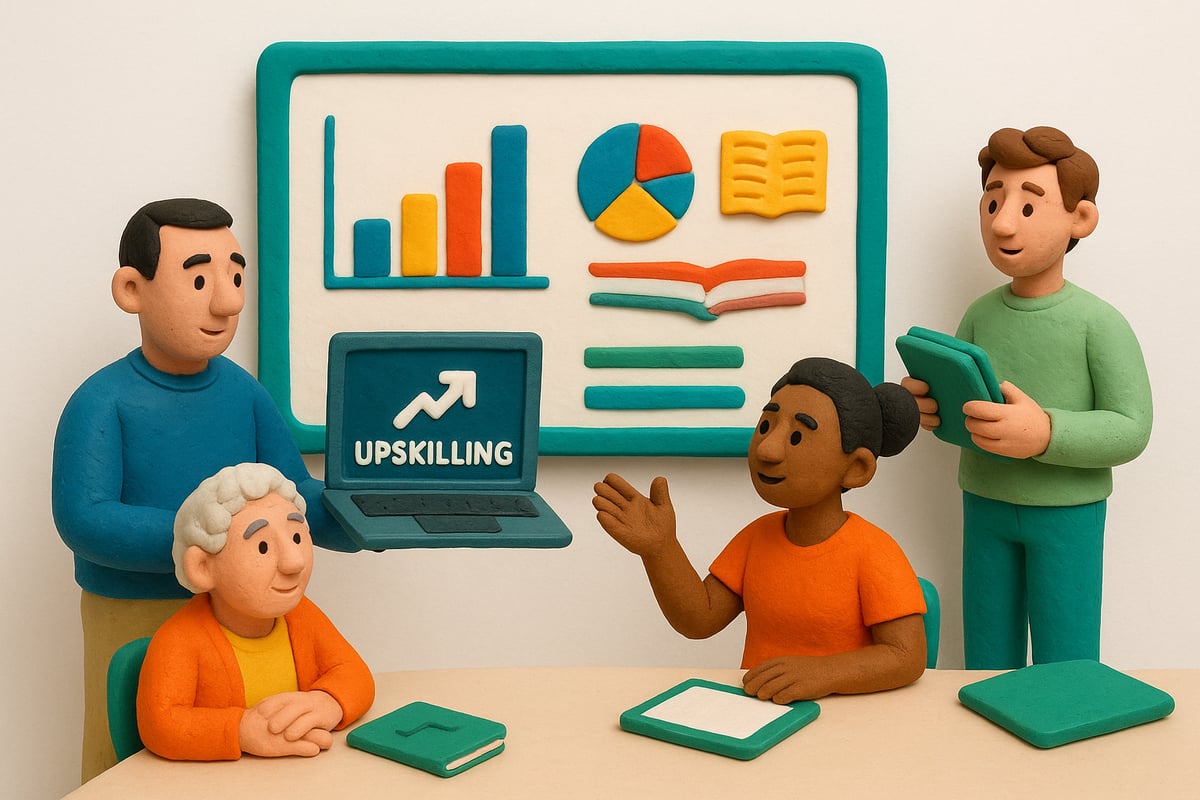
By 2026, the rise of automation and AI has transformed the employment landscape. Roles that once seemed secure are evolving, while new opportunities demand advanced skills. According to the OECD, 60% of jobs now require some form of post-secondary upskilling. This reality makes adult study a critical pathway for individuals seeking to future-proof their careers.
Lifelong Learning as an Economic Necessity
Adult study empowers people to adapt and thrive. Whether you are looking to advance in your current field or pivot to a new one, ongoing education is vital. Platforms offering flexible, industry-focused qualifications have made it easier than ever to engage in lifelong learning. Many turn to resources like the Adult Education and Training Overview to explore pathways tailored to their goals.
Demographic Shifts and Motivations
The face of adult study is changing. More mid-career professionals, parents returning to work, and even retirees are enrolling in courses. Common motivations include:
- Career advancement or transition
- Personal fulfilment and growth
- Keeping pace with industry changes
- Building digital skills for the modern workplace
A compelling example is the story of a 40-year-old marketing manager who, after realising her sector was being transformed by data analytics, completed an adult study programme in technology. Within a year, she transitioned into a sought-after tech role, illustrating the transformative potential of targeted learning.
Societal and Economic Benefits
When more individuals participate in adult study, entire communities benefit. Higher employment rates, increased earning potential, and greater civic engagement are just a few of the positive outcomes. Below is a summary of the broader impact:
| Benefit | Description |
|---|---|
| Employment | Improves job security and adaptability |
| Earning Potential | Opens doors to higher salaries and promotions |
| Community Engagement | Increases participation in local initiatives |
| Economic Growth | Contributes to a more skilled workforce |
Global Efforts and Incentives
Countries worldwide recognise the importance of adult study. Many have introduced incentives such as subsidised courses, flexible learning formats, and employer partnerships to encourage lifelong learning. These efforts reflect a shared understanding that an adaptable, skilled population drives economic resilience.
Overcoming Challenges in 2026
While the benefits are clear, adult study can present challenges. Time constraints, financial pressures, and confidence issues are common. However, solutions are emerging:
- Flexible online and blended learning options
- Grants, scholarships, and employer support
- Peer networks and mentorship programmes
- Accessible digital resources
Institutions and governments are working together to reduce barriers and ensure that adult study is accessible to all.
Conclusion
In 2026, adult study is more than a trend, it is an essential strategy for personal and professional success. With the right support, resources, and motivation, anyone can embrace lifelong learning and thrive in an ever-evolving world.
Choosing the Right Path: Qualifications and Course Selection
Embarking on an adult study journey in 2026 can feel overwhelming, but clear planning makes all the difference. Choosing the right course is about more than just subject matter; it is about aligning your ambitions with the evolving demands of today’s workforce. Whether you are seeking a career shift, advancement, or personal fulfilment, the right approach to course selection will set you up for success.

Understanding Your Goals and Mapping Your Journey
The foundation of any successful adult study experience is a clear understanding of your personal and professional objectives. Before enrolling, take time to reflect on what you want to achieve. Are you aiming to transition industries, climb the career ladder, or simply explore a new passion? Defining your motivations ensures that your adult study efforts are purposeful and rewarding.
Self-assessment tools and career planning resources are invaluable at this stage. Online platforms now offer interactive quizzes, digital skills assessments, and even AI-powered career mapping. These help pinpoint your strengths and areas for growth, making it easier to identify suitable courses.
Consider the following steps when mapping your adult study journey:
- Use career planning websites to visualise your future pathways.
- Talk to industry professionals to understand current trends and skill gaps.
- Align your course choices with high-demand sectors in 2026, such as technology, healthcare, and green jobs.
For example, a mid-career professional might use a digital platform to discover that data analytics is a growing field, prompting them to select a course that matches both their interests and the job market’s needs. This strategic approach to adult study maximises the value of your investment and ensures long-term satisfaction.
Types of Qualifications: Certificates, Diplomas, Degrees, and Micro-Credentials
Navigating the range of qualifications available for adult study in 2026 can be complex. The landscape now includes traditional certificates, diplomas, and degrees, as well as innovative options like micro-credentials. Each qualification type serves different needs, timeframes, and career goals.
| Qualification Type | Duration | Recognition | Flexibility | Ideal For |
|---|---|---|---|---|
| Certificate | 6-12 months | Industry/Local | High | Entry-level upskilling |
| Diploma | 1-2 years | National | Moderate | Career progression |
| Degree | 3+ years | International | Lower | Professional roles |
| Micro-Credential | Weeks-Months | Industry/Global | Very High | Rapid, specific upskilling |
Micro-credentials are especially popular in adult study for their speed and relevance. These short, focused courses address specific industry needs and enable learners to quickly demonstrate new skills. For instance, a teacher might complete a micro-credential in artificial intelligence to integrate new technologies into their curriculum.
Micro-credentials are also driving accessibility and inclusivity in adult study. As explored in Micro-Credentials for Inclusive Learning, these flexible pathways are opening doors for learners who previously faced barriers to education. By comparing the time, cost, and recognition of each qualification, you can select the path best aligned with your goals.
Evaluating Course Providers and Accreditation
Choosing the right provider is a crucial step in your adult study journey. Accredited institutions guarantee that your qualification is recognised by employers and meets national or international standards. Always verify a provider’s credentials before enrolling.
Here are some key criteria to check:
- Is the provider accredited by relevant educational authorities?
- What do online reviews and graduate outcomes indicate about their reputation?
- Do employers recognise the qualification in your target industry?
Beware of red flags, such as unaccredited courses or misleading claims about job placement. Seek out transparent information on course content, assessment methods, and support services. Connecting with alumni or current students can provide valuable insights into the real benefits of your chosen course.
A well-researched decision ensures that your adult study investment leads to genuine career advancement and personal growth.
Flexible Learning in 2026: Modes, Tools, and Innovations
Flexible learning is reshaping adult study in 2026, offering unprecedented adaptability for busy professionals and lifelong learners. With technology driving change, adults can now access education in ways that fit their lives rather than the other way around.

Online, In-Person, and Blended Learning Explained
In 2026, adult study offers a variety of learning modes: online, in-person, and blended formats. Each approach has unique features designed to meet diverse learner needs. Online learning allows adults to access courses from anywhere, making it ideal for those balancing work and family. In-person classes provide direct interaction and structured environments, which some learners prefer for motivation and support.
Blended learning combines the best of both worlds. According to EdTech Magazine, 70% of adult learners now favour hybrid models for their flexibility and engagement. Here’s a quick comparison:
| Mode | Flexibility | Interaction | Accessibility |
|---|---|---|---|
| Online | High | Moderate | Excellent |
| In-person | Low | High | Limited |
| Blended | Very High | High | Excellent |
For example, a working parent might choose asynchronous online study, attending recorded lectures after the children are asleep. This adaptability is a cornerstone of adult study today. For those interested in exploring their options, Flexible Study Options at Summit Institute provides a comprehensive overview of modern study formats tailored to adults.
Technology’s Role: AI, VR, and Adaptive Learning Platforms
Technological innovation is at the heart of adult study in 2026. Artificial intelligence personalises learning journeys, adapting content and assessments to individual progress. This ensures each learner receives targeted support, maximising efficiency and comprehension.
Virtual and augmented reality are transforming practical skills training. VR simulations allow adult learners to practise complex procedures, from healthcare to engineering, in a safe and immersive environment. Tradespeople can refine technical skills through interactive scenarios, reducing the risk of costly mistakes.
Adaptive learning platforms adjust in real time, responding to learners’ strengths and weaknesses. These tools analyse performance data and recommend resources or exercises for improvement. For those pursuing adult study in technical fields, such innovations create a dynamic and responsive educational experience.
Building a Supportive Learning Environment
A robust support network is vital for successful adult study. Peer groups, mentors, and online communities offer encouragement and practical advice. Many institutions now provide forums, virtual study groups, and dedicated support services to help adults stay on track.
Accessibility remains a key concern. Addressing the digital divide is essential, with providers ensuring platforms are user-friendly and resources are available to all. Adult study often brings together learners from around the world, forming global cohorts who share experiences and strategies.
For example, international students connect via online platforms, forming study partnerships that cross time zones and cultures. This sense of community fosters motivation and resilience, helping adults overcome challenges and achieve their educational goals.
Funding Your Adult Study: Grants, Loans, and Employer Support
Securing funding is often the first hurdle for anyone considering adult study. With the evolving demands of the workforce in 2026, more funding streams are available, yet navigating them can seem daunting. Understanding your options is essential for turning your adult study ambitions into reality.
Types of Funding Available
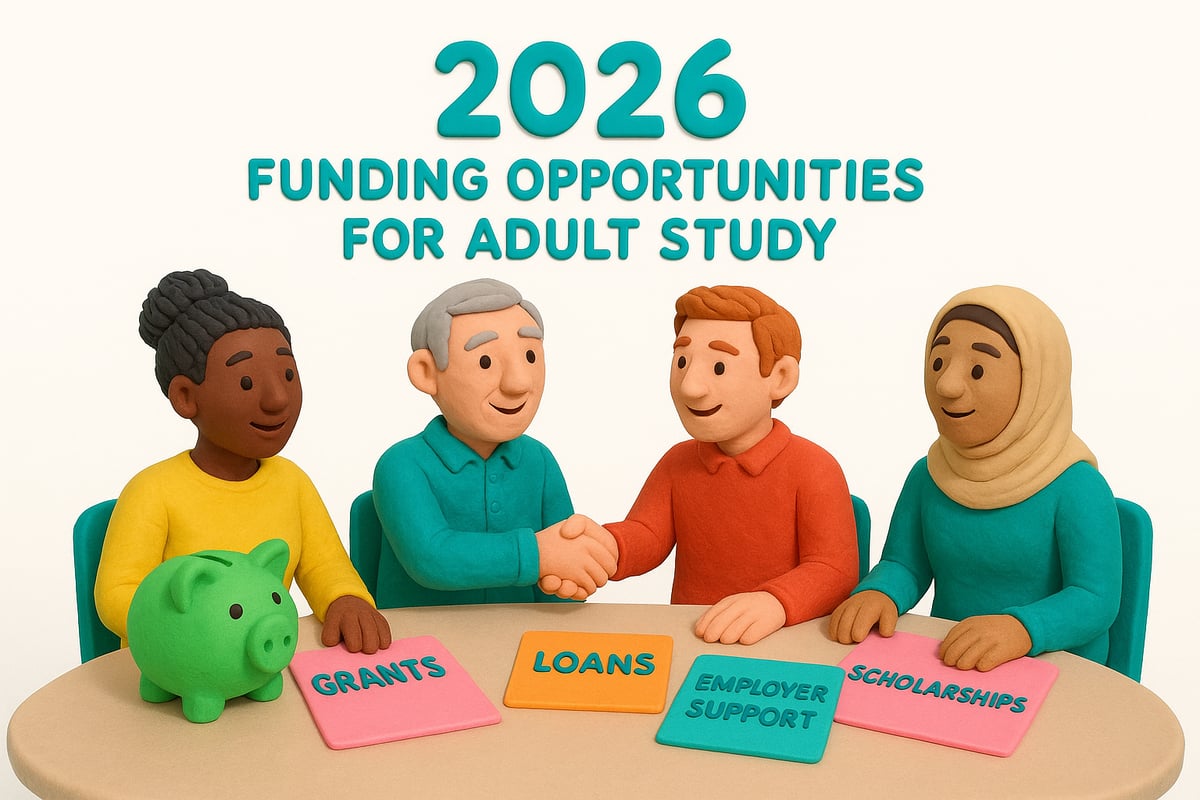
Government grants, scholarships, and student loans remain the main pillars of support for adult study. Each comes with its own eligibility criteria, repayment terms, and benefits. In 2026, around 45% of adult learners receive some form of financial aid, according to UNESCO, reflecting the growing accessibility for those returning to education.
| Funding Type | Repayment Required | Typical Eligibility | Key Benefit |
|---|---|---|---|
| Grants | No | Income, field of study, demographics | No repayment needed |
| Scholarships | No | Merit, need, background | Recognition, prestige |
| Student Loans | Yes | Enrolment in accredited programme | Deferred payments |
It is important to research deadlines and prepare supporting documents early, as competition can be high for these funding streams. Many institutions offer guidance to help adult study applicants navigate the process.
Employer Support and Tax Incentives
Employer sponsorship is increasingly common, especially as businesses invest in the upskilling of their workforce. Many employers now cover tuition fees or offer paid study leave, recognising the value of adult study for both employee growth and organisational success. For instance, some companies fully fund qualifications such as the New Zealand Certificate in Adult and Tertiary Teaching, enabling staff to gain practical skills while working.
Tax incentives further lighten the financial load in some regions. Adult learners may be eligible for tax deductions or credits on tuition fees and study-related expenses. It is advisable to consult local regulations or speak with a tax advisor to maximise these benefits.
Smart Financial Planning and Alternatives
Effective budgeting is crucial for adult study. Consider tuition, materials, travel, and hidden costs like childcare or technology upgrades. Creating a detailed budget will help you avoid surprises and stay on track.
Application processes can vary, so start early and gather all required documents in advance. Explore alternative funding options such as crowdfunding or income share agreements, which are gaining traction among adult learners seeking flexible ways to finance their education.
By understanding the full range of funding options and planning carefully, you can make adult study a practical and sustainable investment in your future.
Balancing Study, Work, and Life: Strategies for Success
Juggling the demands of adult study, career, and personal life can be challenging, but the right strategies make success possible. As the landscape of adult study evolves in 2026, learners are harnessing new tools and approaches to create balance and achieve their ambitions.
Time Management and Productivity Tools
Effective time management is the cornerstone of adult study success. Today, digital calendars and productivity apps like Trello, Google Calendar, and Notion offer adult learners the flexibility to plan around work and family.
Try structuring your week with time-blocking, allocating specific hours for study, work, and personal commitments. The Pomodoro Technique, which breaks study into focused intervals with short breaks, boosts concentration and reduces fatigue.
Popular productivity tools for adult study:
- Trello for tracking tasks and deadlines
- Google Calendar for scheduling study sessions
- Forest app for minimising digital distractions
Consider the story of a shift worker balancing family responsibilities and part-time learning. By setting clear priorities, using reminders, and sticking to a routine, they manage to progress steadily in their Business Administration and Technology Certificate. This approach empowers many to overcome the time crunch that often comes with adult study.
Maintaining Motivation and Wellbeing
Staying motivated is vital for adult study, especially when life’s pressures mount. Start by setting realistic short-term and long-term goals. Celebrate small achievements to maintain momentum and keep your vision clear.
Burnout is a genuine risk when juggling multiple roles. Practise mindfulness with simple breathing exercises, and integrate regular breaks into your schedule. Self-care routines—such as exercise, healthy eating, and sufficient sleep—help sustain energy and focus.
Tips for maintaining wellbeing:
- Join peer accountability groups or online forums
- Schedule regular check-ins with mentors or advisors
- Use apps like Headspace for guided meditation
Peer support is invaluable. Connecting with fellow adult learners, either in person or through virtual communities, can provide encouragement and practical advice. As education trends continue to evolve, collaboration and shared experiences become even more important for success in adult study.
Overcoming Common Barriers to Adult Study
Despite the advantages, adult study can present unique obstacles. Many learners face fears of failure or imposter syndrome, which can hinder progress. Recognising these feelings and seeking support from academic advisors or tutors is essential.
Access to childcare, reliable transport, or digital resources can be significant challenges. Many institutions now offer flexible learning options and support services to address these barriers.
If you encounter difficulties, do not hesitate to ask for help. Universities and colleges provide counselling, tutoring, and dedicated services for adult learners. Remember, persistence and proactive problem-solving are key to making adult study a rewarding journey.
The Future of Adult Study: Trends and Predictions for 2026 and Beyond
The future of adult study is being shaped by a worldwide commitment to lifelong learning. Governments are implementing policies that encourage continuous education for all ages, recognising that upskilling is essential for economic resilience. Employers now expect their teams to update skills regularly, and many are integrating adult study pathways into workforce development plans. As work-based learning and apprenticeships expand, adults can gain practical experience while earning recognised qualifications. This shift is making adult study not just an option, but a necessity for individuals aiming to remain competitive and adaptable in a rapidly changing job market.
Technology and the Evolution of Recognition
Technology is transforming how adult study is delivered and recognised. Artificial intelligence is now personalising curriculum design and assessment, creating tailored learning journeys for each student. Virtual and augmented reality are enabling immersive, hands-on training in fields from healthcare to engineering. Recognition systems are evolving too, with digital badges and blockchain certificates making skills globally portable and verifiable. For a deeper look at how these innovations are shaping education, see Education Trends Shaping 2026. This ongoing evolution ensures that adult study remains relevant and credible for employers worldwide.
The Road Ahead for Adult Study
Looking forward, adult study will be defined by flexibility, digital literacy, and continuous upskilling. Major companies are already requiring employees to complete micro-credentials on a regular basis, embedding learning into the fabric of the workplace. The integration of soft skills, from communication to adaptability, is becoming as important as technical expertise. According to the World Economic Forum, 80% of adults plan to undertake further study within five years, highlighting the growing demand for accessible learning. For anyone considering adult study, the coming years promise greater opportunities, more recognition, and the support needed to thrive in a dynamic world.
As you’ve seen, adult study in 2026 is all about flexibility, practical skills, and real opportunities for growth—whether you’re looking to advance your career, adapt to new technologies, or simply challenge yourself in a fast-changing world. Summit Institute opens doors with nationally recognised qualifications, industry-focused programmes, and flexible learning options designed around your needs. If you’re ready to take the next step and turn your goals into reality, there’s no better time to start. Explore what’s possible for your future—Get ahead now!