In 2026, the landscape of work is shifting faster than ever before. Staying competitive means adapting to change and embracing lifelong learning.
Adult education training has become a cornerstone for anyone seeking career transformation, greater job security, or personal growth. Whether you are looking to upskill, reskill, or explore new fields, understanding your options is vital.
This essential guide will walk you through the latest trends, flexible learning formats, funding opportunities, technology innovations, and actionable steps for selecting the right programme. Ready to take charge of your future? Let us demystify the process so you can make confident, informed decisions.
The Evolving Landscape of Adult Education in 2026
In 2026, the world of adult education training is undergoing rapid transformation. Learners and providers alike are adapting to new demands, technologies, and opportunities. Let us explore the key trends, policy shifts, demographic changes, industry needs, and emerging solutions shaping adult education training today.

Key Trends Shaping Adult Education
Adult education training in 2026 is shaped by several powerful trends. The need for upskilling and reskilling is rising as automation and AI continue to impact the workforce. Lifelong learning has become a standard expectation, with micro-credentials and modular courses offering flexible, targeted skills development. Online and blended formats are expanding, enabling more people to participate regardless of location or schedule.
Personalised learning pathways are now common, helping individuals tailor their adult education training to specific goals. There is also a stronger recognition of non-formal and informal learning, along with a growing focus on inclusivity and accessibility. According to Trends in Adult Learning: New Data from the 2023 Survey of Adult Skills, 68% of adults in OECD countries engaged in some form of learning in 2025, highlighting the global shift towards continuous development.
Policy and Accreditation Developments
Policy makers are responding to the evolving needs of adult education training by updating qualification frameworks on both national and international levels. Enhanced quality assurance standards ensure that providers deliver relevant, high-standard programmes. Recognition of prior learning (RPL) and work-based learning is also gaining momentum, making it easier for adults to build on existing skills.
New Zealand remains a leader in this field, with the NZQA’s 2025 reforms streamlining micro-credential approval and supporting innovation in adult education training. These changes help ensure qualifications are portable, respected by employers, and aligned with workforce needs.
Changing Learner Demographics
The demographic profile of adult education training participants is diversifying rapidly. Older adults and career changers are enrolling in greater numbers, seeking new opportunities or adapting to industry shifts. Culturally diverse populations are well represented, bringing fresh perspectives and needs.
There is now greater gender balance in traditionally male-dominated trades, reflecting broader societal change. Digital natives, comfortable with technology, are driving demand for flexible and tech-enabled options. For example, the UK saw a 35% increase in adult education training enrolment among learners aged 40 and above in 2025.
Industry and Workforce Needs
Industry requirements are a major force shaping adult education training. There is a strong demand for digital, green, and soft skills across all sectors. Employers are working closely with training providers to develop industry-driven curricula that address current and future skills gaps.
Collaboration is key, with many organisations offering work-integrated learning and tailored programmes. In Australia, 75% of employers reported skills gaps in digital literacy in 2025, driving greater investment in adult education training to bridge these divides and ensure a competitive workforce.
Barriers and Opportunities
Despite progress, adult education training faces ongoing barriers. Cost, time constraints, and the digital divide still prevent some adults from participating. However, innovative solutions are emerging. Employer sponsorships, government funding, and community learning hubs help make adult education training more accessible.
Technology is a powerful enabler, offering new ways to overcome these obstacles. Regional upskilling initiatives, for example, have increased participation rates by 20%, showcasing the impact of targeted support and modern delivery methods.
Types of Adult Education Training Programmes
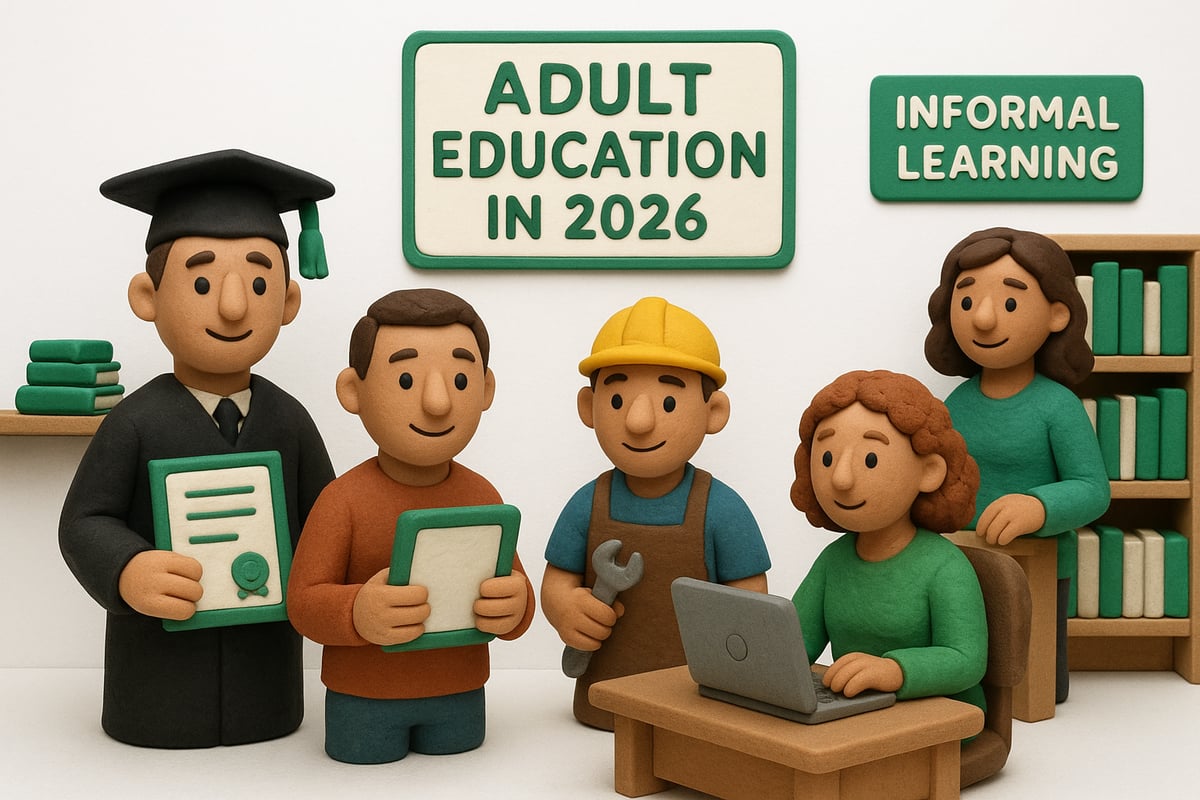
Navigating the world of adult education training in 2026 means exploring a diverse range of pathways. Whether aiming for a formal qualification, upskilling with a short course, or learning in the workplace, understanding your options is key. Let's look at the main types of programmes available to adult learners today.
Formal Qualifications and Diplomas
Formal qualifications remain the gold standard in adult education training. Accredited certificates, diplomas, and degrees are widely recognised by employers and professional bodies. These programmes typically have set entry requirements and structured curricula. For instance, the NZQA Level 5 Diplomas are popular for career advancement, offering a clear progression route. Programmes often run from six months to two years, depending on the level and subject. Many adults choose this path to gain industry-specific knowledge or meet regulatory requirements. Formal qualifications are ideal for those seeking long-term career growth or a complete change of direction.
Micro-Credentials and Short Courses
Micro-credentials and short courses are transforming adult education training by offering targeted, flexible learning opportunities. These programmes focus on specific skills, such as AI in education or digital marketing, that can be completed in weeks rather than years. Micro-credentials are often stackable, allowing learners to build towards larger qualifications over time. Working professionals favour this route for its speed and relevance. According to HolonIQ, there was a 40% global growth in micro-credential enrolments in 2025, emphasising their rising popularity. This approach suits those looking to quickly update or diversify their skill set.
Vocational and Industry-Specific Training
Vocational and industry-specific training is essential for adults seeking practical skills in sectors like trades, healthcare, and finance. These adult education training programmes are closely aligned with industry needs, often developed in partnership with employers. Work-integrated learning, such as apprenticeships or on-site training, is common. Safety and compliance certifications, like rope access or occupational health courses in New Zealand, are frequently required by employers. This type of training supports immediate employability and career progression in specialised fields. Vocational programmes are a practical choice for those aiming to enter or advance in a specific industry.
Online and Blended Learning Options
The rise of online and blended learning has revolutionised adult education training. Flexible formats enable adults to study around work and family commitments. Synchronous courses offer real-time interaction, while asynchronous options allow self-paced progress. Interactive platforms and virtual classrooms create engaging, accessible environments for remote learners. EdTechX reported that 60% of adult learners now prefer blended formats, which combine online and in-person elements. These delivery modes cater to a wide range of learning styles and needs, making education more inclusive and convenient than ever before.
Community, Informal, and Workplace Learning
Community, informal, and workplace learning play a growing role in adult education training. Local education centres, libraries, and community hubs provide accessible entry points for learners of all backgrounds. Workplace upskilling programmes and professional development initiatives are increasingly employer-sponsored, leading to a 15% rise in staff retention rates. Informal learning, such as peer mentoring or self-directed study, is now recognised through formal processes like Recognition of Prior Learning. These pathways support lifelong learning and personal growth, especially for those balancing multiple responsibilities.
For a deeper dive into the range and benefits of these pathways, see the Adult Education and Training Overview.
How to Choose the Right Adult Education Training in 2026
Choosing the right adult education training in 2026 can be the defining factor in achieving your career and personal aspirations. With so many options and evolving formats, making an informed choice is crucial. The following steps will help you navigate your decision and maximise your educational investment.

Assessing Your Goals and Needs
Start by clarifying what you want from adult education training. Are you aiming to advance in your current field, switch careers, or explore a personal passion? Setting clear objectives will help you filter options more effectively.
Take advantage of online self-assessment tools that identify your strengths and skills gaps. These platforms often align your profile with future job market trends, ensuring your chosen adult education training remains relevant. Career counselling services, both in-person and digital, can also provide tailored advice to guide your next steps.
Consider creating a list of priorities, such as industry demand, personal interests, and flexibility requirements. By aligning your ambitions with the right training, you set a strong foundation for long-term success.
Evaluating Accreditation and Quality
Accreditation is a cornerstone of credible adult education training. Ensure your chosen programme is recognised nationally or internationally, for example by the NZQA, to guarantee your qualification holds value in the job market.
Research the reputation and success rates of potential providers. Look for published employment outcomes, student testimonials, and independent reviews. Understanding credit transfer and progression options is also essential, especially if you plan to pursue further study later.
A table can help you compare:
| Provider | Accreditation | Employment Rate | Credit Transfer |
|---|---|---|---|
| Provider A | NZQA | 85% | Yes |
| Provider B | International | 78% | Yes |
| Provider C | None | 60% | No |
Investing in quality ensures your adult education training delivers real returns.
Flexible Learning: Formats and Delivery Modes
Flexibility is a defining feature of adult education training in 2026. Choose between online, in-person, or blended learning to suit your schedule, location, and preferred learning style. Many providers now offer interactive platforms and virtual classrooms, making education more accessible than ever.
Blended delivery often combines the benefits of face-to-face engagement with the convenience of online coursework. When comparing options, consider factors such as live versus recorded sessions, accessibility for learners with disabilities, and available technical support.
For a comprehensive overview, explore Flexible Study Options for Adults to see how different formats can fit your lifestyle and commitments. Selecting the right delivery mode ensures your adult education training is both effective and manageable.
Funding, Scholarships, and Employer Support
Financing your adult education training is a key consideration. Government grants and student loans can ease the financial burden, while many employers now offer sponsorship or tax incentives for staff development.
Scholarships are increasingly available for underrepresented groups, career changers, and those in high-demand fields. Research your eligibility and application deadlines early to maximise your options.
A checklist for funding sources:
- Government grants and loans
- Employer sponsorship
- Industry-specific scholarships
- Community funding initiatives
Securing financial support allows you to focus fully on your adult education training journey.
Support Services and Learner Wellbeing
The right support services can make a significant difference in your adult education training experience. Look for providers that offer academic support, such as tutoring, mentoring, and study skills workshops.
Mental health and wellbeing resources are equally important. Peer networks, both online and in-person, foster a sense of community and shared motivation. Providers with dedicated learner support often report higher completion and satisfaction rates.
Joining study groups or accessing wellbeing resources can boost resilience and help you overcome challenges. Prioritising support ensures your adult education training leads to successful outcomes.
Technology and Innovation in Adult Education
Technology is transforming adult education training in 2026, opening new possibilities for learning, engagement, and achievement. From digital platforms to AI-driven personalisation, innovation is reshaping how adults gain skills, connect with educators, and track their progress.

Digital Platforms and Learning Management Systems
Learning management systems (LMS) are now the backbone of adult education training, providing seamless access to resources, lessons, and assessments. These platforms allow learners to track progress, participate in discussions, and submit work entirely online. LMS platforms often integrate interactive tools, such as quizzes, peer forums, and automated feedback, making learning engaging and responsive.
Providers use LMS to manage large cohorts and personalise learning journeys. In 2025, 90% of adult education providers adopted LMS solutions, demonstrating their central role in the sector. For deeper insight into the integration of technology in adult learning, review the key research findings on making technology work for adult learners.
Artificial Intelligence and Personalised Learning
Artificial intelligence is revolutionising adult education training by adapting content to each learner’s pace and needs. AI analyses learner data to recommend resources, adjust difficulty levels, and provide instant feedback. Virtual tutors and chatbots are increasingly common, offering support outside traditional hours.
Completion rates have improved by 20% in AI-enabled courses, as learners receive targeted assistance and personalised reminders. AI-driven assessment tools identify strengths and gaps, allowing adults to focus on areas for improvement. For a comprehensive analysis of how AI and digital platforms are reshaping lifelong learning, explore Digital Lifelong Learning in the Age of AI: Trends and Insights.
Virtual and Augmented Reality in Skills Training
Virtual and augmented reality have brought immersive, hands-on experiences to adult education training. Learners can practise complex procedures in safe, simulated environments, such as healthcare or construction sites. VR scenarios help build confidence and competence without the risks or costs of real-world setups.
These technologies also reduce travel needs and resource constraints. For example, VR safety training in construction has led to a 30% reduction in workplace accidents. As access to VR hardware grows, more adults can benefit from realistic, interactive skills practice.
Mobile Learning and Microlearning
Mobile technology enables adult education training to fit busy lives. Learners access bite-sized lessons, videos, and quizzes on smartphones or tablets, studying whenever and wherever suits them. Microlearning, delivered in brief modules, keeps engagement high and allows for flexible scheduling.
Gamification, such as earning points or badges for progress, further motivates learners. In 2026, 70% of adults use mobile devices for learning activities. The convenience of mobile learning makes it a vital component of modern adult education.
Data Analytics and Learner Progress Tracking
Data analytics is central to measuring and improving adult education training outcomes. Providers collect real-time data on attendance, assessment scores, and participation. This information helps educators intervene early if a learner is at risk of falling behind.
Predictive analytics identify patterns that signal potential dropout, enabling timely support. Curriculum designers use aggregated data to refine courses and address gaps. As a result, dropout rates have decreased by 15% in programmes using advanced analytics.
Cybersecurity, Privacy, and Digital Literacy
With increased reliance on technology in adult education training, cybersecurity and privacy are crucial. Providers implement secure platforms to protect personal data and ensure safe online interactions. Digital literacy is embedded in many courses, teaching adults to recognise threats and practise responsible online behaviour.
Addressing the digital divide remains a priority, with initiatives to improve access for underserved groups. New EU regulations in 2025 set higher standards for learner data protection, ensuring trust and safety for all participants in digital learning environments.
Maximising Outcomes: Strategies for Adult Learners
Success in adult education training depends on more than just enrolling in a programme. By adopting proven strategies tailored for adult learners, you can achieve your goals and maximise the benefits of your efforts. Explore practical methods below to unlock your full potential.
Setting Realistic Goals and Managing Time
Setting SMART goals is a crucial step for anyone embarking on adult education training. Define objectives that are specific, measurable, achievable, relevant, and time-bound. This clarity helps you track progress and stay motivated.
Balancing work, study, and personal life can be challenging. Use digital calendars and time management apps to schedule study sessions and set reminders. Break tasks into smaller milestones to make them more manageable.
Stay informed about trends shaping learning in 2026. Resources like The 6 Education Trends That Will Shape Learning And Skills In 2026 provide insights to help align your goals with future industry needs. By planning ahead, you can make your adult education training more impactful.
Building Motivation and Self-Discipline
Motivation fuels progress in adult education training, especially when juggling multiple responsibilities. Identify your personal drivers, such as career advancement or personal fulfilment, and remind yourself of these regularly.
To maintain discipline, set up a consistent study routine. Create a dedicated workspace free from distractions to help you focus. Joining peer accountability groups is a proven way to boost commitment, as shared goals often lead to higher completion rates.
Reward yourself for meeting milestones, no matter how small. These positive reinforcements sustain motivation and encourage ongoing engagement with your adult education training journey.
Effective Study Techniques for Adults
Adults learn differently from children, so adapting your study techniques is essential in adult education training. Use active learning methods such as summarising material, teaching others, or applying concepts to real-world scenarios.
Spaced repetition, where you review material at increasing intervals, improves long-term retention. Project-based learning is particularly effective, allowing you to immediately apply new skills in practical contexts.
Experiment with learning strategies like mind mapping or using flashcards. Remember, the goal is to make learning engaging and relevant to your everyday life, enhancing your success in adult education training.
Networking and Professional Development
Building a strong professional network can greatly enhance the value of adult education training. Connect with classmates, tutors, and industry professionals through workshops, webinars, and online platforms.
Engage in group projects or attend conferences to broaden your perspective and gain exposure to industry trends. Networking not only opens doors to new opportunities but also offers support and motivation.
Consider joining online communities or professional associations related to your field. These connections can provide guidance, share resources, and foster collaboration, making your adult education training experience richer and more rewarding.
Leveraging Support Systems and Resources
Accessing available support services is vital for thriving in adult education training. Many providers offer academic guidance, tutoring, and study skills workshops to help you overcome challenges.
Wellbeing resources, including mental health support and mentoring, can make a significant difference in your learning journey. Peer networks and study groups foster a sense of belonging and encourage accountability.
Explore the range of Accredited Adult Education Subjects to find programmes and support tailored to your needs. Utilising these resources increases satisfaction and boosts your chances of successful completion.
Tracking Progress and Celebrating Achievements
Monitoring your development is key to staying motivated in adult education training. Set milestones and review your progress regularly to identify areas for improvement.
Use digital tools or learning platforms to track your achievements. Celebrating completed modules or earning digital badges provides a sense of accomplishment and reinforces positive behaviour.
Share your successes with peers or mentors for added encouragement. Recognising progress, even in small increments, builds confidence and inspires continuous growth throughout your adult education training journey.
As you’ve seen, adult education in 2026 is all about flexibility, recognised qualifications, and staying ahead in a rapidly changing world. Whether you’re looking to upskill for a new industry or deepen your expertise, Summit Institute can guide you every step of the way with accredited pathways, supportive learning environments, and options that fit your lifestyle. If you’re ready to take control of your future and put these insights into action, there’s no better time to start. Get ahead now!