Unlock the secrets to standing out and thriving in an accredited institute as we approach 2026. In today’s fast-changing education landscape, knowing how to excel in an accredited institute is more important than ever.
This guide provides actionable steps, expert insights, and proven strategies designed to drive real results. Whether you are a student aiming for top performance, an educator seeking innovative methods, or an administrator committed to excellence, you will find practical guidance tailored to your needs.
Discover essential topics including accreditation fundamentals, strategic planning, curriculum innovation, technology integration, student support systems, and emerging trends. Let’s equip you with the knowledge and tools to maximise your success and create a future-ready learning environment.
Understanding Accreditation: Foundations for Success
Accreditation is the cornerstone of educational quality, shaping the journey of every accredited institute and its community. For students and educators alike, understanding what accreditation truly means is essential for navigating the evolving landscape of higher education.
What Accreditation Means and Why It Matters
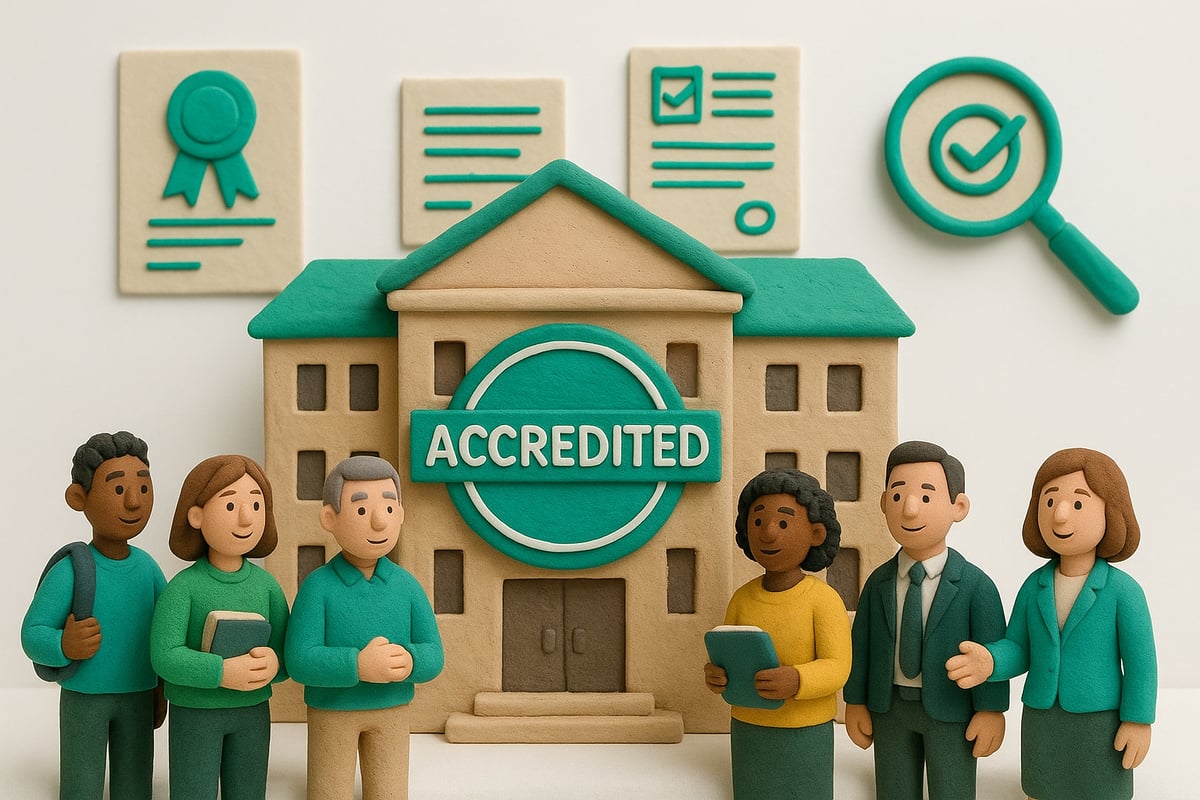
Accreditation is a formal process through which an educational provider is evaluated against established standards to ensure quality and continuous improvement. For an accredited institute, this recognition is not just a badge of honour, but a commitment to maintaining the highest standards in teaching, learning, and student outcomes.
There are key differences between national and international accreditation bodies. National bodies, such as the New Zealand Qualifications Authority (NZQA), focus on aligning programmes with local standards and regulatory requirements. International accreditation bodies often evaluate institutes against global benchmarks, increasing international recognition and mobility.
| Accreditation Body Type | Scope | Example |
|---|---|---|
| National | Country-specific | NZQA (New Zealand) |
| International | Global | AACSB, ABET, EQUIS |
The impact of accreditation extends beyond the classroom. Institutes with recognised status can offer greater student mobility, enhance graduate employability, and strengthen their reputation with employers. In New Zealand, over 90% of employers prefer qualifications from an NZQA-accredited institute (NZQA, 2023). This preference underscores the tangible value of quality assurance.
The accreditation process typically includes self-assessment, external review, and ongoing compliance with evolving standards. For example, NZQA’s standards are globally recognised, supporting both student and institutional aspirations. As regulations evolve, such as with the upcoming NZQA Programme Approval and Accreditation Rules 2026, accredited institutes must stay agile and proactive.
Ultimately, accreditation is more than a one-off achievement. It is a continuous improvement mechanism, pushing every accredited institute to reflect, adapt, and excel in a competitive educational landscape.
Common Challenges in Maintaining Accreditation
While accreditation brings significant benefits, maintaining this status presents unique challenges for every accredited institute. Resource allocation is a major concern, as institutes must dedicate time, funding, and personnel to meet compliance and reporting obligations.
Adapting to evolving standards and regulatory updates requires ongoing vigilance. For example, the 2024 NZQA updates to curriculum structure prompted many institutes to review and revise their programmes to align with new expectations. This process often involves extensive planning and collaboration across departments.
Another key challenge is staff training and professional development. Faculty and administrative teams must stay up to date with the latest regulations, teaching methodologies, and quality assurance practices. This ensures that the accredited institute remains compliant and delivers high-quality education.
Balancing innovation with compliance is an ongoing struggle. Institutes are encouraged to innovate, yet must do so within the framework of established standards. This tension can create uncertainty, particularly when integrating emerging technologies or designing new programmes.
Key challenges include:
- Allocating resources for compliance and quality assurance
- Staying current with regulatory changes and industry trends
- Providing staff training and professional development
- Updating curriculum in response to accreditation requirements
An accredited institute that embraces these challenges as opportunities for growth will be well-positioned to thrive in 2026 and beyond. The path to excellence is ongoing, demanding both strategic foresight and a steadfast commitment to quality.
Strategic Planning for Institute Success in 2026
Strategic planning is the backbone of every thriving accredited institute. To ensure sustainable success in 2026, institutes must adopt a proactive approach that blends vision, analytics, resource optimisation, risk management, and collaborative communication. Let us explore the essential pillars of strategic planning for an accredited institute aiming for excellence.

Setting Clear Vision and Mission
A compelling vision and mission are fundamental for every accredited institute. These statements should not only reflect the core values of the institute but also align directly with accreditation standards and future educational needs. Institutes that articulate a clear direction inspire confidence among staff, students, and stakeholders.
Collaborative planning is vital. Involve students, faculty, and industry partners in shaping strategic goals. This inclusive approach ensures the accredited institute remains relevant and responsive to evolving demands. For instance, leading NZQA-accredited institutes in New Zealand frequently review their vision to reflect changes in the educational landscape, which helps drive continuous improvement and innovation.
Data-Driven Decision Making
Evidence-based strategies are crucial for maximising outcomes in an accredited institute. By leveraging student performance data, satisfaction surveys, and feedback mechanisms, leadership teams can make informed decisions that directly enhance quality and retention.
Modern analytics platforms have revolutionised how institutes track progress and identify areas for growth. Data from sources such as Education Counts: Tertiary Achievement Data 2024 empowers institutes to benchmark performance and set measurable targets. With data-driven planning, institutes can quickly adapt to trends and emerging challenges, ensuring they deliver the best possible student experiences.
Resource Allocation and Infrastructure
Optimal resource allocation is a cornerstone of strategic planning for any accredited institute. Prioritising investments in facilities, digital infrastructure, and faculty development supports both teaching quality and student engagement.
Institutes are adopting innovative funding models to enhance their offerings. Examples include blended learning spaces, state-of-the-art laboratories, and digital resource hubs. By continuously reviewing and adjusting resource distribution, an accredited institute can stay ahead of technological advancements and educational trends, positioning itself as a leader in the sector.
Risk Management and Contingency Planning
Anticipating and mitigating risks is essential for the resilience of an accredited institute. Compliance, financial stability, and reputation must be safeguarded through robust risk management strategies.
Developing crisis response plans, such as for public health emergencies or regulatory changes, equips institutes to respond quickly and effectively. Regular scenario planning and stakeholder training help ensure that the institute can navigate uncertainties without disrupting learning or accreditation status.
Stakeholder Communication and Engagement
Open and transparent communication channels are critical for building trust within an accredited institute. Engaging students, staff, and regulatory bodies through regular updates, feedback sessions, and advisory boards ensures that all voices are heard.
Institutes that maintain strong stakeholder relationships are more agile in responding to feedback and adapting to new accreditation requirements. This collaborative culture not only strengthens institutional reputation but also fosters a sense of shared purpose across the community.
Curriculum Innovation and Industry Alignment
Curriculum innovation is the heartbeat of every accredited institute. In 2026, the path to excellence relies on designing programmes that anticipate industry shifts, foster partnerships, and champion flexible learning. By embedding future-focused skills and regularly updating content, institutes ensure students remain competitive and ready for tomorrow’s workforce.

Designing Future-Ready Programmes
An accredited institute must anticipate the evolving demands of the workforce. This begins with aligning curriculum content to both current and emerging industry trends. For example, integrating artificial intelligence, digital literacy, and sustainability into business and education programmes ensures graduates are equipped for high-demand sectors.
Institutes are increasingly offering micro-credentials and stackable qualifications. These flexible pathways allow students to upskill quickly and adapt to changing job markets. By fostering a culture of continuous improvement, an accredited institute remains agile and responsive to industry needs.
Collaborative Partnerships with Industry
Collaboration with industry partners is central to curriculum relevance. Accredited institutes work directly with employers to co-develop courses, ensuring students acquire practical, job-ready skills. Work-integrated learning opportunities, such as internships and project-based placements, further bridge the gap between classroom theory and workplace application.
Recent data shows that 75% of accredited institutes report higher graduate employability when they partner with industry. For instance, courses like Industry Collaboration in Education demonstrate how real-world input drives innovation and prepares students for roles in fast-growing sectors like AI and technology.
Regular Curriculum Review and Quality Assurance
Quality assurance is a cornerstone for any accredited institute. Regular curriculum reviews, scheduled evaluations, and updates are essential to maintaining high standards. These processes involve both internal assessments and external advisory panels, ensuring content remains relevant and robust.
Engaging industry representatives as external reviewers brings fresh perspectives and ensures alignment with market expectations. This approach supports continuous improvement and helps institutes stay ahead of regulatory and accreditation requirements.
Embedding Soft Skills and Employability
Technical expertise alone is not enough for modern graduates. Accredited institutes embed soft skills such as communication, teamwork, and critical thinking throughout their programmes. These competencies are woven into course objectives, assessments, and co-curricular activities.
Graduate success stories from the technology and business sectors highlight the value of this holistic approach. Employers consistently praise graduates who demonstrate adaptability, leadership, and problem-solving skills developed in an accredited institute environment.
Flexible Learning Modes
The modern accredited institute recognises the need for diverse learning pathways. Flexible delivery modes—on-campus, online, blended, and workplace-based—cater to a wide range of student needs and lifestyles. This adaptability is vital for inclusivity and accessibility.
Institutes investing in digital resource hubs and blended learning spaces enable students to balance study with work and personal commitments. By offering multiple modes of delivery, an accredited institute ensures that quality education is available to all, regardless of their circumstances.
Technology Integration for Enhanced Learning Outcomes
Technology is reshaping what it means to succeed at an accredited institute. By 2026, digital innovation is not just an advantage, but a necessity for delivering high-quality education and measurable student outcomes.
Digital Transformation in Accredited Institutes
The digital transformation within an accredited institute starts with robust learning management systems and a suite of online resources. Institutes are leveraging AI-powered tools for adaptive learning, creating personalised pathways for every student.
According to the EdTechNZ Annual Survey 2023 Findings, investment in educational technology is accelerating, with a focus on platforms that support both student engagement and compliance. These tools are now central to quality assurance and curriculum delivery.
Institutes that prioritise digital transformation consistently outperform peers in student satisfaction and retention. The accredited institute model depends on technology to streamline communication, simplify administration, and enhance the overall learning experience.
Online and Blended Learning Models
Flexible learning is now standard for any accredited institute. Online and hybrid models enable students to participate from anywhere, making education more accessible.
Institutes have developed blended spaces that combine physical classrooms with virtual collaboration tools. This approach supports diverse learning styles and improves participation rates. The shift, especially during 2020–2024, highlighted the value of resilience and adaptability in accredited institute environments.
Benefits of blended learning include:
- Real-time access to resources
- Increased student autonomy
- Seamless integration of theory and practice
However, challenges such as digital equity and effective engagement remain priorities for ongoing improvement.
Data Security and Privacy
With the rise of digital platforms, an accredited institute must ensure rigorous data security. Compliance with privacy regulations is essential to protecting student information and maintaining trust.
Institutes adopt multi-layered security protocols and transparent data management policies. By prioritising privacy, they reinforce their reputation for safety and reliability. Open communication about data use builds confidence among students, staff, and external stakeholders.
Technology for Assessment and Feedback
Assessment in an accredited institute has been transformed by technology. Automated tools provide instant feedback, enabling students to track progress and address gaps proactively.
Recent statistics show 60 percent of students report improved learning experiences with digital assessments (EdTech Impact, 2023). Technology also streamlines grading and supports objective, consistent evaluation.
Features of modern assessment platforms include:
- Real-time analytics
- Customised feedback loops
- Secure online testing environments
These tools drive continuous improvement and help institutions maintain compliance with accreditation standards.
Professional Development in EdTech
A successful accredited institute invests in staff training and ongoing professional development. Educators receive support to master digital pedagogy and integrate new technologies confidently.
Workshops, peer mentoring, and access to industry best practices are critical. This commitment ensures teaching quality remains high, even as technology evolves. Ongoing upskilling prepares staff to lead innovation and deliver exceptional student outcomes.
By embracing technology, every accredited institute is better equipped for a future defined by adaptability, excellence, and student-centred success.
Student Support Systems: Maximising Success
Student support is the cornerstone of every accredited institute. A robust system not only fosters academic achievement but also nurtures personal growth. By investing in comprehensive support mechanisms, an accredited institute ensures that every learner is equipped to thrive in a dynamic educational landscape.
Comprehensive Academic Support Services
Every accredited institute prioritises academic support as a pillar of student success. This includes dedicated tutoring, one-to-one mentoring, and targeted study skills workshops. Peer-led support programmes have become increasingly popular, giving students relatable guidance and a sense of community.
Institutes often provide drop-in sessions, specialist learning advisors, and online resources tailored to diverse study needs. By making these services accessible, an accredited institute empowers students to overcome challenges and build confidence. To see how these programmes are structured, review the NZQA-Accredited Programmes Overview.
Wellbeing and Mental Health Initiatives
Wellbeing is integral to student achievement at any accredited institute. Leading providers now embed mental health support into campus life, offering confidential counselling, stress management workshops, and wellness resources.
Initiatives might include mindfulness sessions, wellbeing clubs, and easily accessible helplines. According to NZQA (2023), institutes with comprehensive wellbeing programmes enjoy 25 percent higher completion rates. These efforts create a safe, supportive environment where every learner can flourish and reach their potential.
Career Guidance and Employability Services
Preparing students for life beyond the classroom is a core mission of any accredited institute. Career services often feature CV and interview workshops, job search support, and employer networking events.
Many institutes collaborate with industry to provide tailored placements and internships. Strong links with employers boost graduate employment rates and ensure that students develop in-demand skills. By supporting career readiness, an accredited institute helps learners transition confidently into the workforce.
Inclusive and Diverse Learning Environments
An accredited institute values diversity and works to create an inclusive culture. Support for students from various backgrounds, abilities, and experiences is central to this mission.
Policies often cover scholarships, adaptive learning technologies, and accessible facilities. Staff receive training on cultural competency and equity. These measures ensure every student feels respected, valued, and able to participate fully in academic life.
Feedback and Continuous Improvement
Continuous improvement is a hallmark of an accredited institute. Regular feedback channels, such as surveys, focus groups, and student advisory boards, give learners a voice in shaping support services.
Institutes review and adapt offerings based on this input, ensuring relevance and effectiveness. This culture of responsiveness means support systems evolve alongside student needs, maintaining a high standard of care.
Summit Institute: A Model for Accredited Success
Summit Institute stands out as a leader among NZQA-accredited providers. Its flexible delivery options include on-campus, online, workplace, and blended learning, catering to a wide range of student needs.

The institute offers nationally recognised qualifications in business, technology, and industry skills, with a strong focus on micro-credentials and emerging fields like AI in education. Industry partnerships ensure graduates are work-ready and safety-focused.
Summit Institute’s commitment to quality is upheld through NZQA accreditation, rigorous continuous improvement, and a student-centred approach. Explore their innovative programmes to see how excellence in support systems drives student success.
Future Trends and Opportunities for Accredited Institutes
Staying ahead in an accredited institute means preparing for rapid change and emerging opportunities. As education evolves, institutes must anticipate new trends, adapt effectively, and leverage innovation to sustain success. Let us explore five key developments shaping the future of every accredited institute.
Embracing Lifelong and Micro-Credential Learning
The future of every accredited institute is rooted in flexible, lifelong learning. As industries change, demand for short courses and stackable micro-credentials grows rapidly. Institutes are responding by offering modular programmes in areas like digital literacy, artificial intelligence, and sustainability.
Learners can now tailor their education to fit career goals, upskilling as needed. This shift empowers professionals to keep pace with evolving job markets, making the accredited institute a hub for ongoing development. By embracing these trends, institutes ensure their qualifications stay relevant and valued.
International Collaboration and Global Recognition
Global connectivity is transforming the accredited institute landscape. More institutes are forming cross-border partnerships, creating pathways for international student exchanges and dual qualifications.
Statistics show a 40 percent rise in international enrolments at accredited institutes, reflecting the power of global collaboration. These partnerships help students gain diverse perspectives and enhance employability worldwide.
Accredited institutes that prioritise international cooperation become magnets for talent, fostering vibrant, multicultural learning environments where everyone benefits from shared expertise.
Sustainability and Social Responsibility
Sustainability is no longer optional for any accredited institute. Today, institutes are embedding environmental and ethical considerations into their curricula and operations.
Green campus initiatives, such as energy-saving technologies and waste reduction, are becoming standard practice. Institutes lead by example, inspiring students to adopt responsible habits and champion social good.
By integrating sustainability into every aspect of learning, accredited institutes prepare graduates to address global challenges and drive positive change in their communities and industries.
Personalised and Adaptive Learning
Personalisation is reshaping how every accredited institute delivers education. With the help of artificial intelligence and analytics, institutes can now create tailored pathways based on each student’s strengths, interests, and learning styles.
Adaptive technologies offer real-time feedback, keeping learners engaged and motivated. This approach improves outcomes and ensures that students in an accredited institute can achieve their full potential, no matter their background or aspirations.
Personalised learning is quickly becoming a hallmark of quality, setting leading institutes apart in a competitive educational landscape.
Policy and Regulatory Developments
As we look to 2026, policy changes will have a significant impact on every accredited institute. Anticipated updates to quality assurance frameworks, such as NZQA’s Integrated Quality Assurance Framework, will require institutes to maintain rigorous standards while fostering innovation.
Keeping pace with new regulations ensures ongoing compliance and enhances the reputation of the accredited institute. Forward-thinking institutes are already preparing for these shifts, investing in staff training and robust internal systems to stay ahead.
Adaptability and proactive planning will be key to thriving amid future regulatory changes.
As we've explored throughout this guide, achieving real success in an accredited institute is about more than just ticking boxes—it’s about embracing innovation, staying agile with industry trends, and putting student growth at the heart of every decision. Whether you’re keen to build future-ready skills, benefit from flexible learning, or tap into nationally recognised qualifications, you don’t have to wait for 2026 to start making meaningful progress. If you’re ready to shape your journey with a trusted NZQA-accredited provider, Get ahead now!